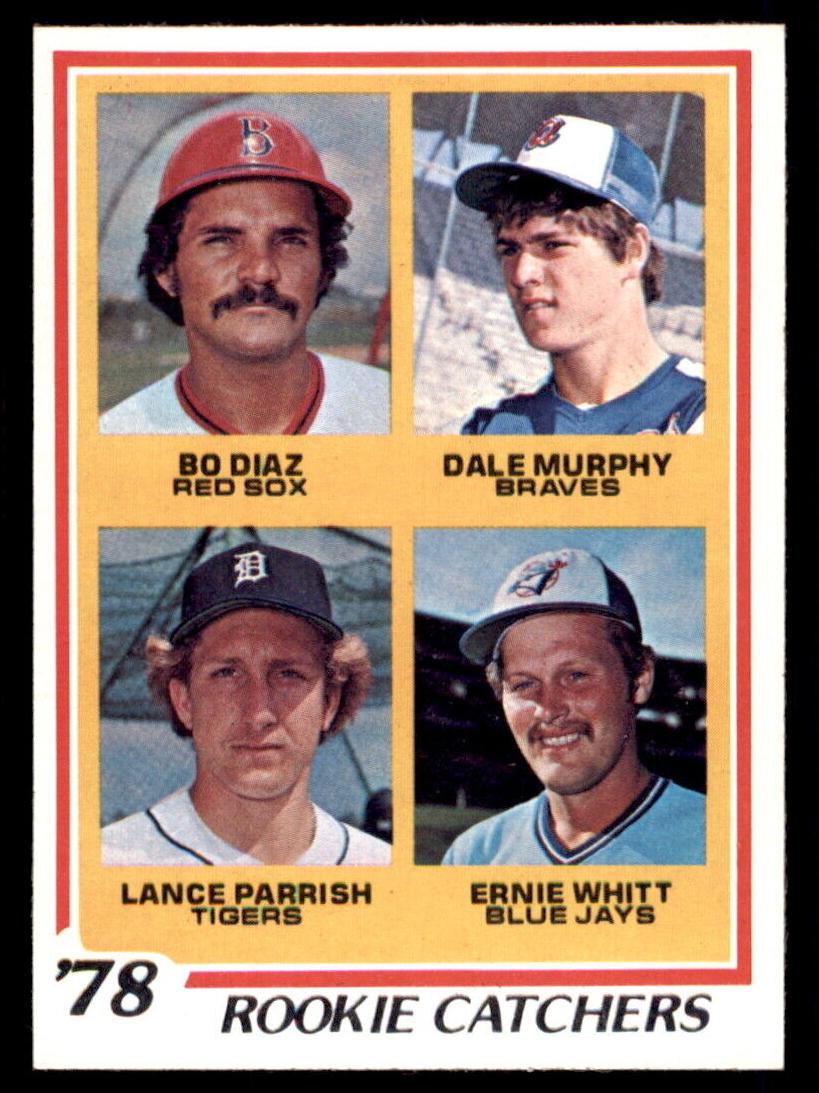
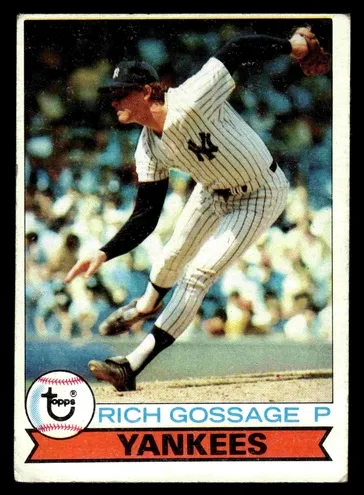
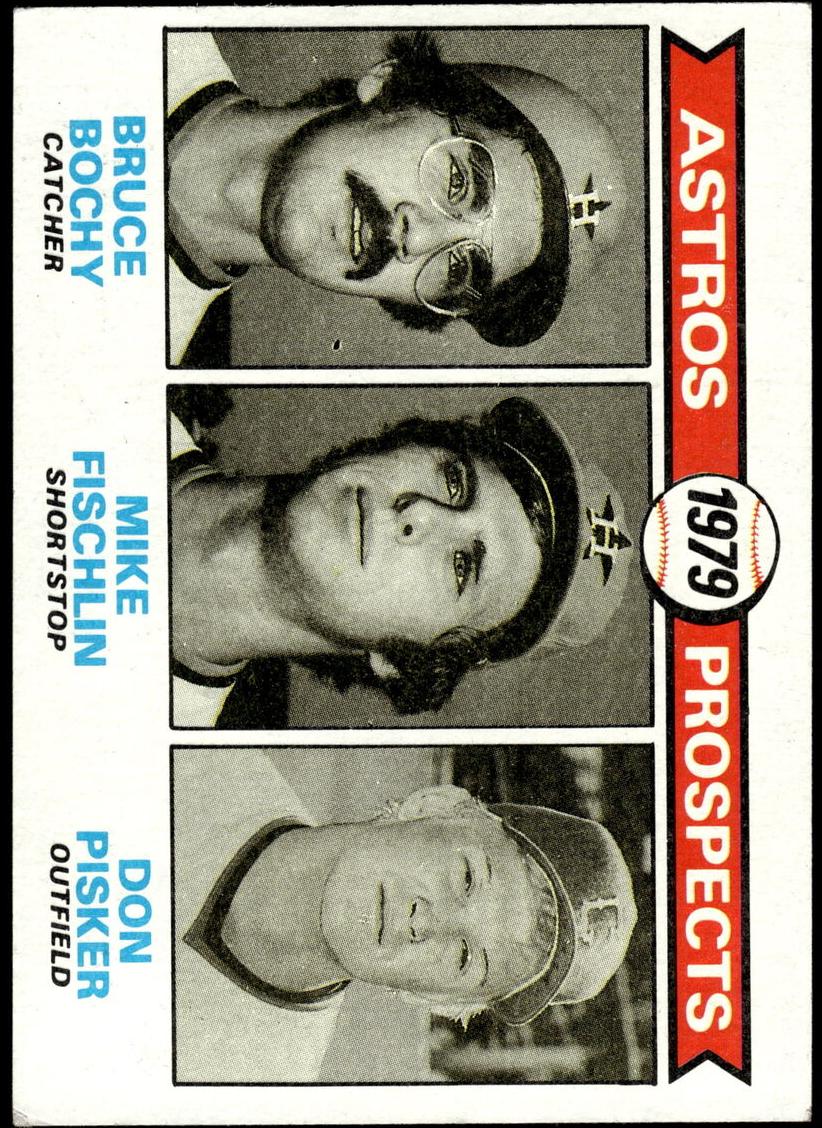
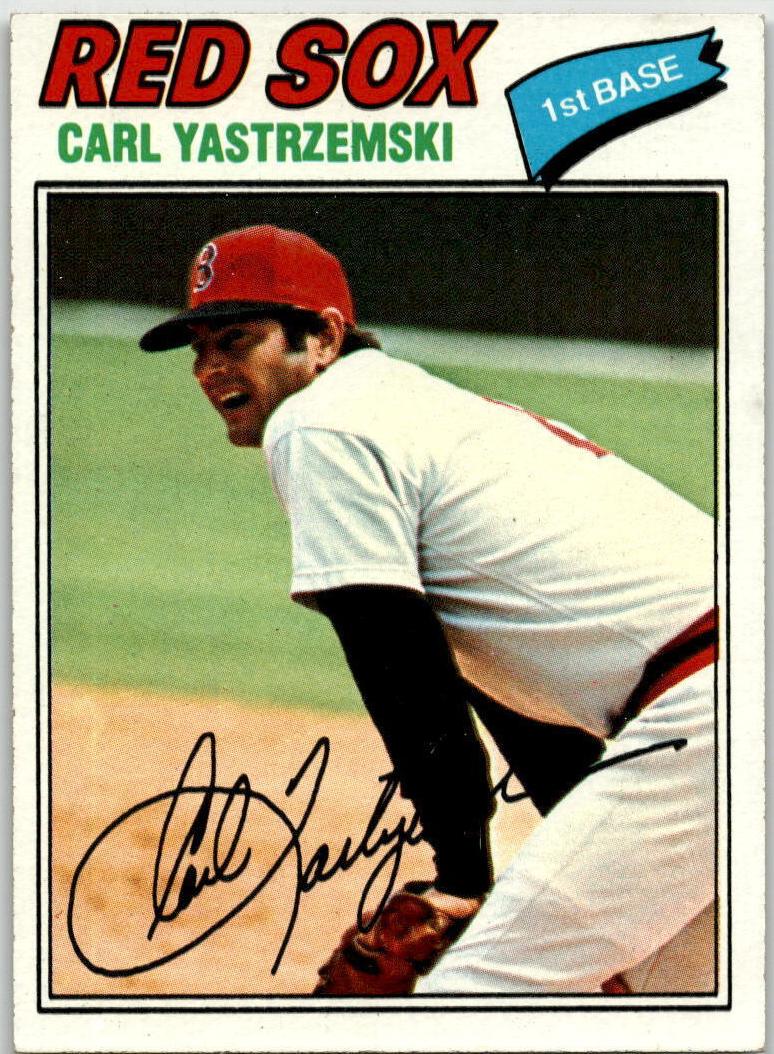
Topps has been the flagship name in baseball cards since 1952, when Sy Berger's design established the modern card. Its annual base set has run uninterrupted ever since — the longest continuous run in the hobby.
Current market values for graded cards from Topps, by grade, from real comparable sales. Track your whole collection — with a 0–1000 protection score and a broker-ready insurance schedule — free.
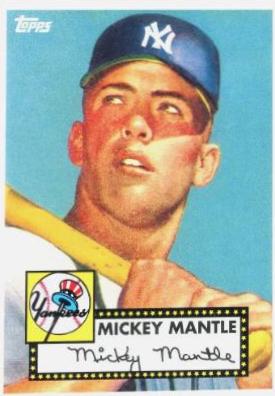
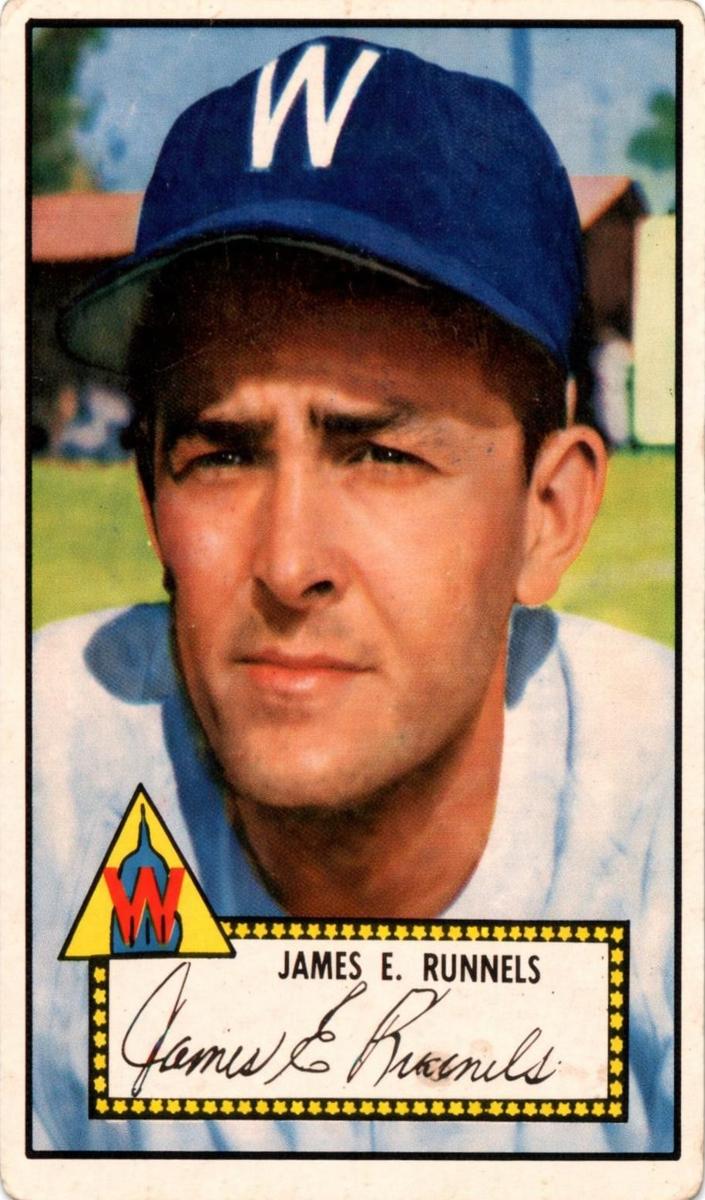
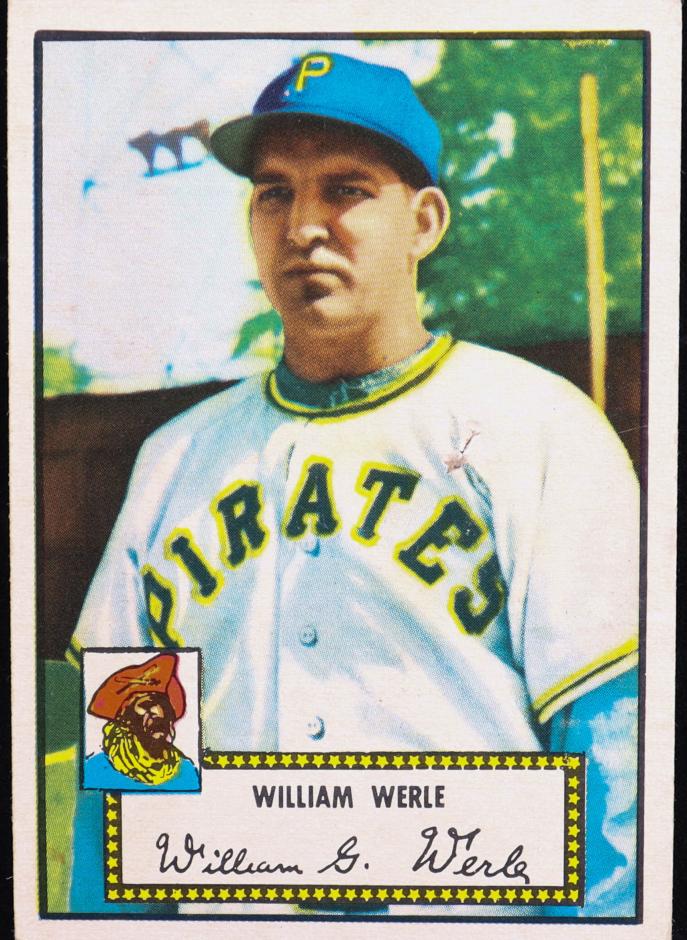
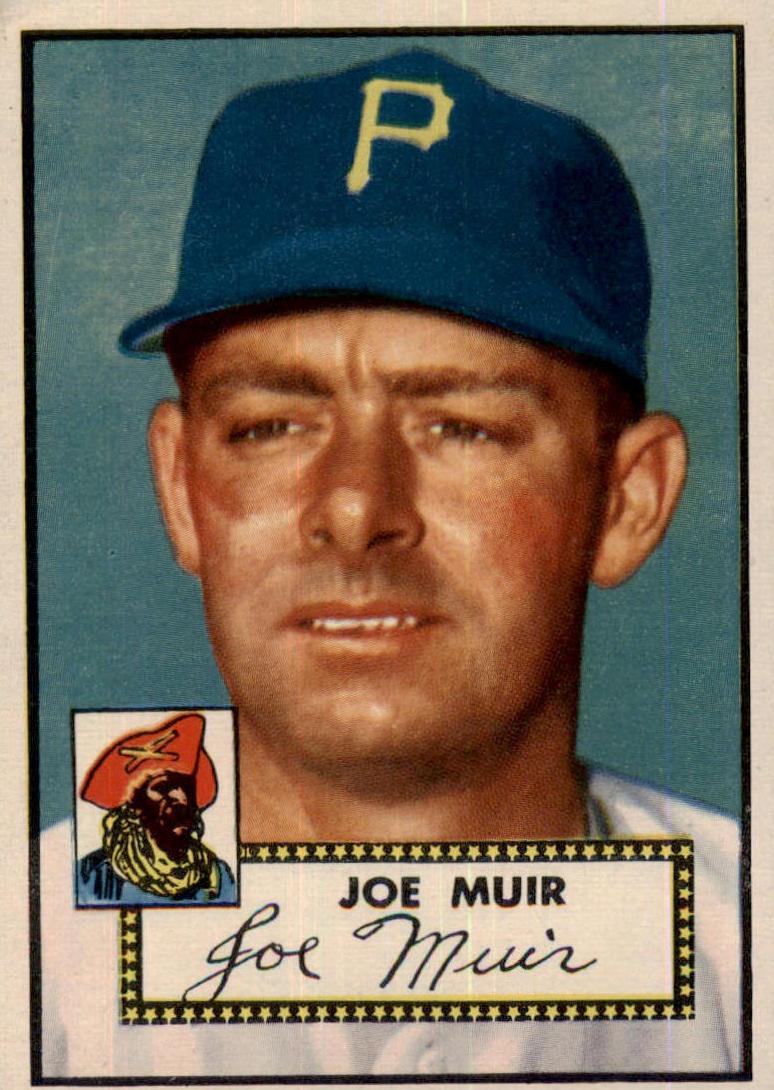
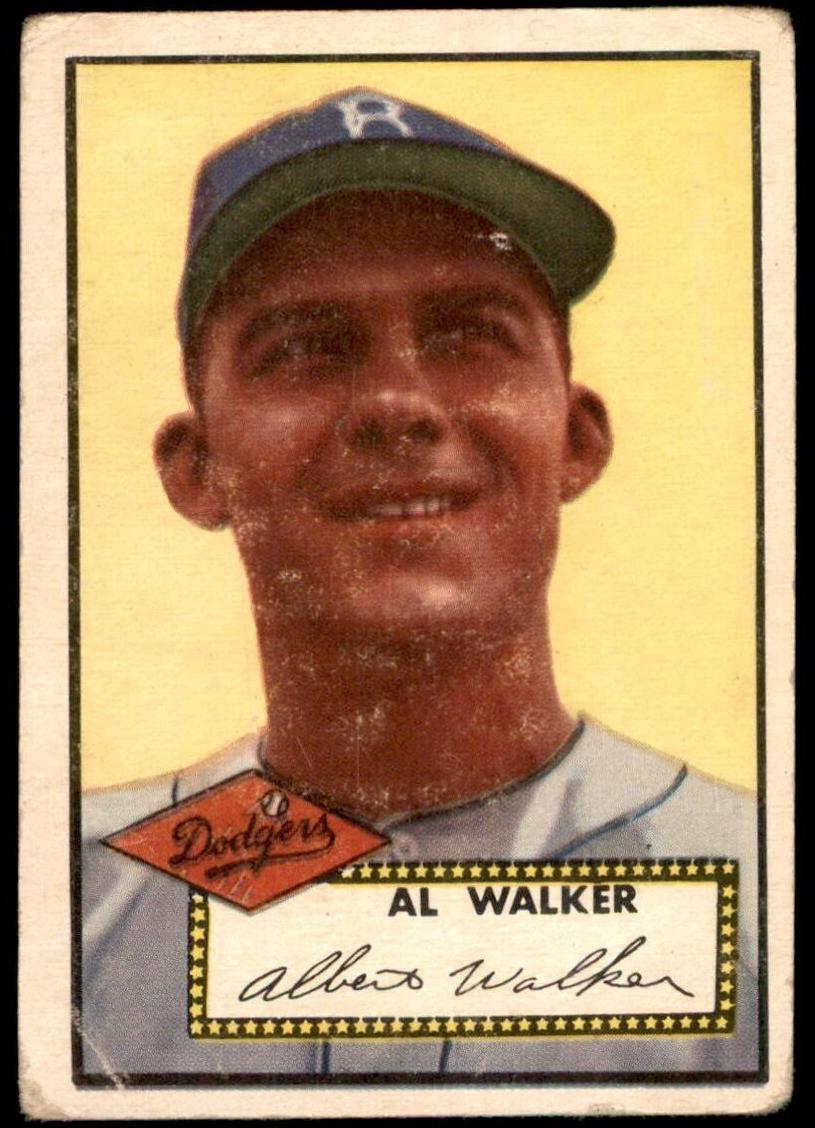
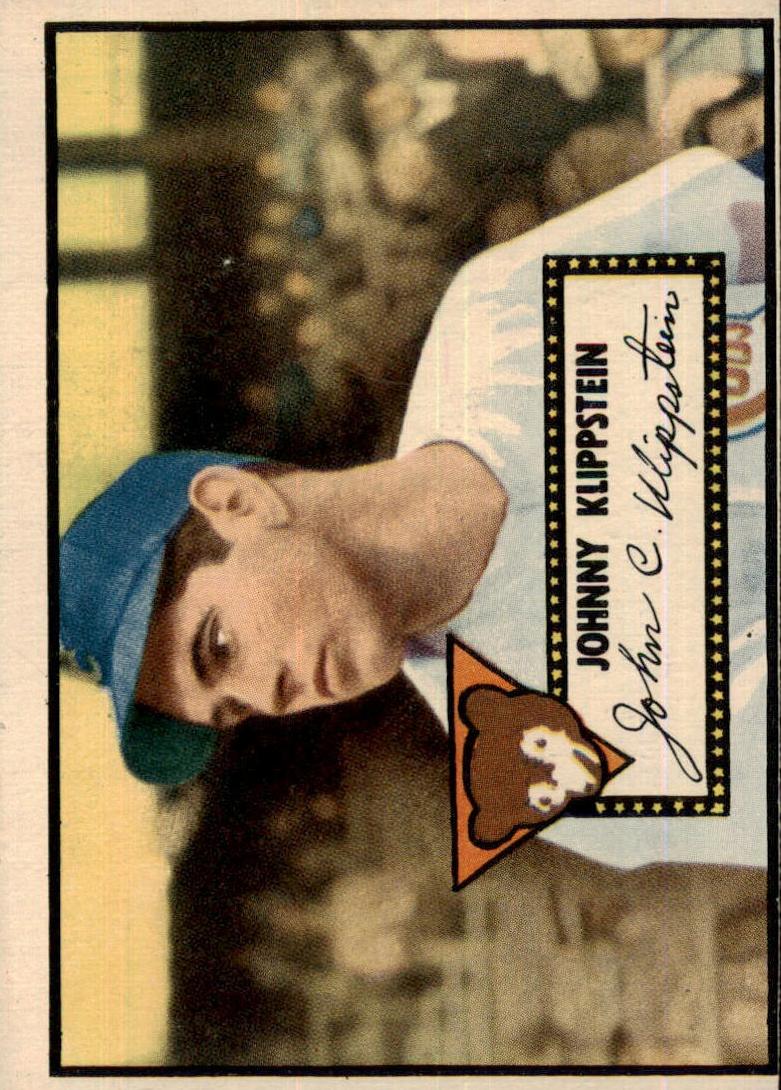
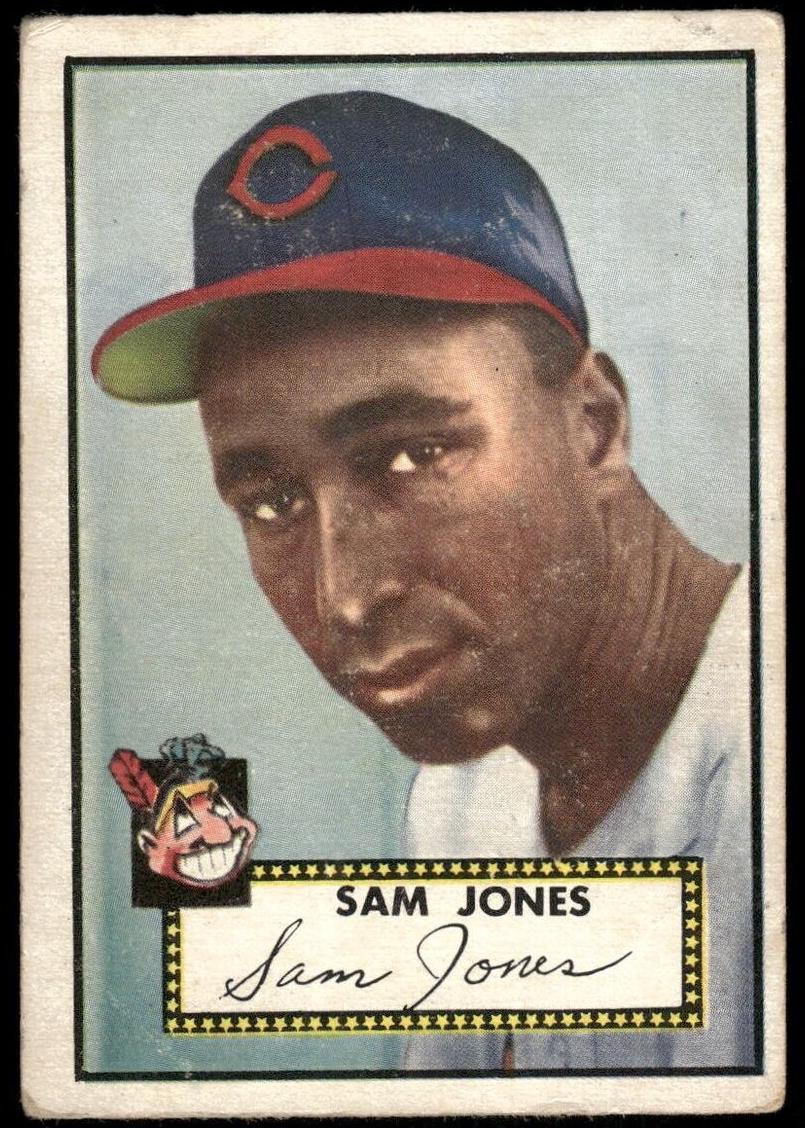
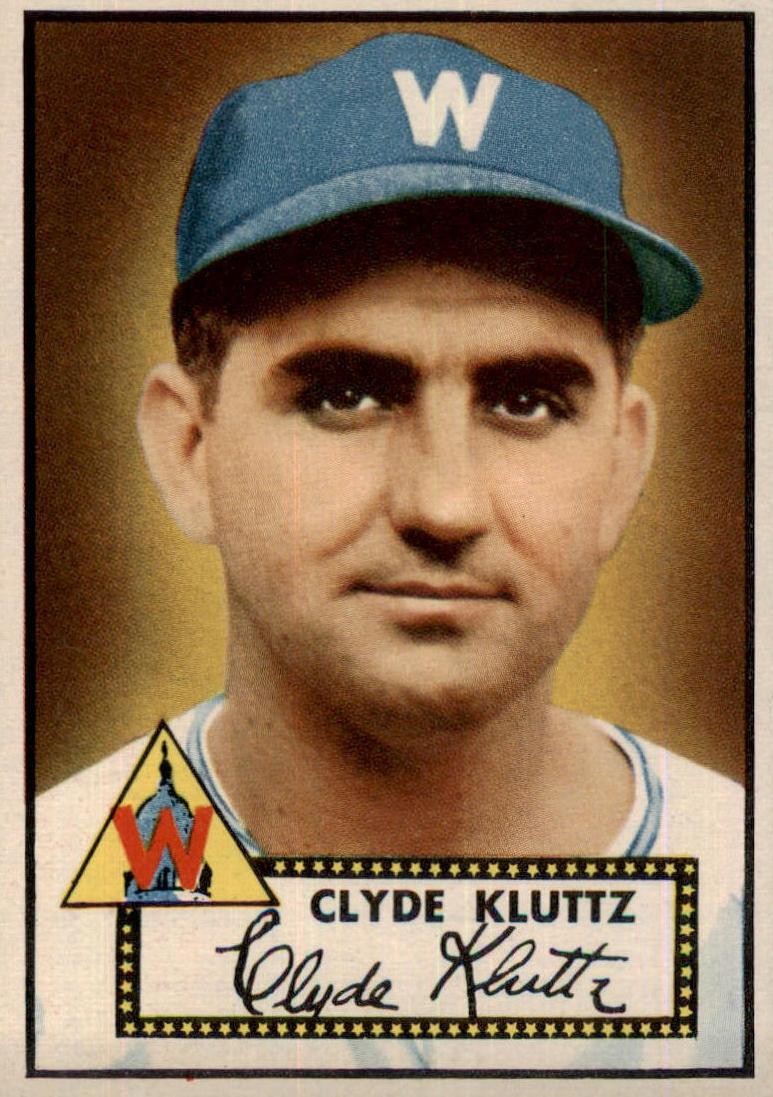
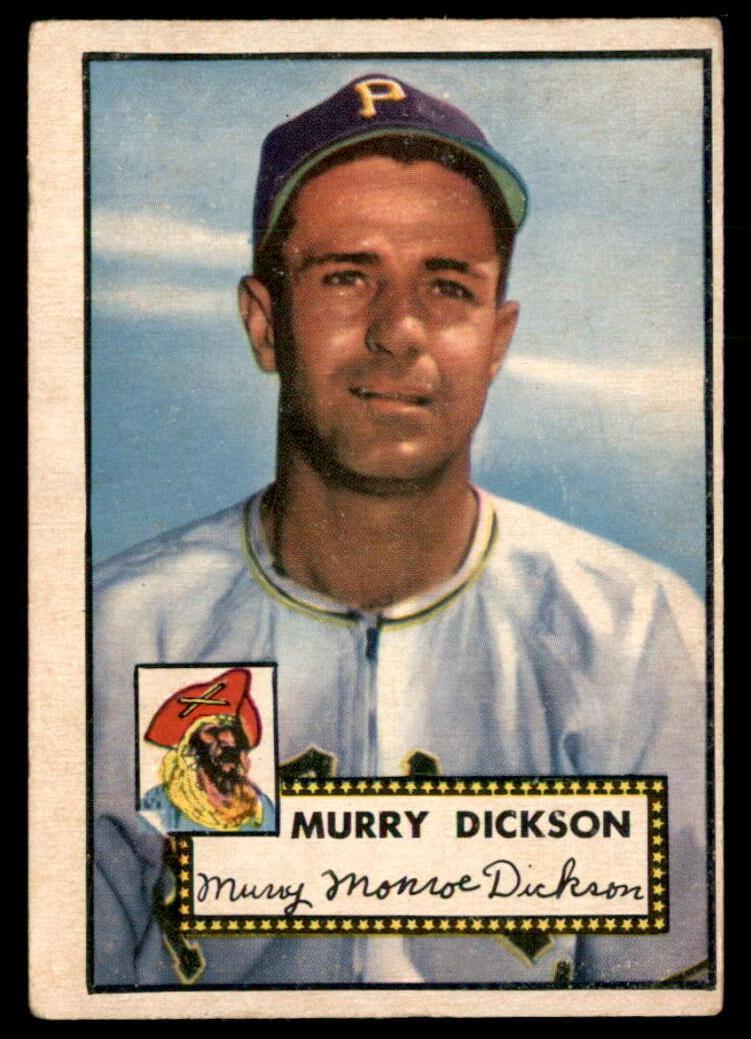
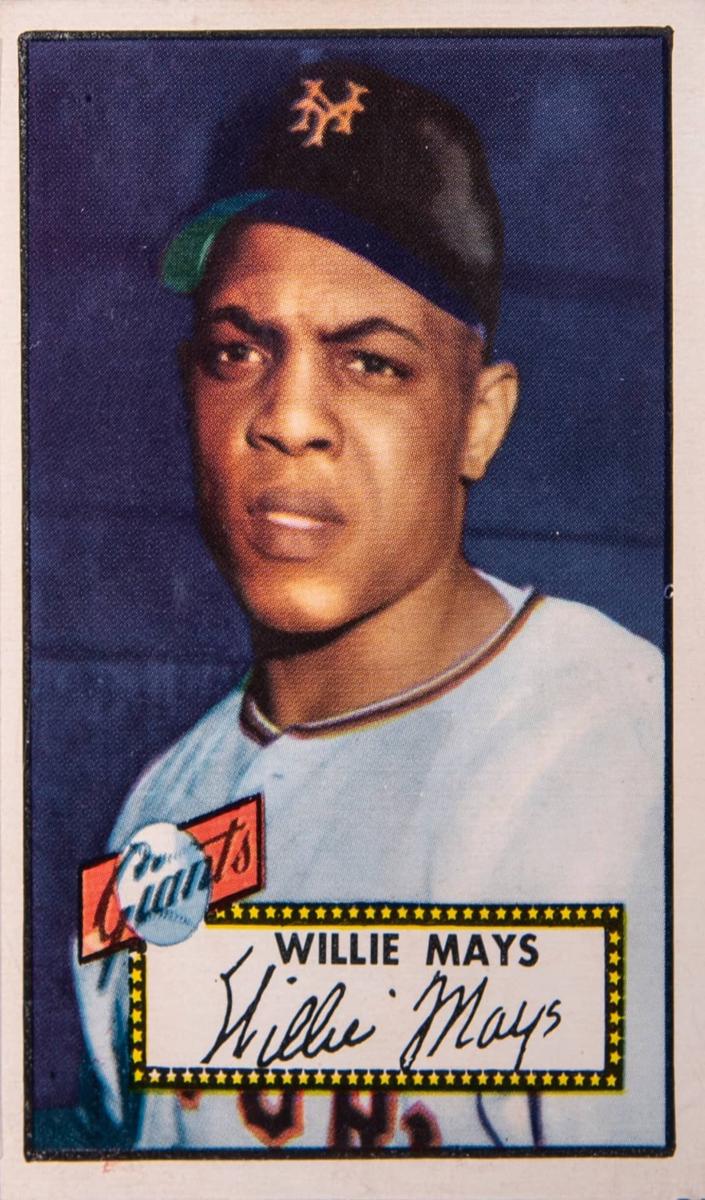
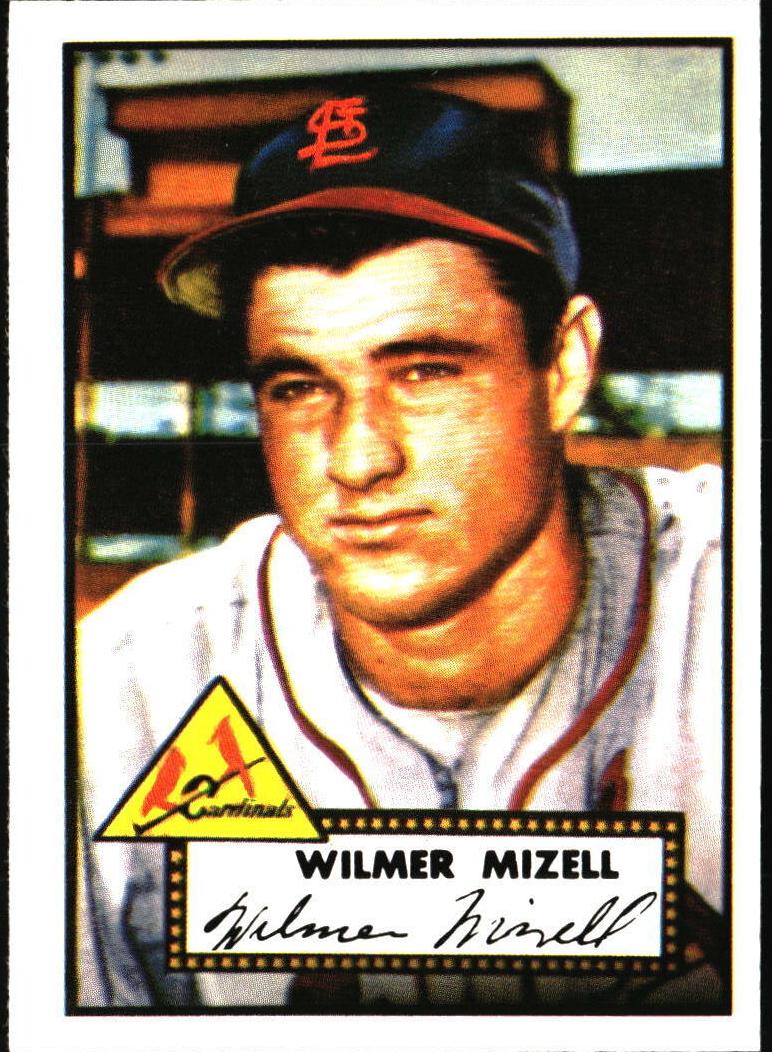
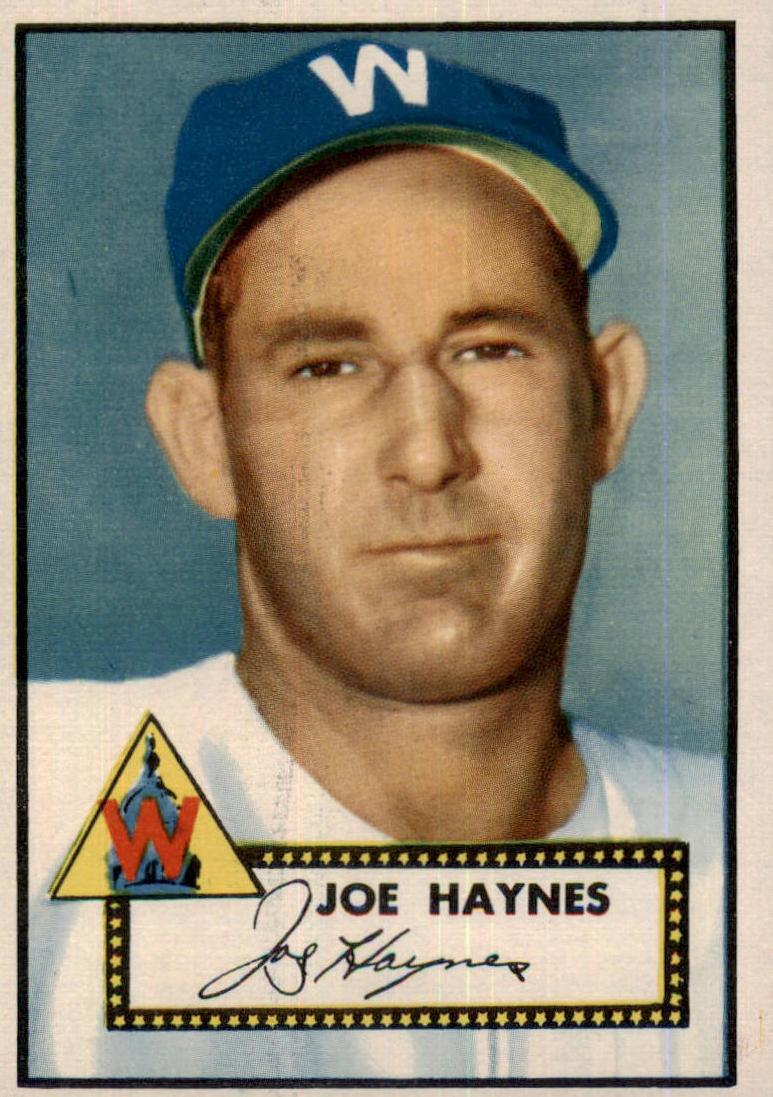
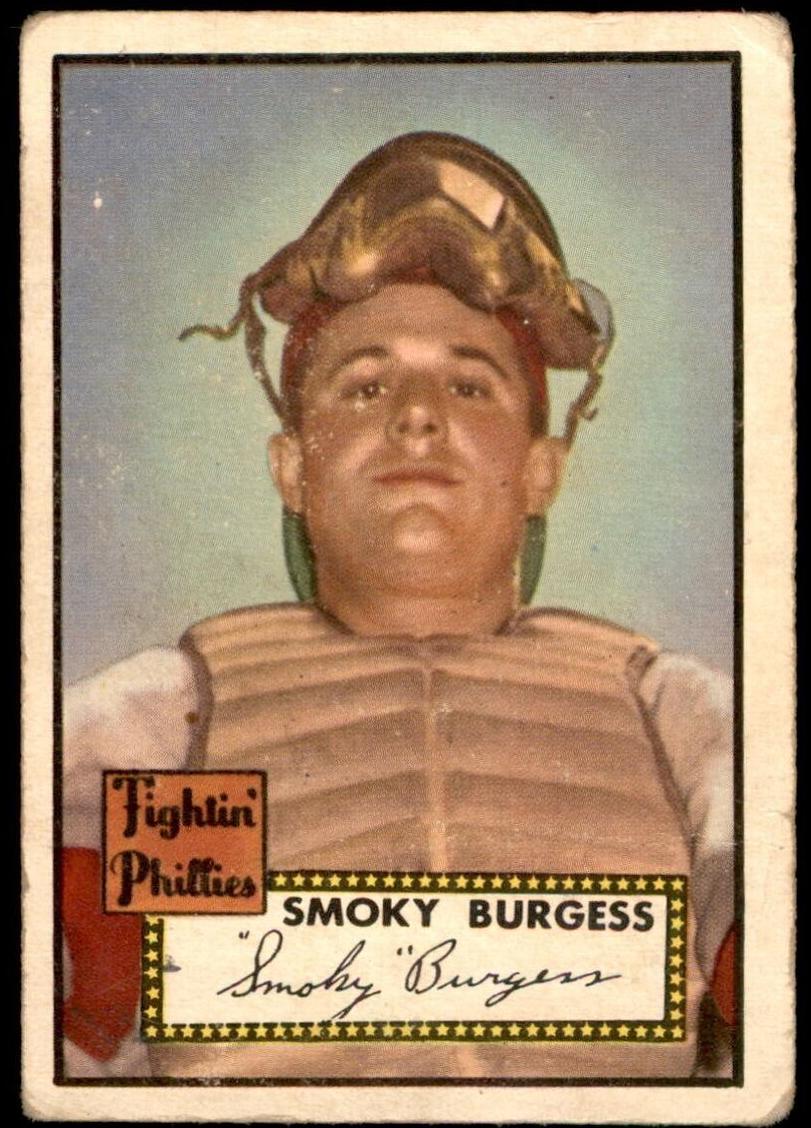
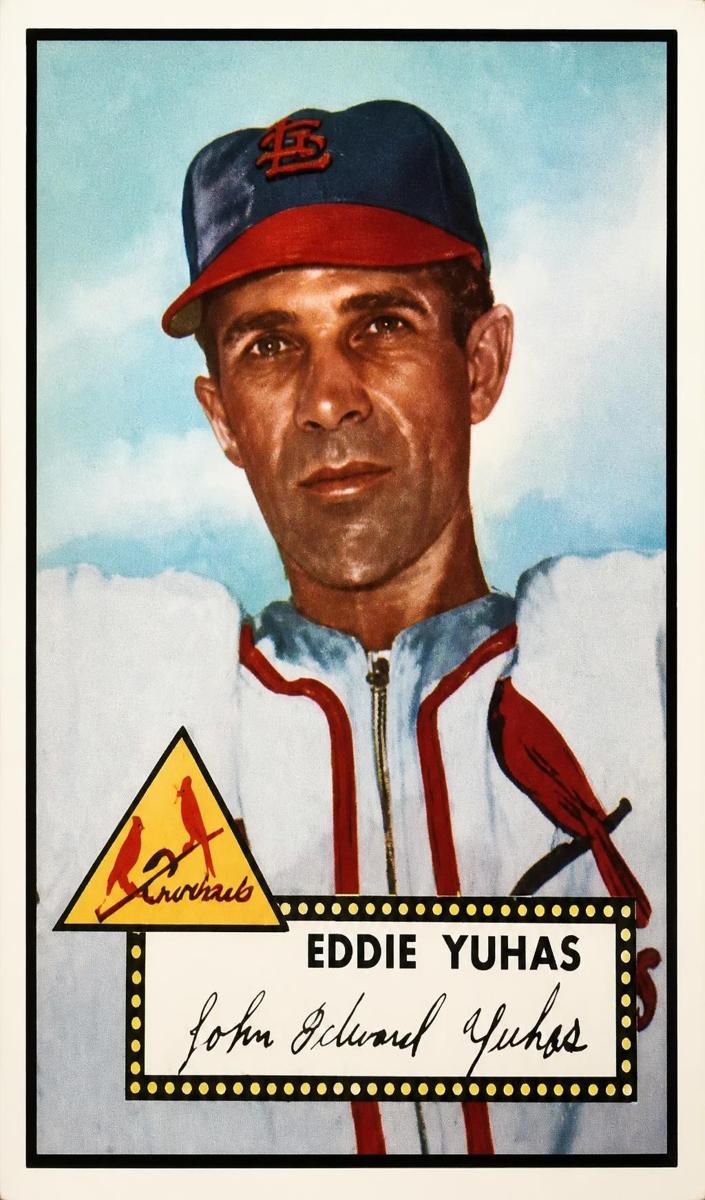
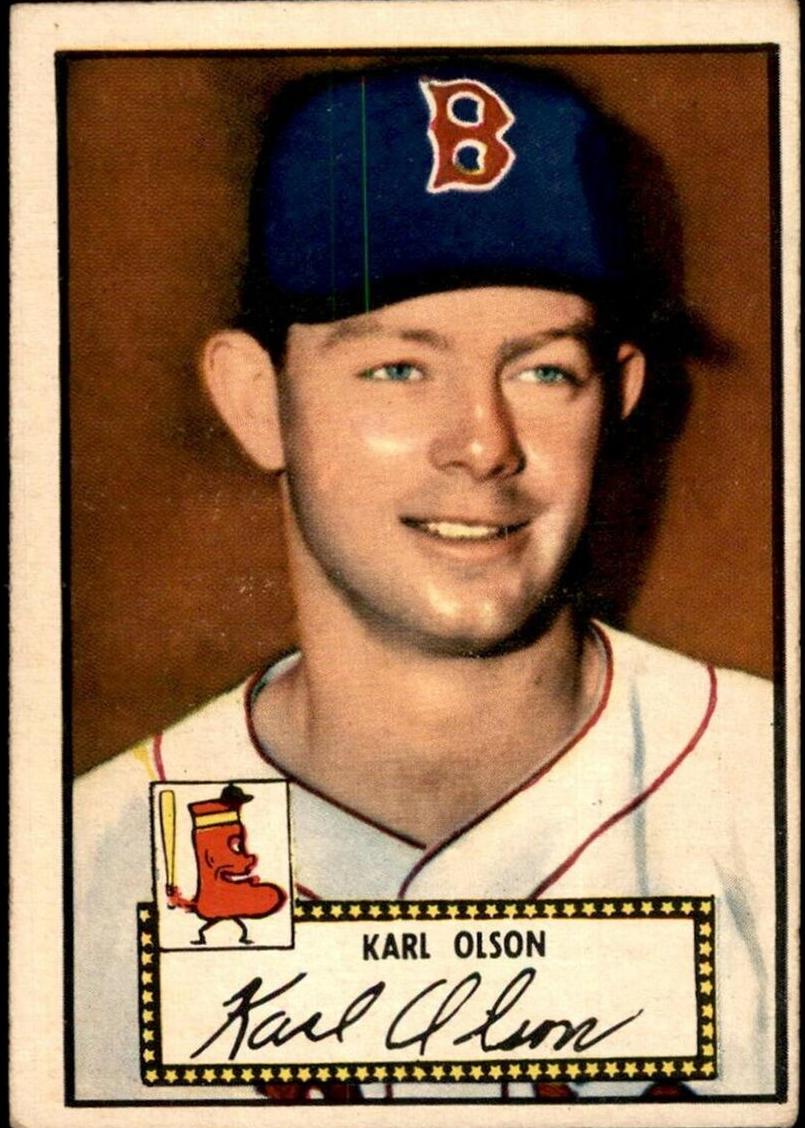
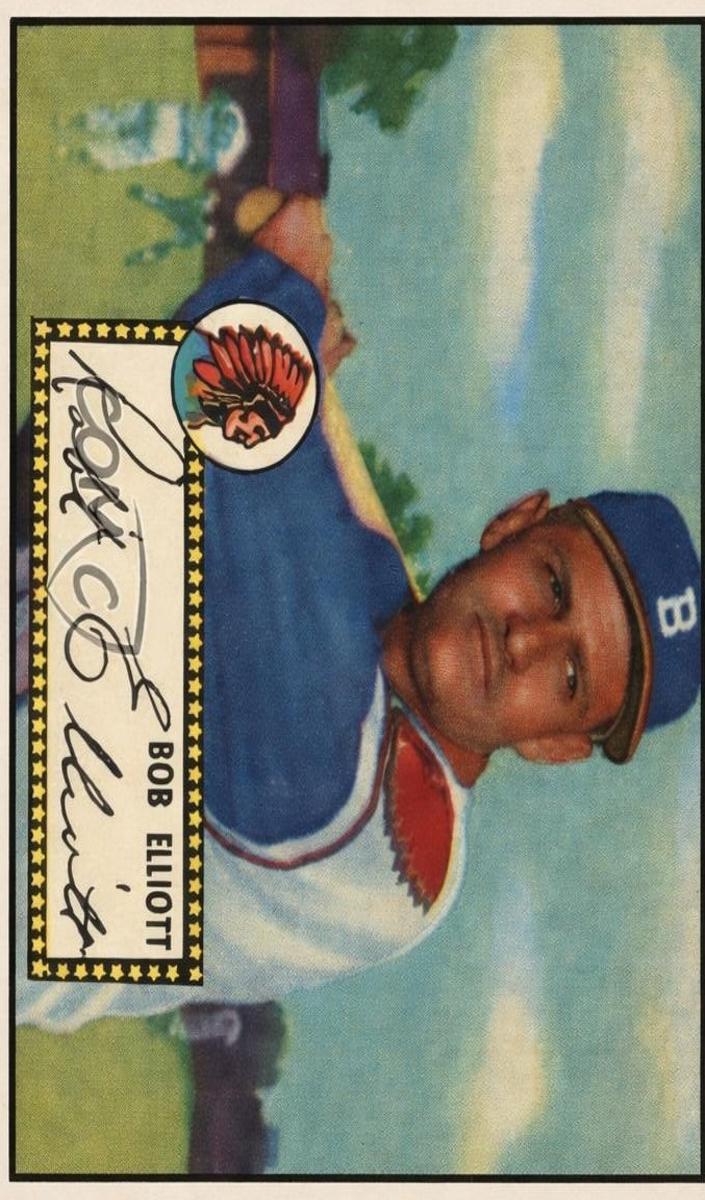
The most important post-war set ever produced: 407 large-format cards designed by Sy Berger that established the template — photo, team logo, biography, statistics — every set since has followed. Card #311, Mickey Mantle's first Topps card, is the defining card of the modern hobby, its high-number series famously scarce after unsold cases were dumped into the Atlantic.
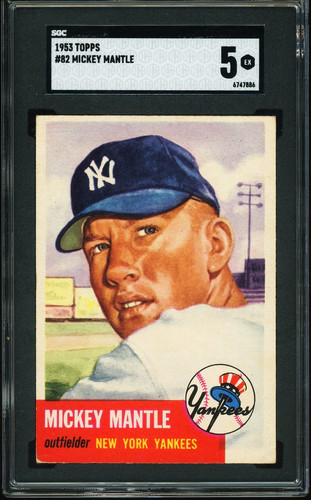
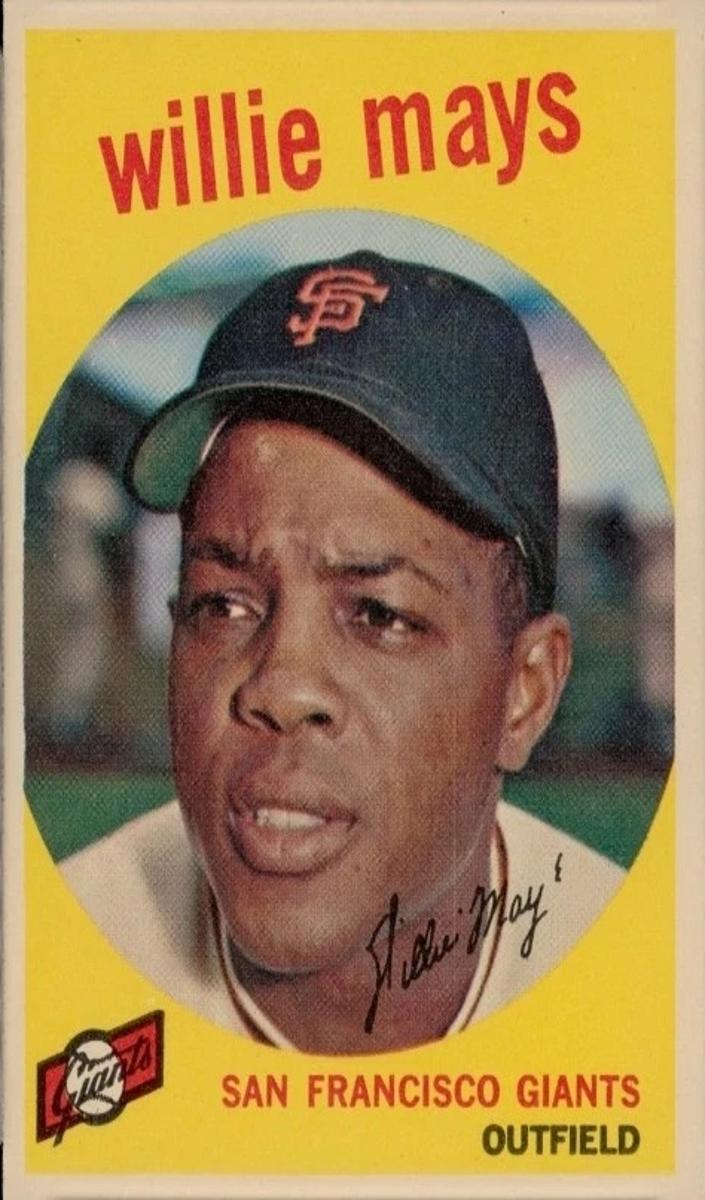
A 274-card set of painted portraits commissioned from artists, regarded as one of the most beautiful issues ever made. Its Mantle (#82) and the Willie Mays high number are keys, and the painted style was never repeated at this scale.
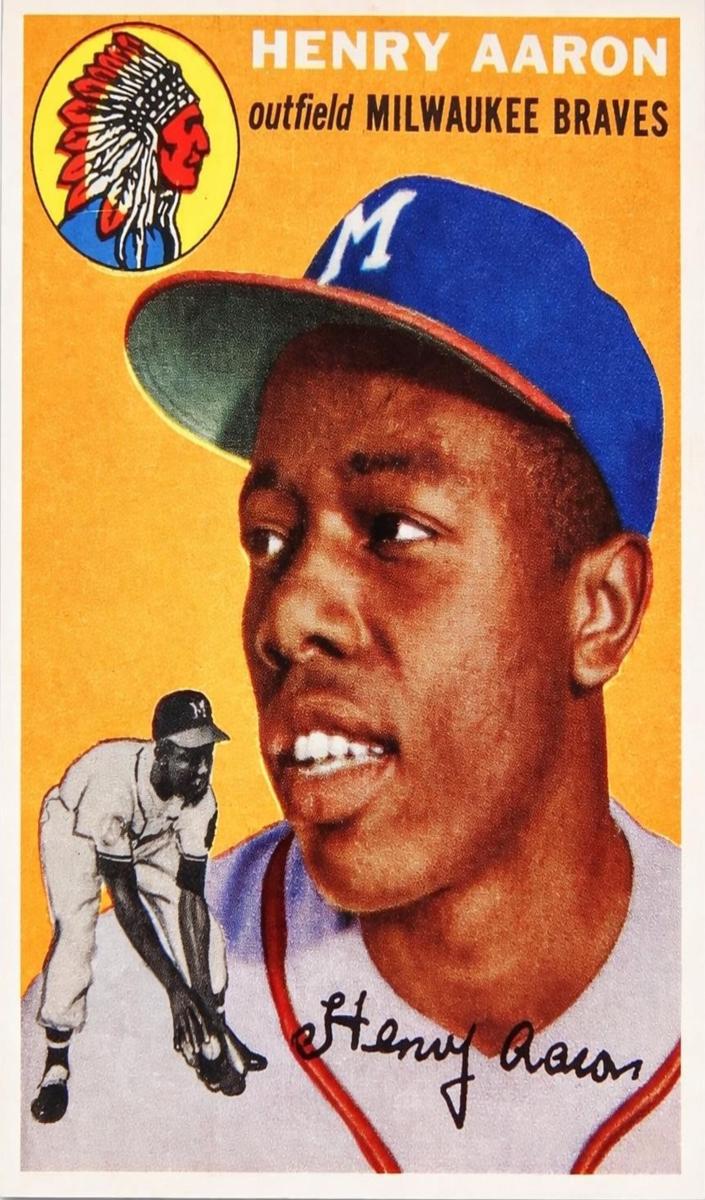
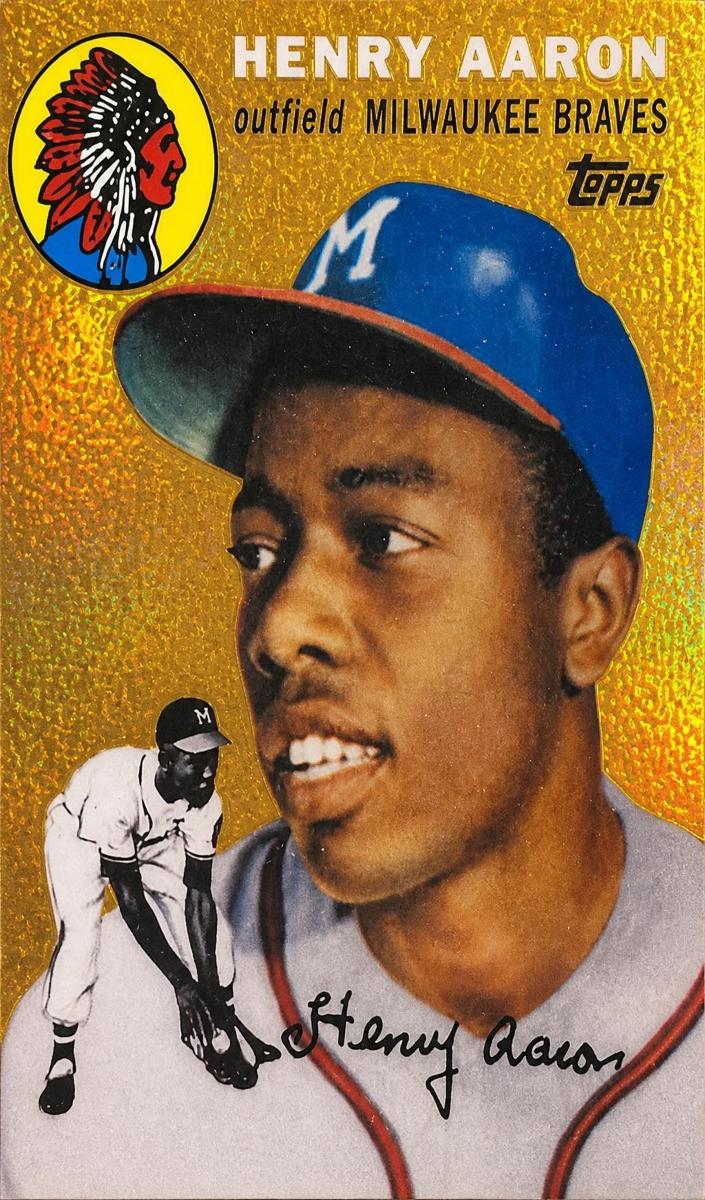
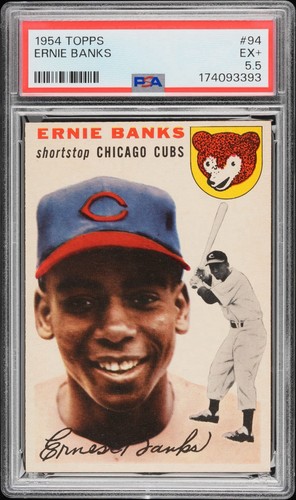
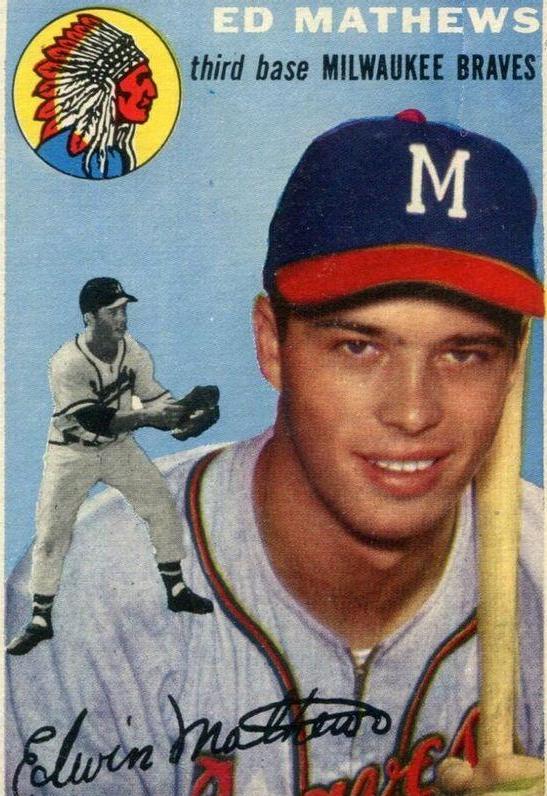
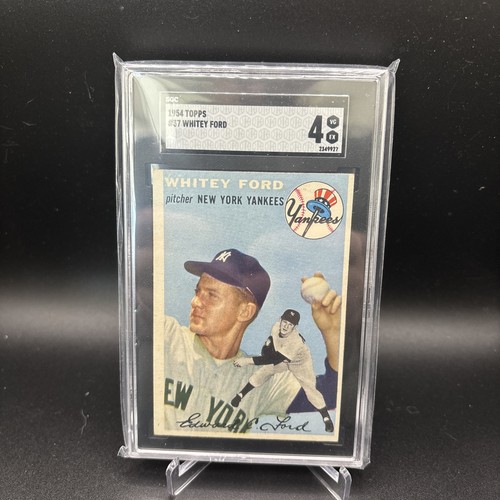
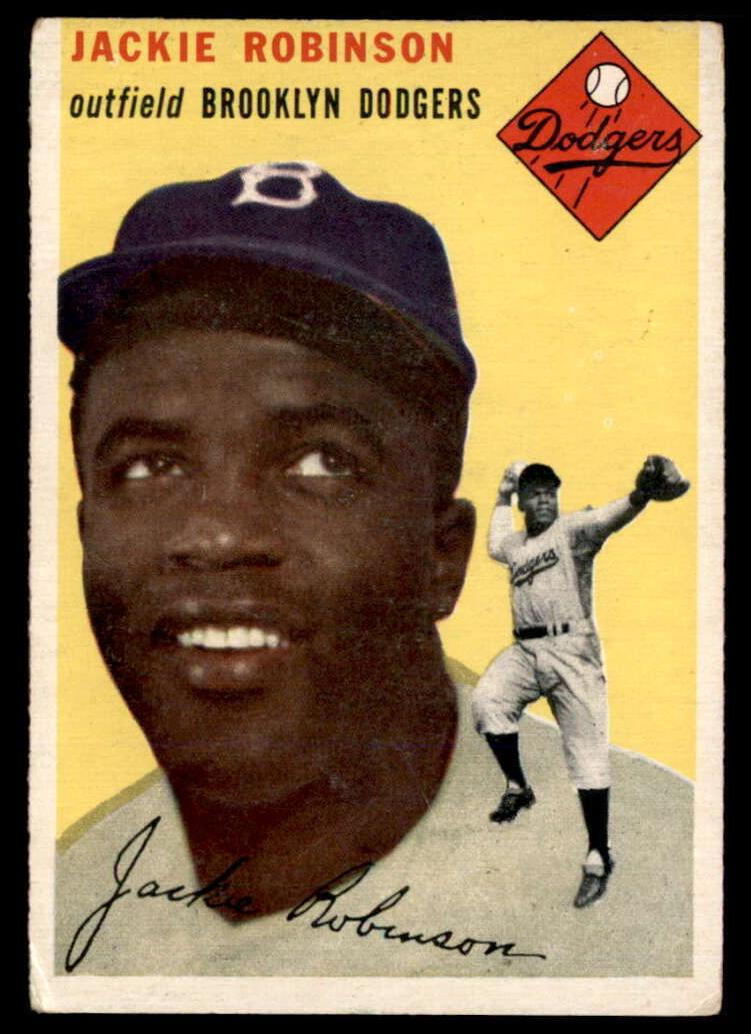
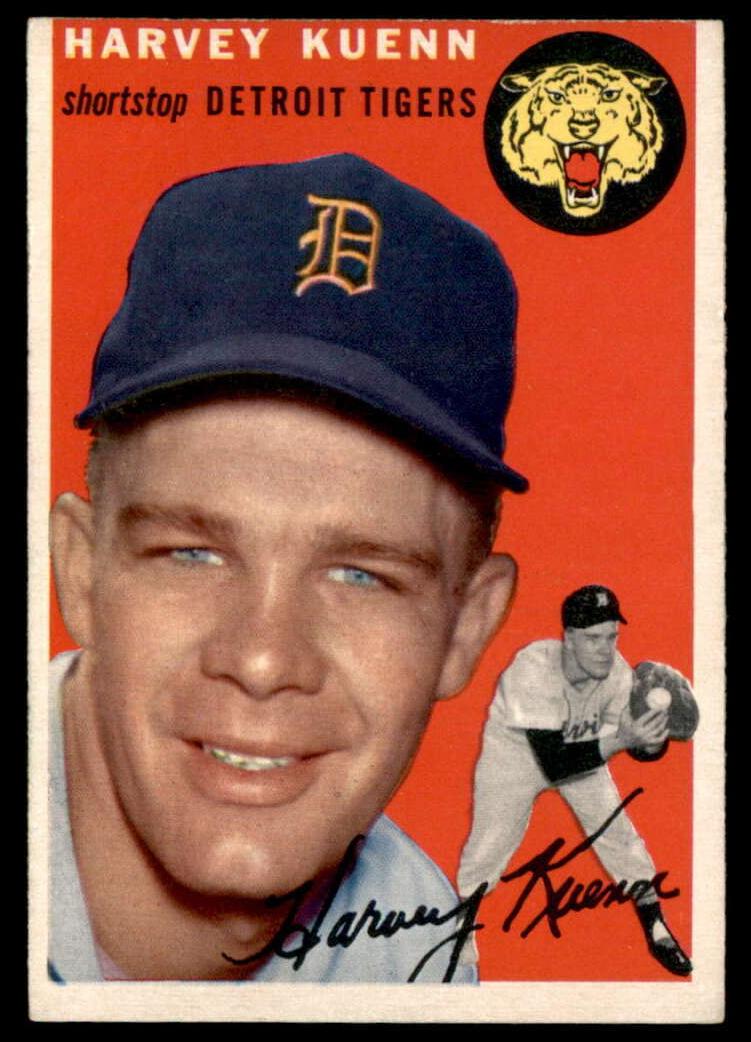
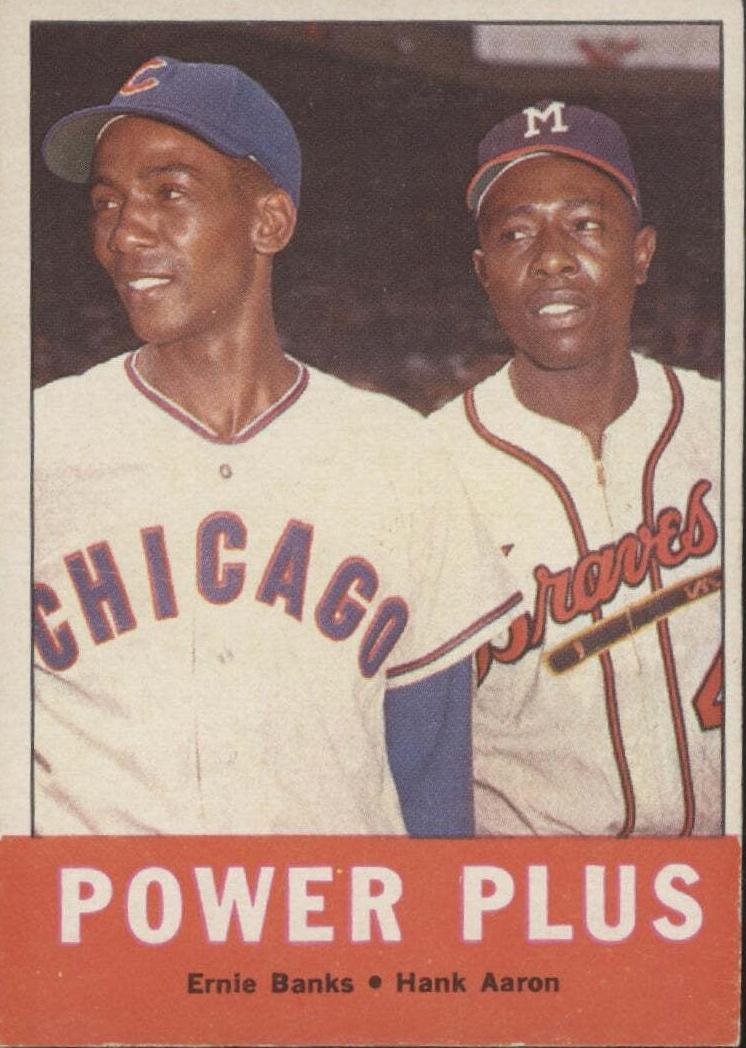
A 250-card set with dual images — color portrait plus black-and-white action shot — and the rookie cards of Hank Aaron, Ernie Banks, and Al Kaline. Ted Williams bookends the set at #1 and #250.
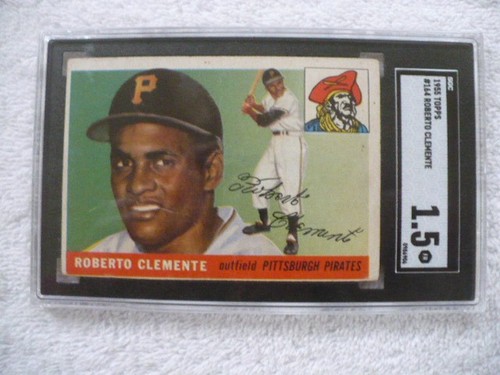
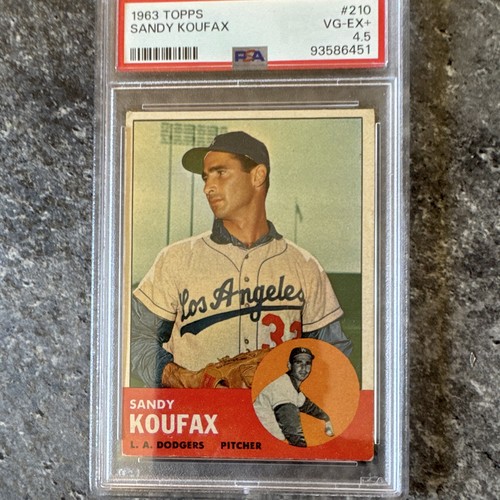
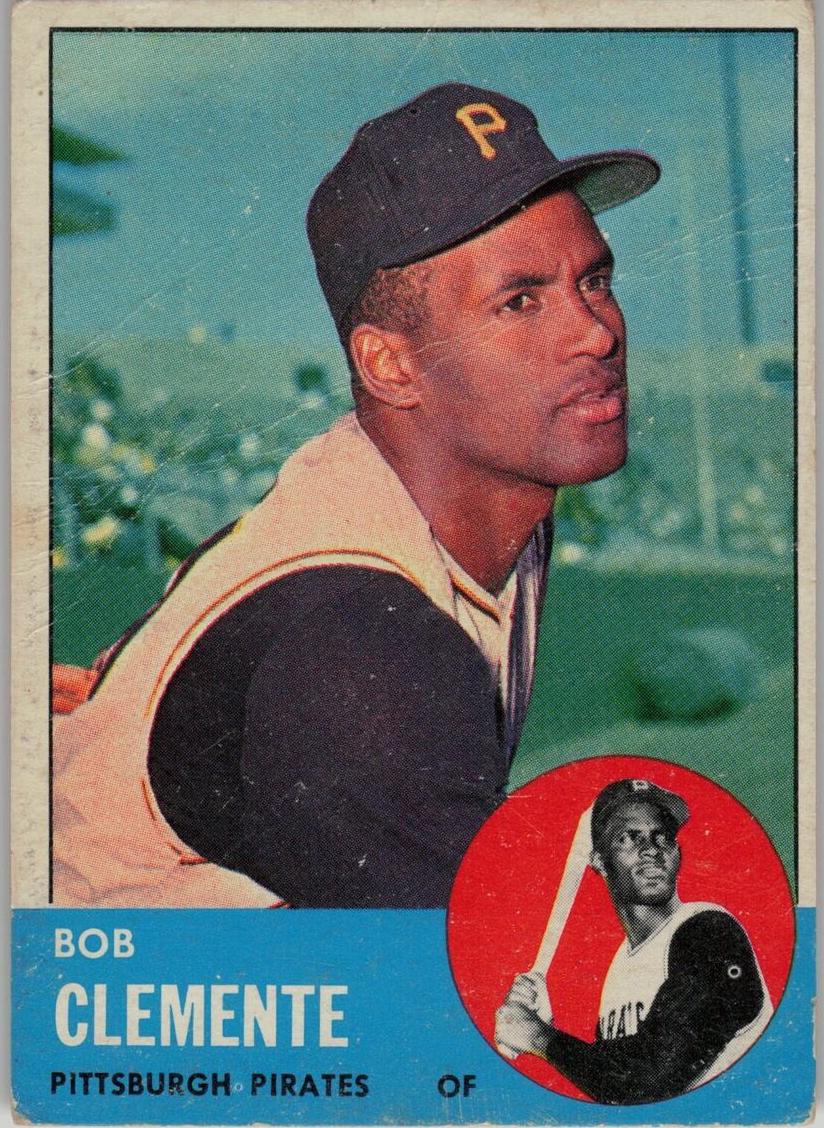
Topps' first horizontal design, 206 cards pairing portrait and action image. The rookie cards of Roberto Clemente, Sandy Koufax, and Harmon Killebrew make it one of the most rookie-rich sets of the decade.
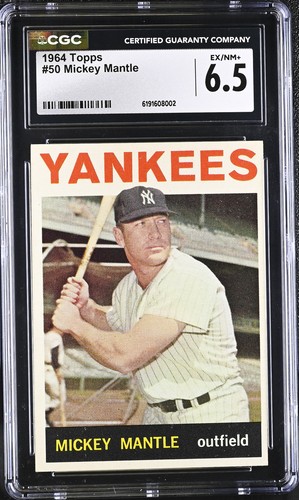
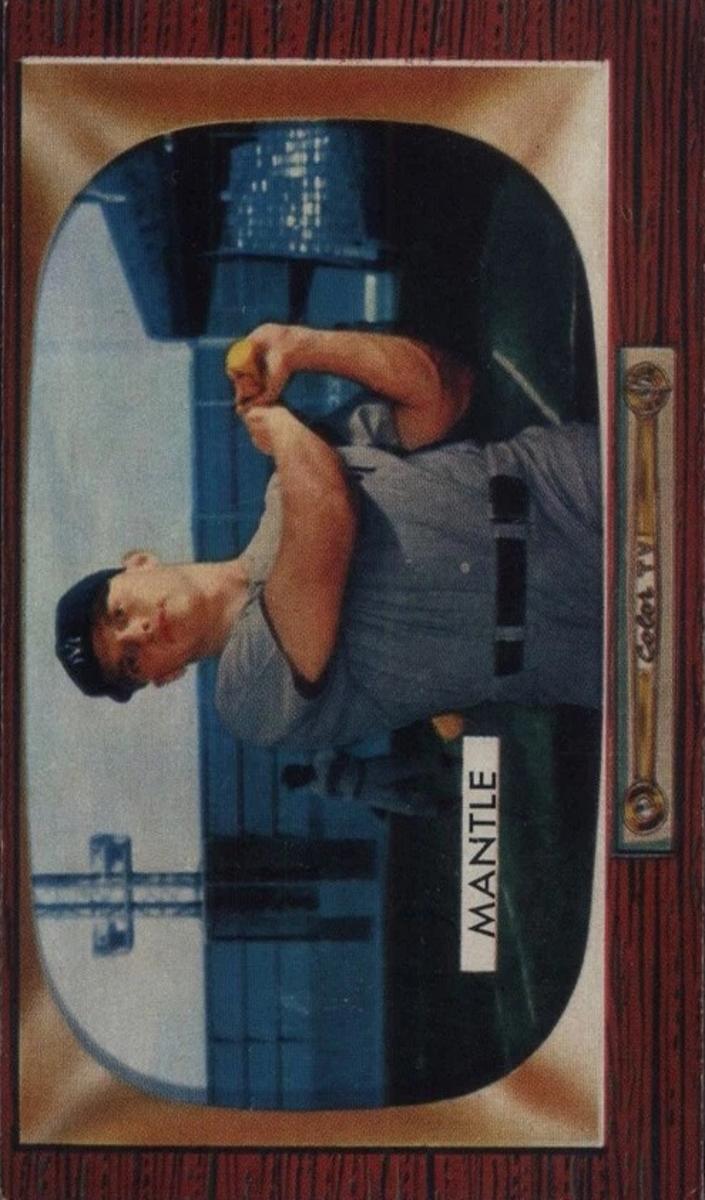
The last of the large-format horizontal sets, 340 cards with painted action scenes behind portraits — including Mantle's celebrated card from his Triple Crown season. Team cards and checklists appeared here for the first time.
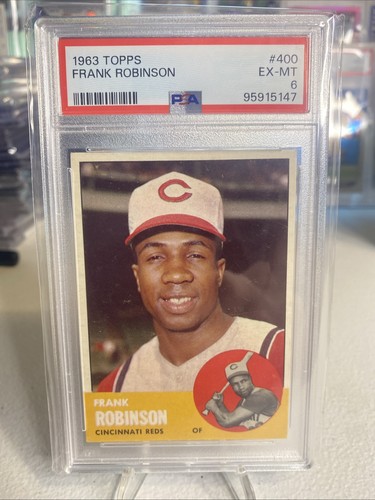
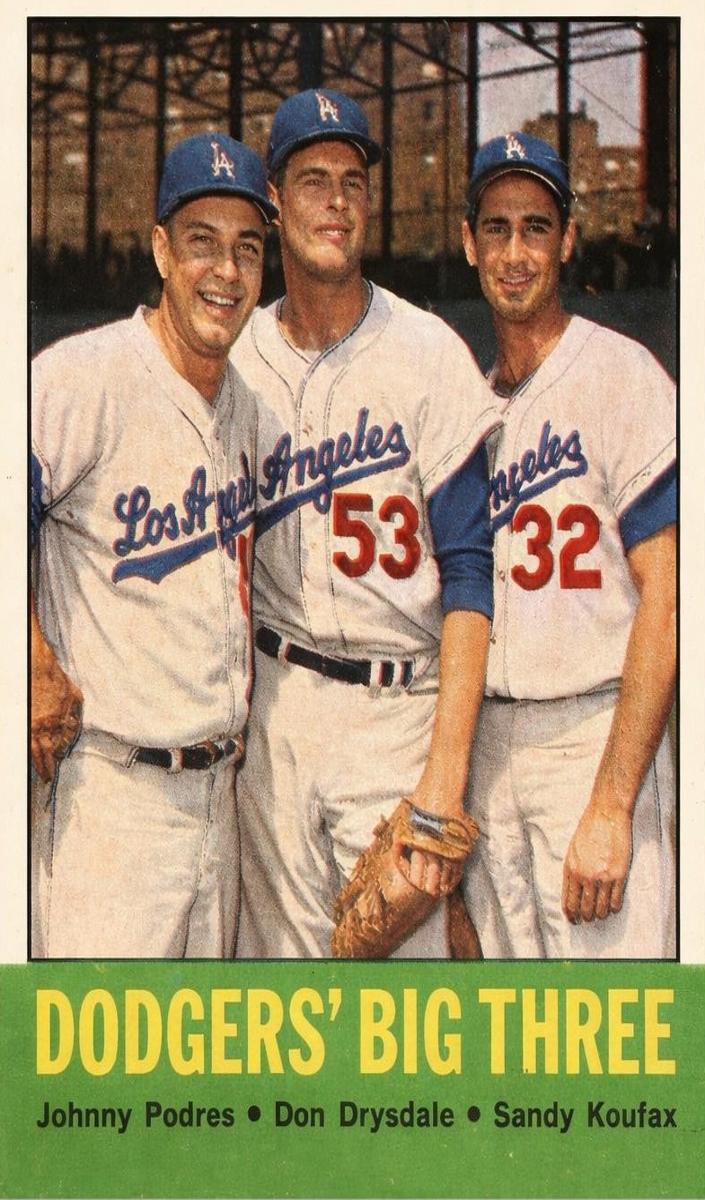
The set that standardized the modern card: the 2½ × 3½ inch size still used today, real color photography instead of paintings, and full career statistics on the back. Rookies include Frank Robinson, Brooks Robinson, and Don Drysdale across its 407 cards.
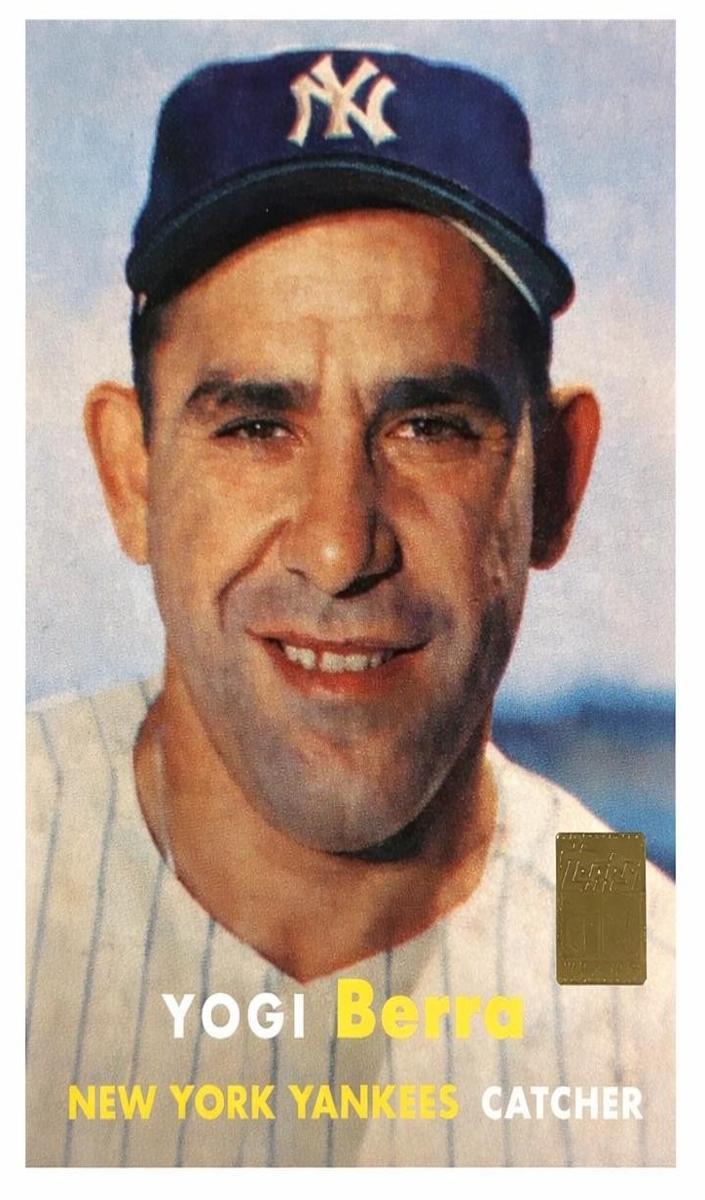
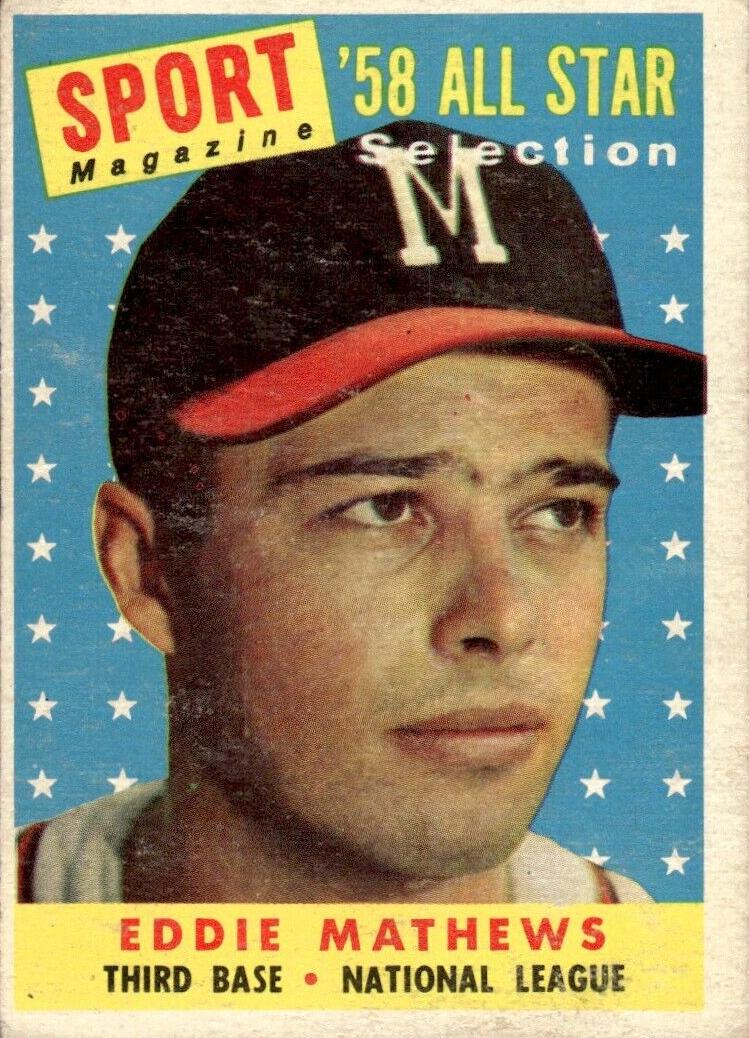
A 494-card set of solid-color backgrounds behind cut-out player photos, including the first Topps cards printed with player-name variations in yellow and white lettering. Its #1 card, Ted Williams, leads a set filled with All-Star subset debuts.
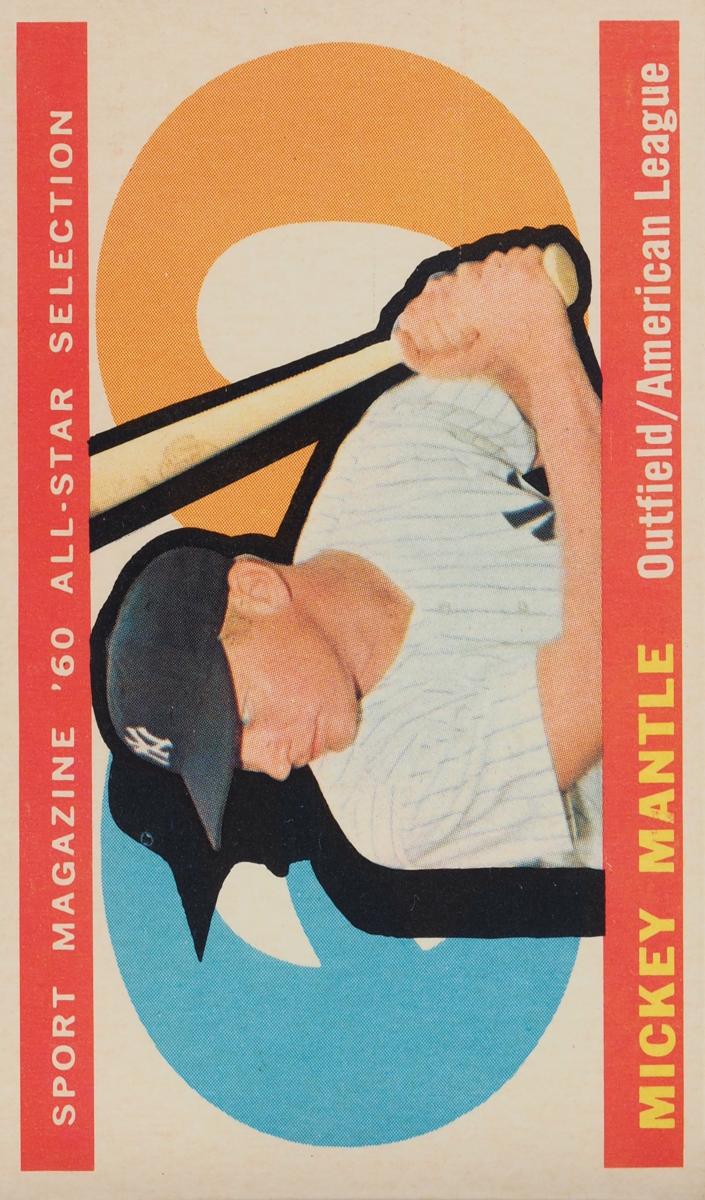
Topps' 572-card set framed players inside a circle on bold single-color backgrounds. The Bob Gibson rookie and the high-number Mantle All-Star are keys, and at the time it was the largest set ever issued.
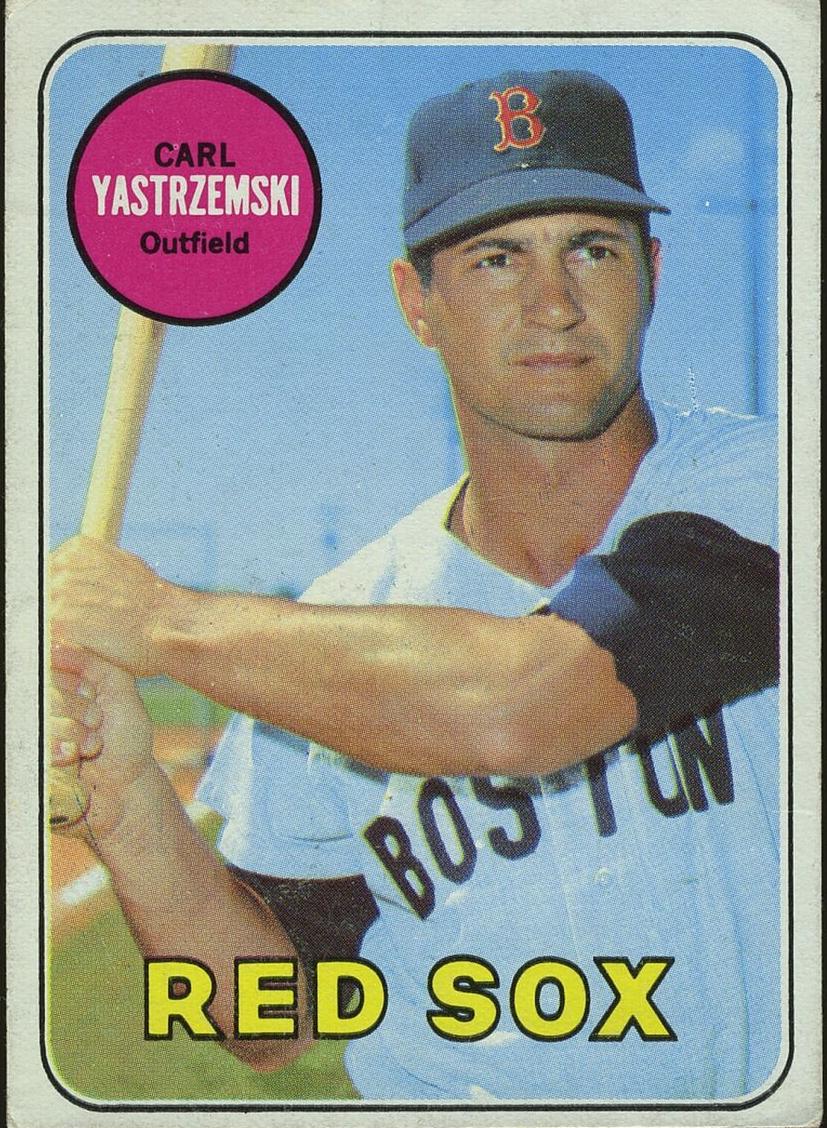
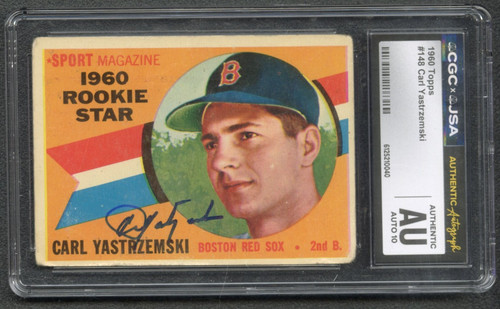
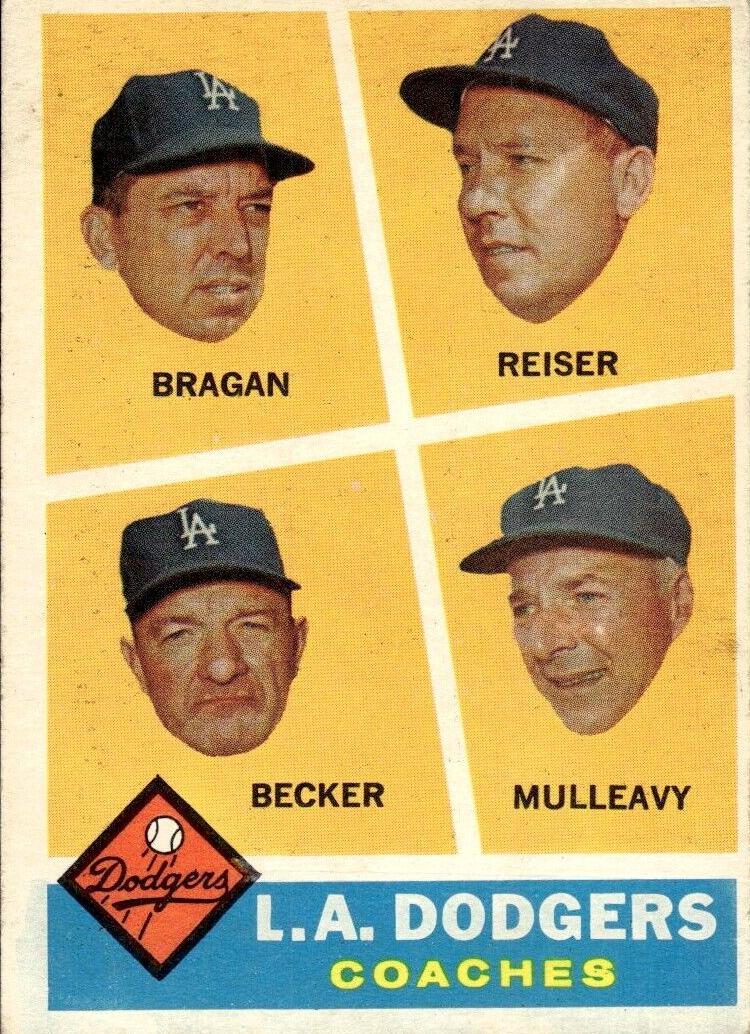
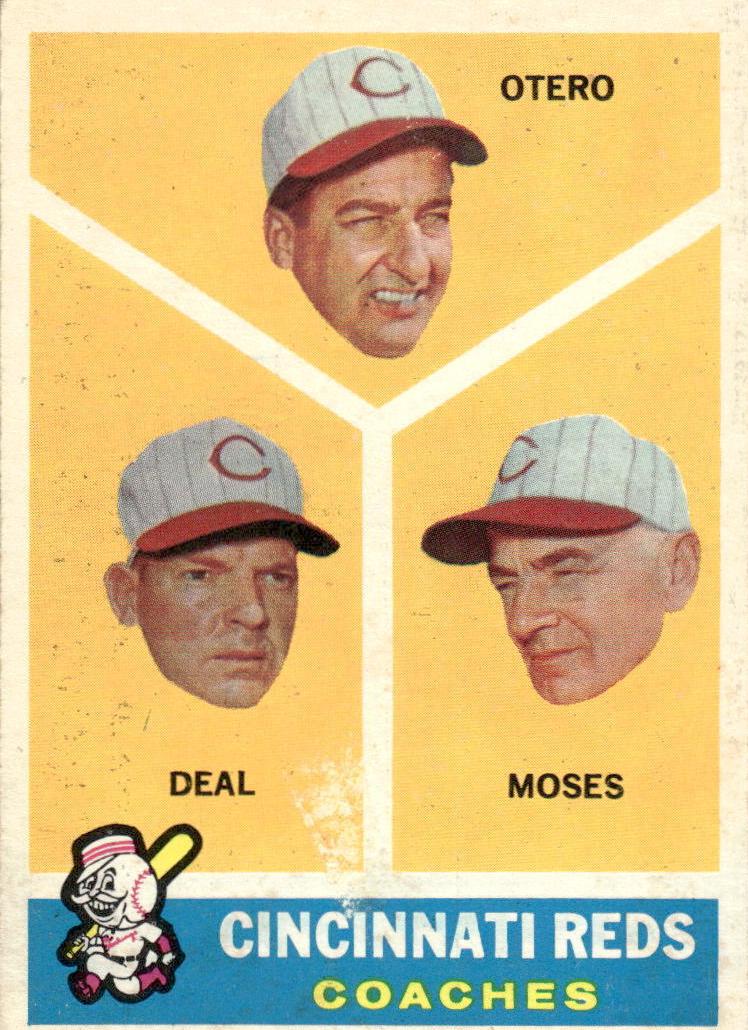
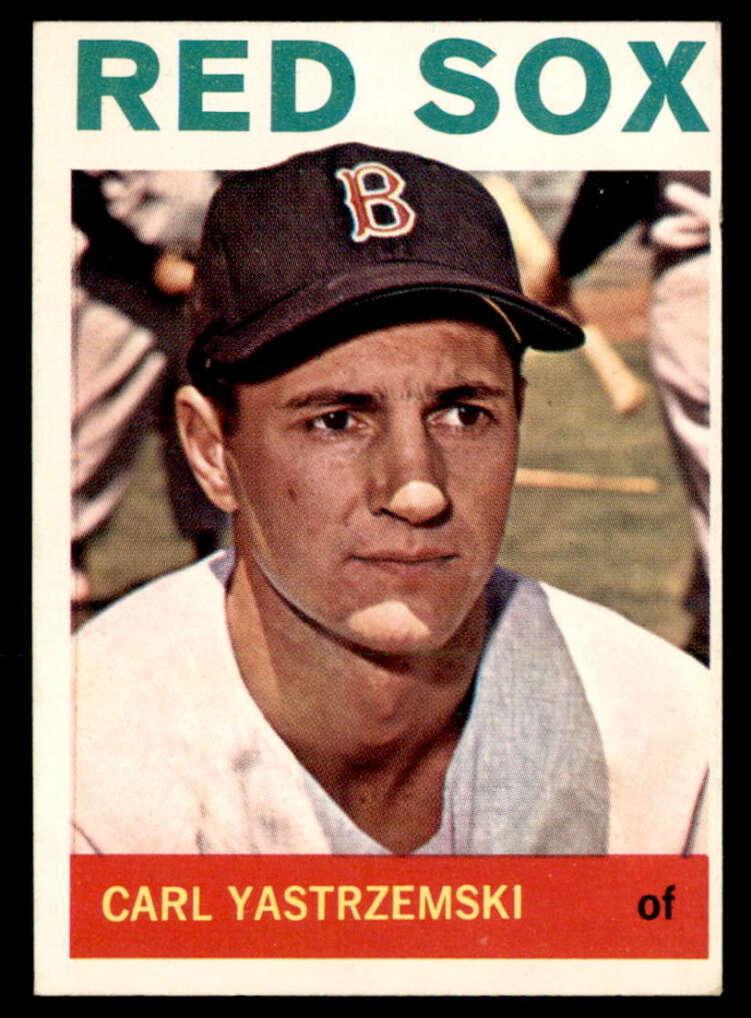
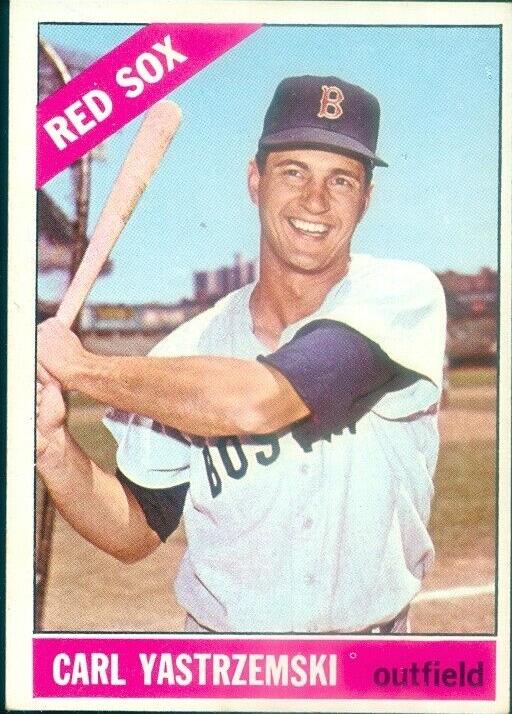
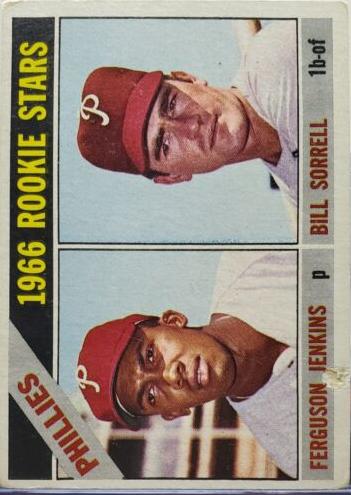
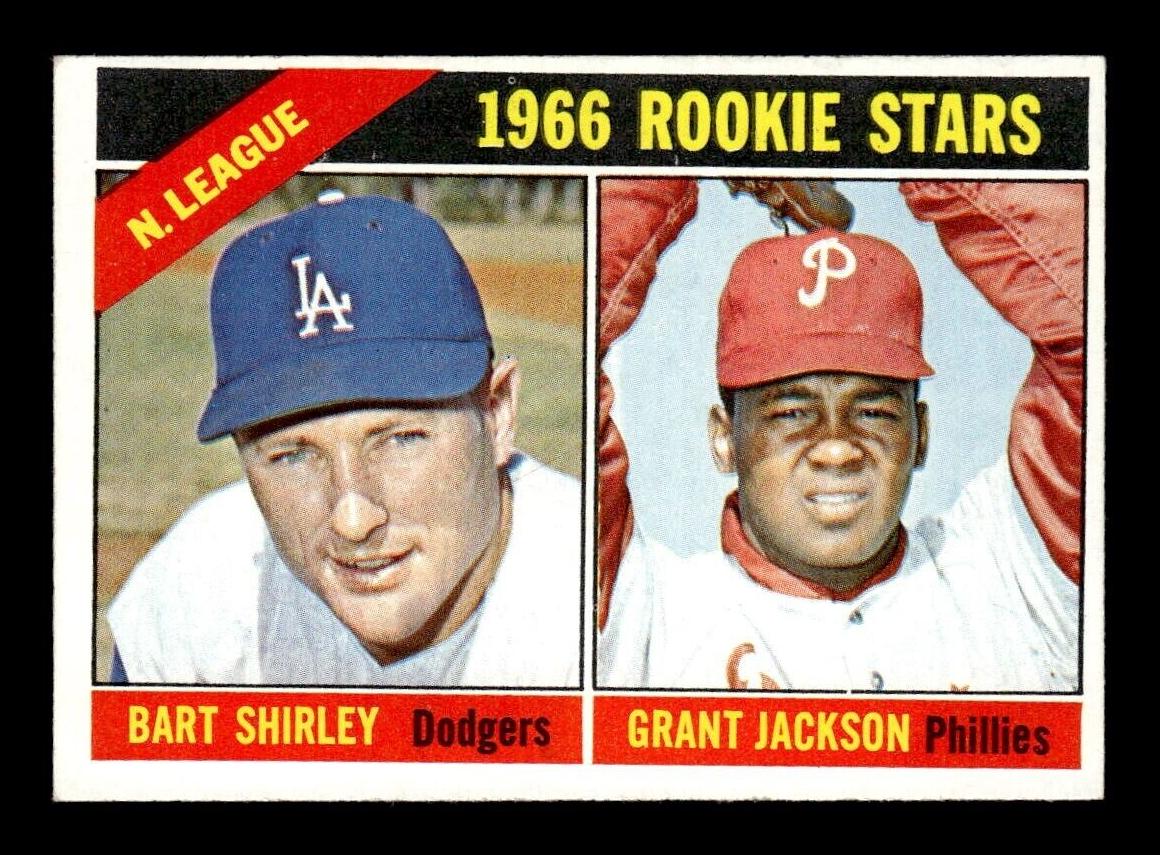
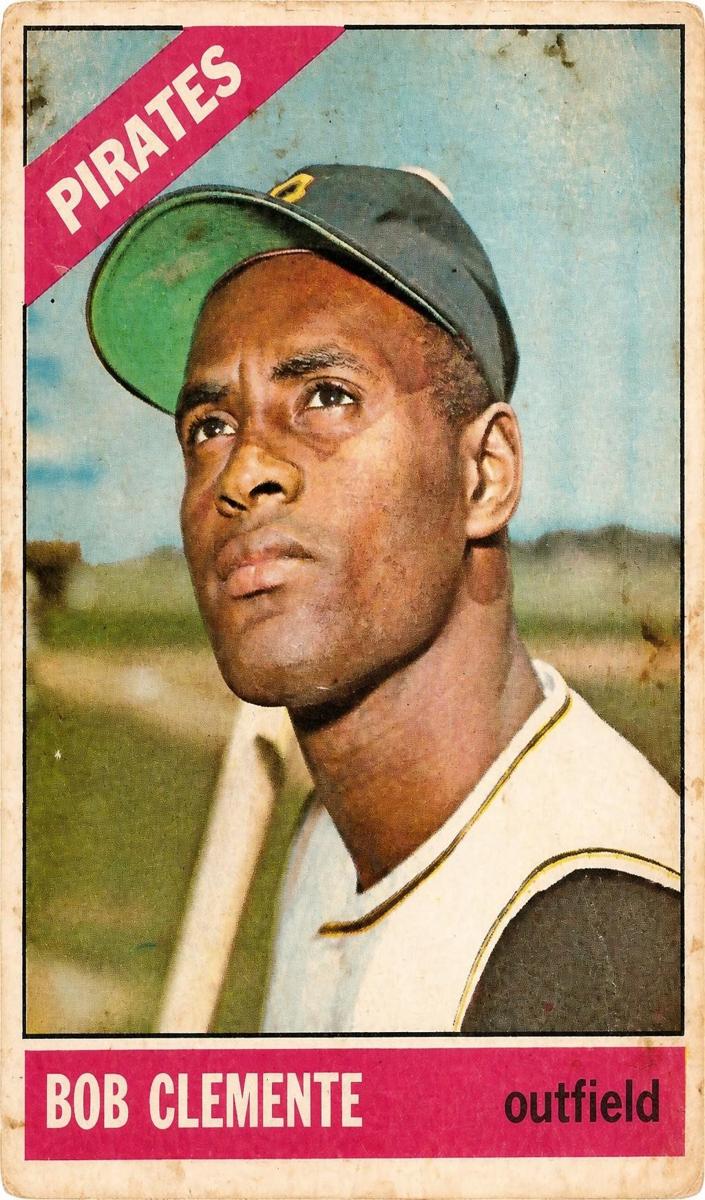
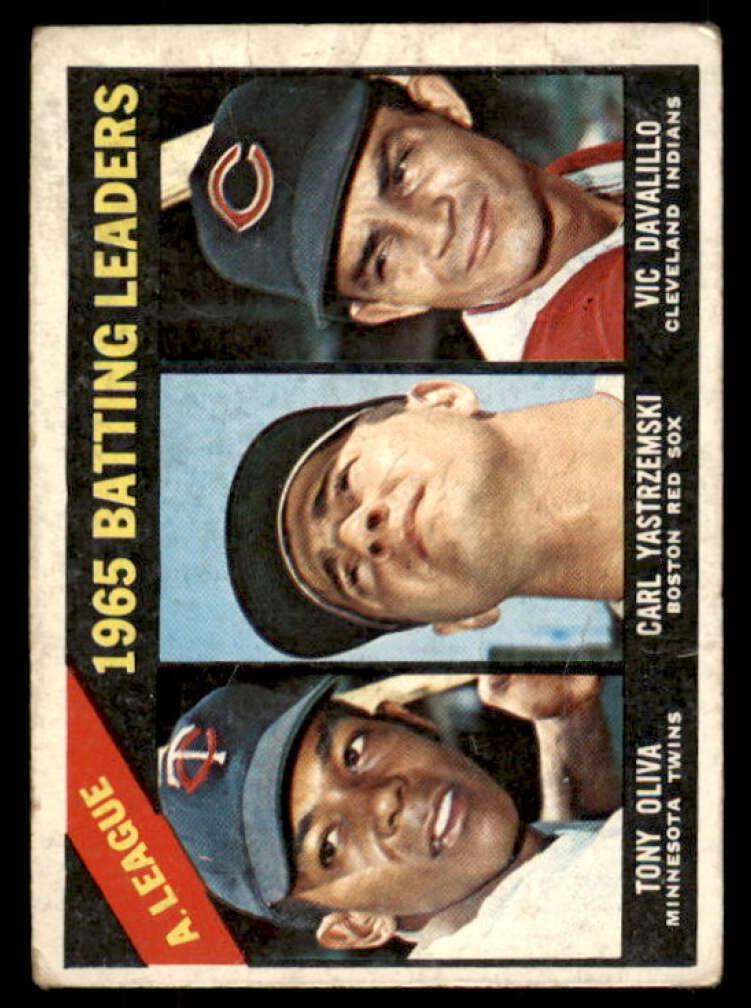
A 572-card return to horizontal design mixing color portraits with black-and-white insets. Carl Yastrzemski's rookie headlines, and the set's colorful manager and coach cards give it a distinct personality.
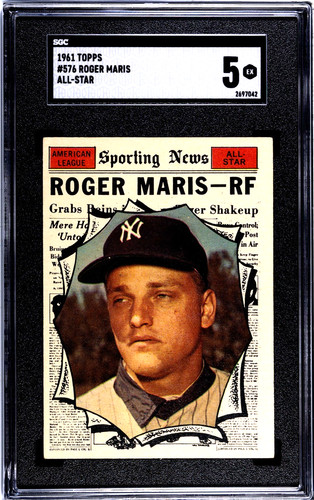
A clean, portrait-forward 587-card design remembered for its Roger Maris cards issued during his 61-home-run chase, and for high-number scarcity that makes complete sets a genuine challenge.
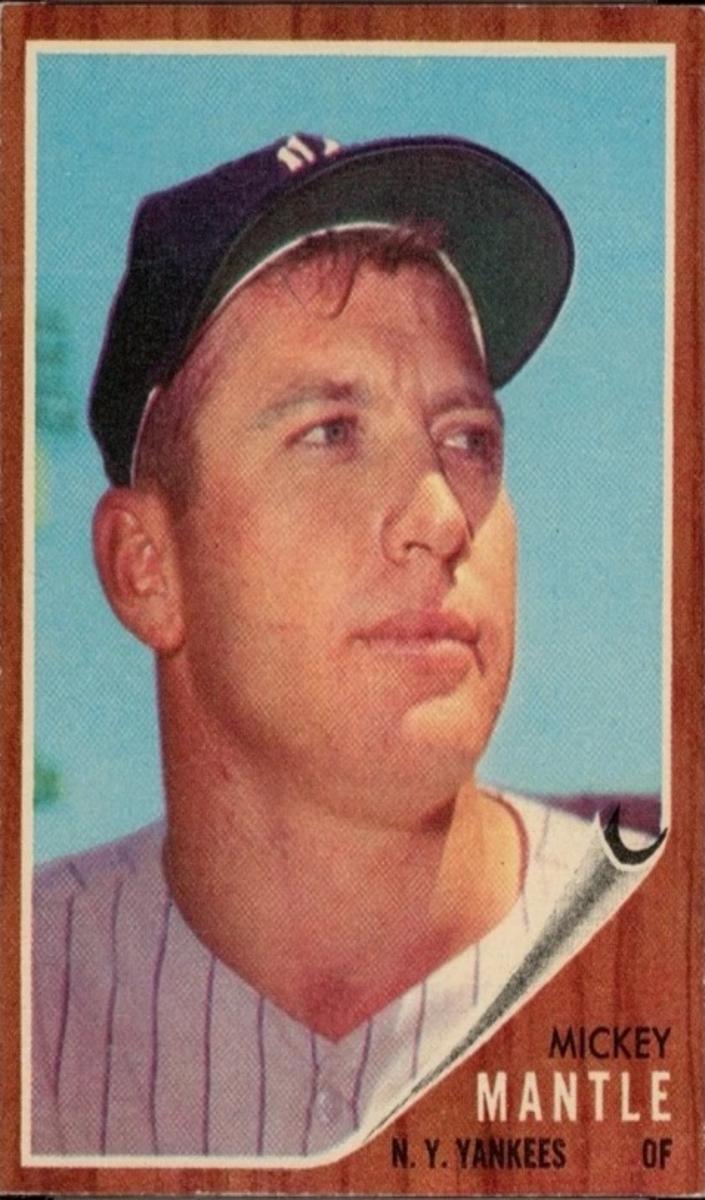
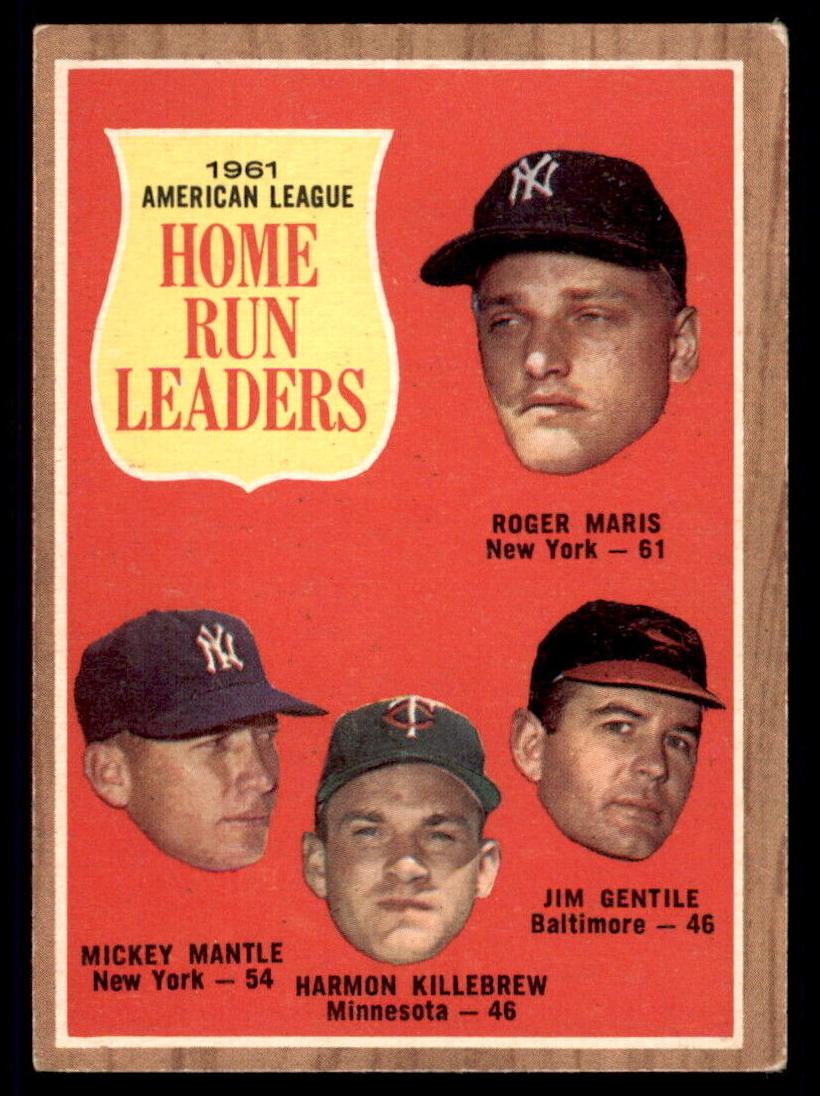
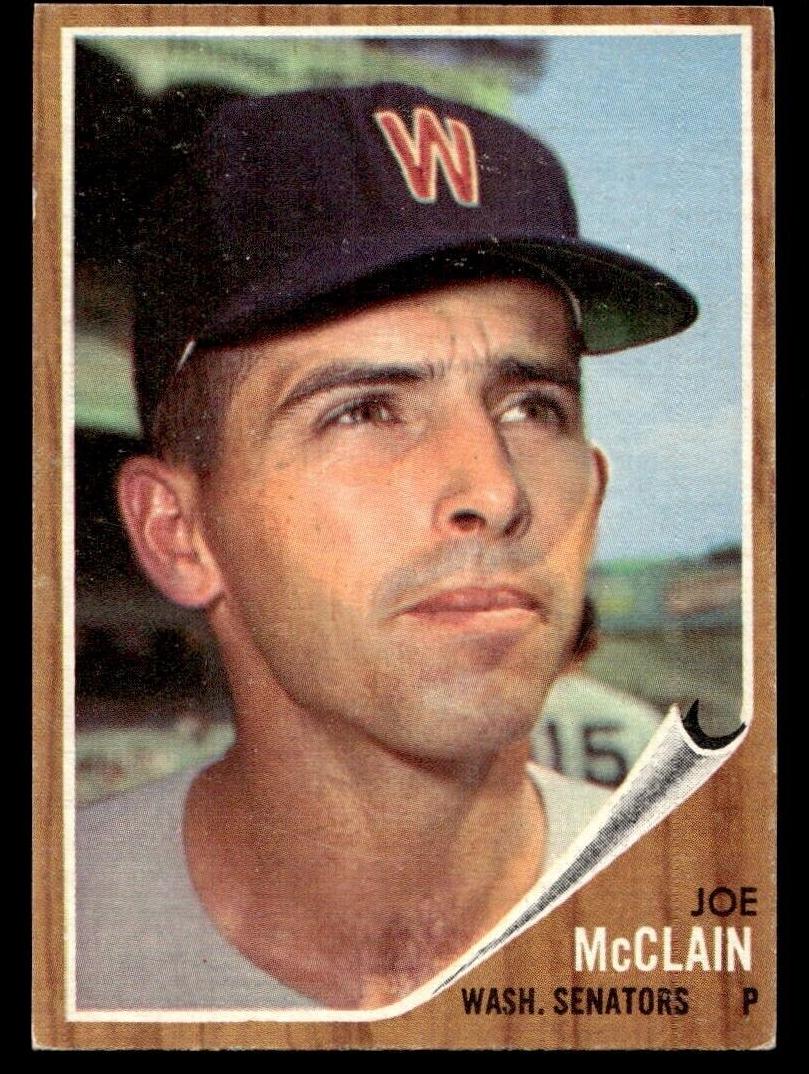
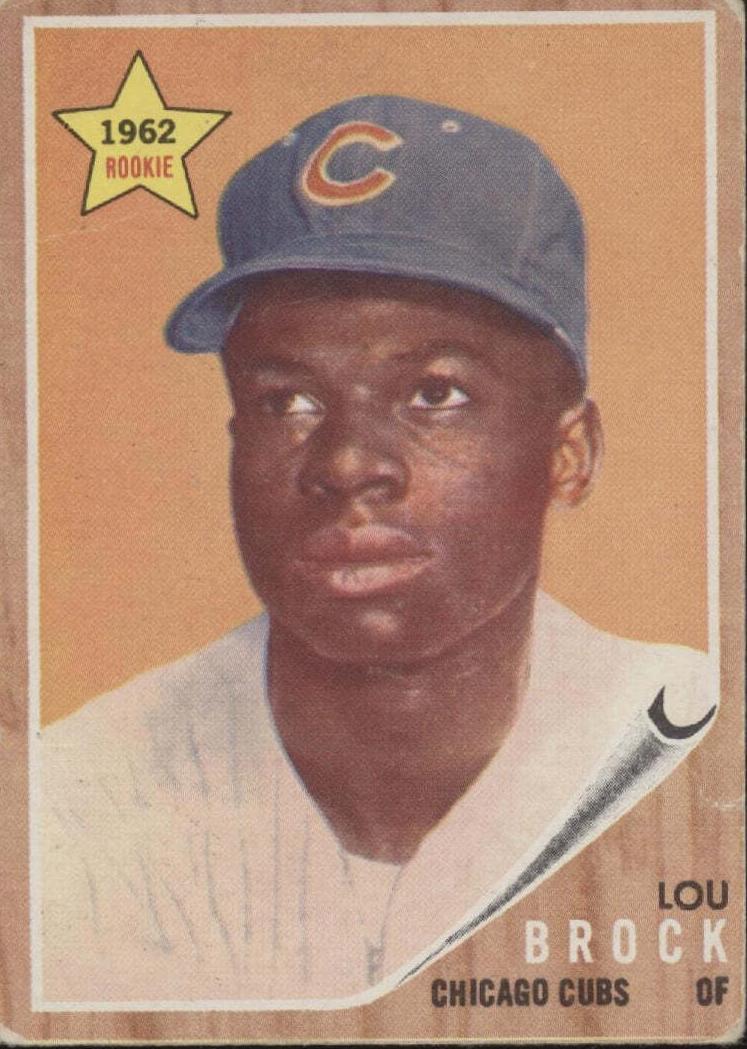
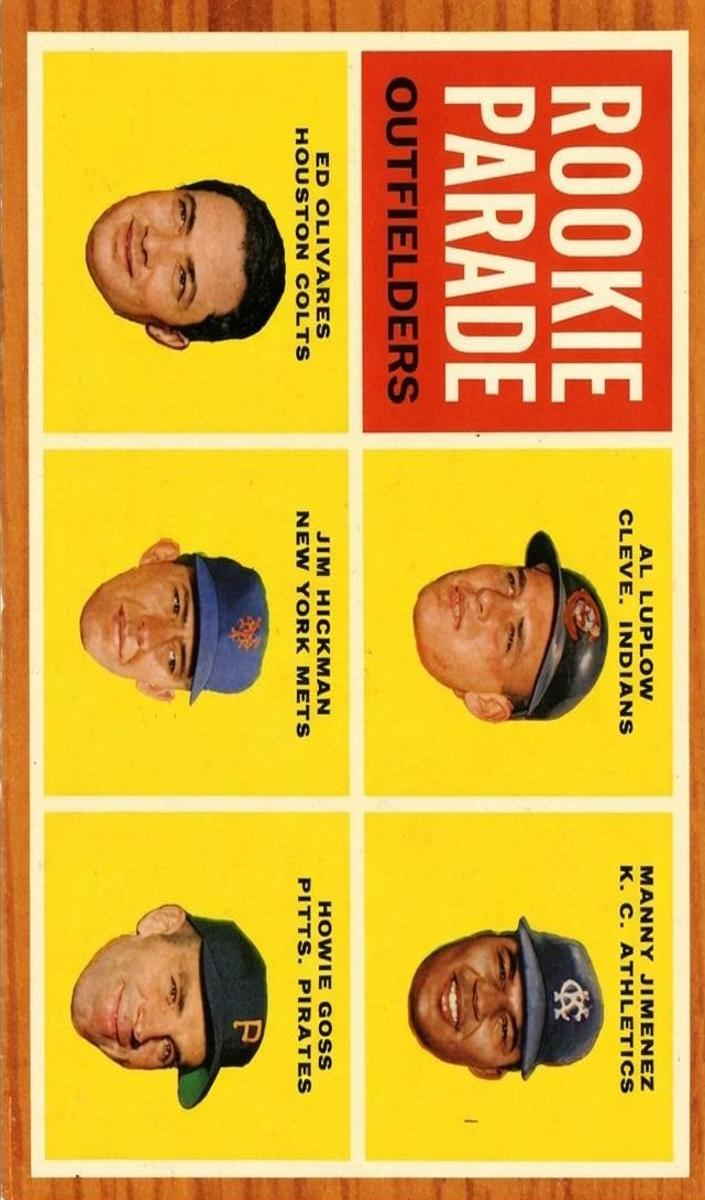
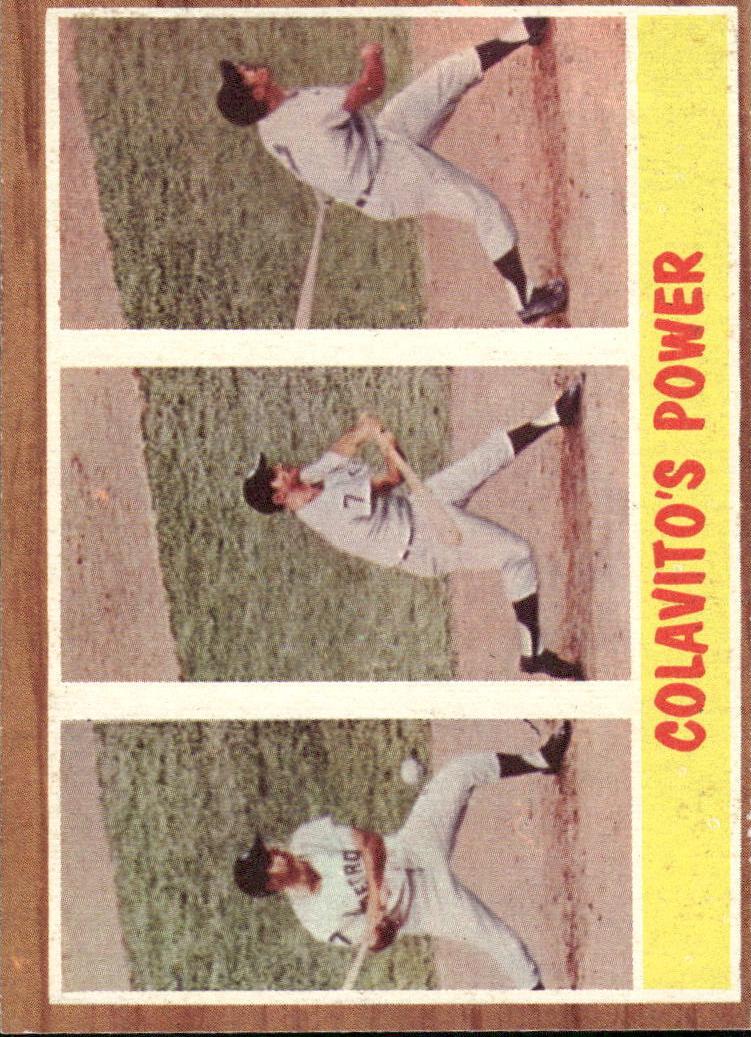
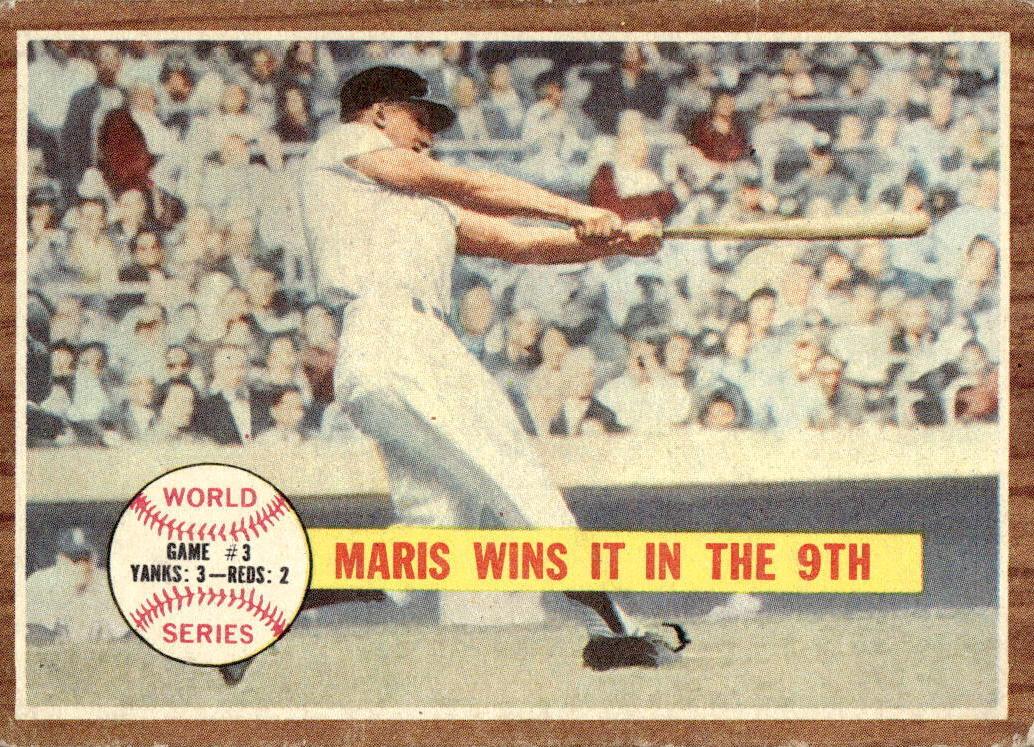
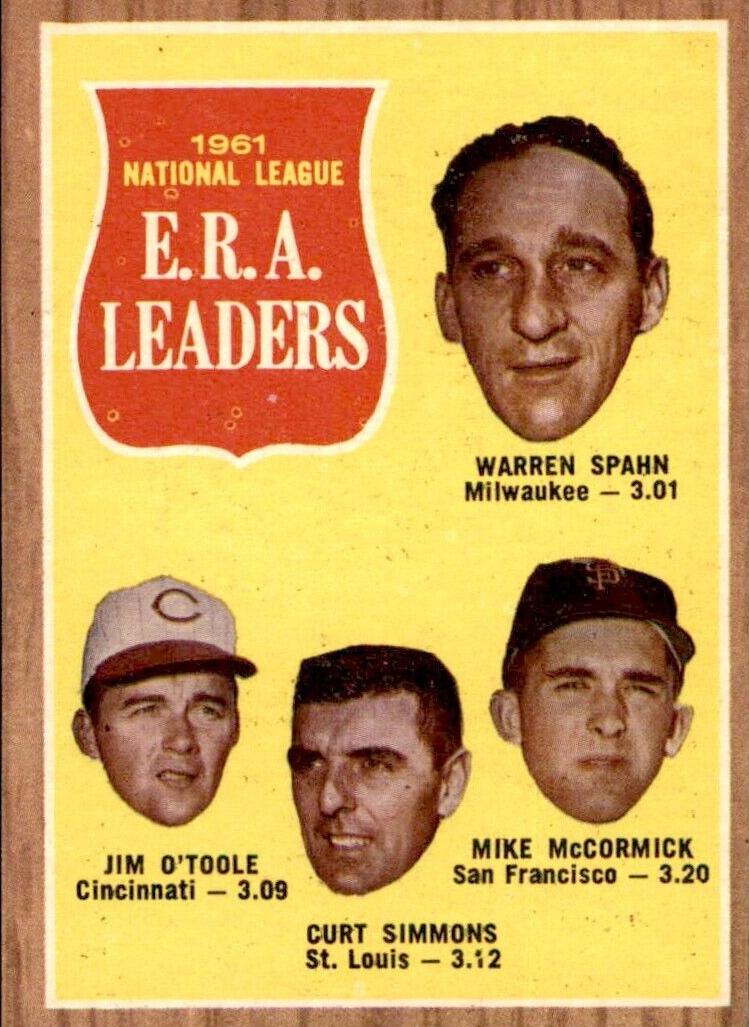
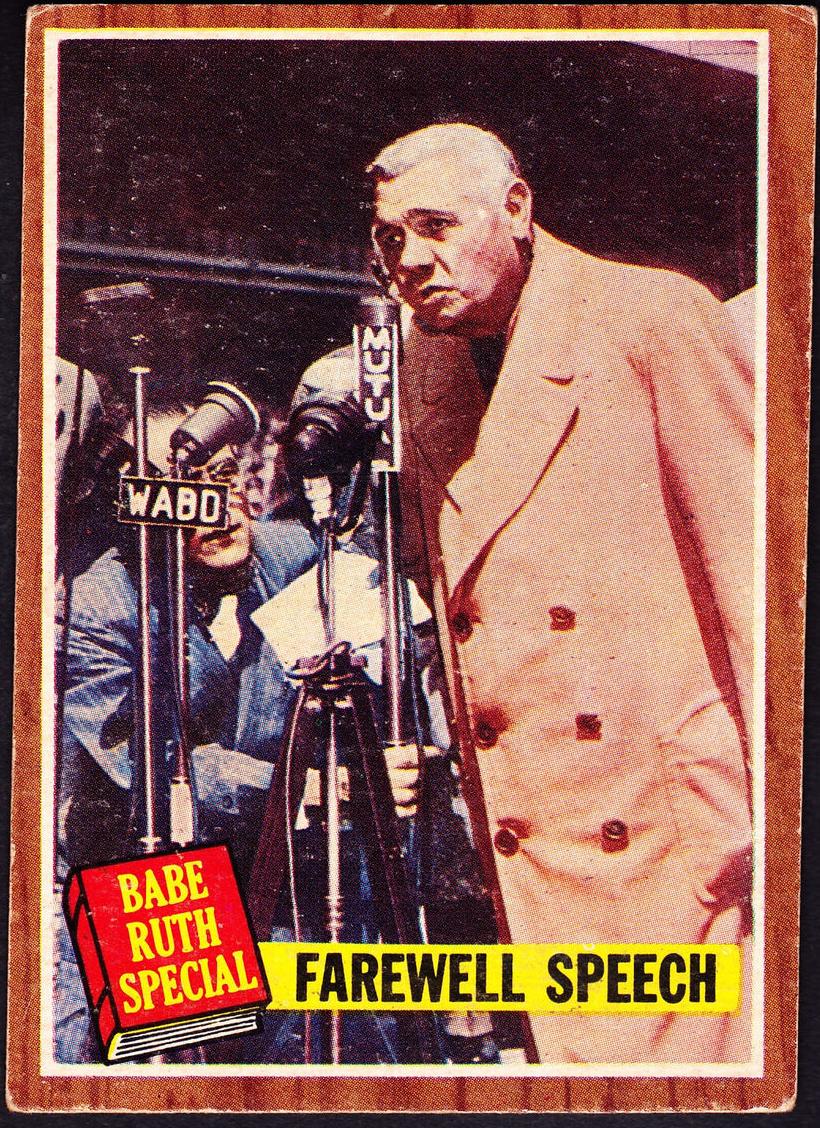
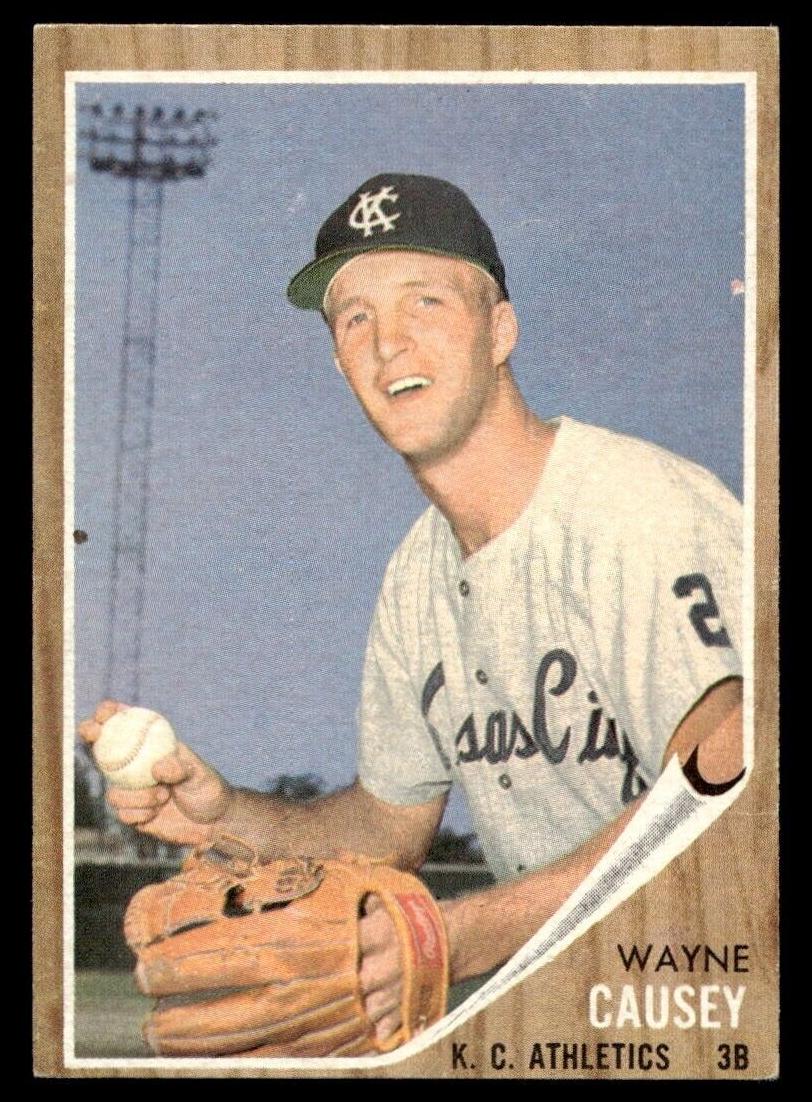
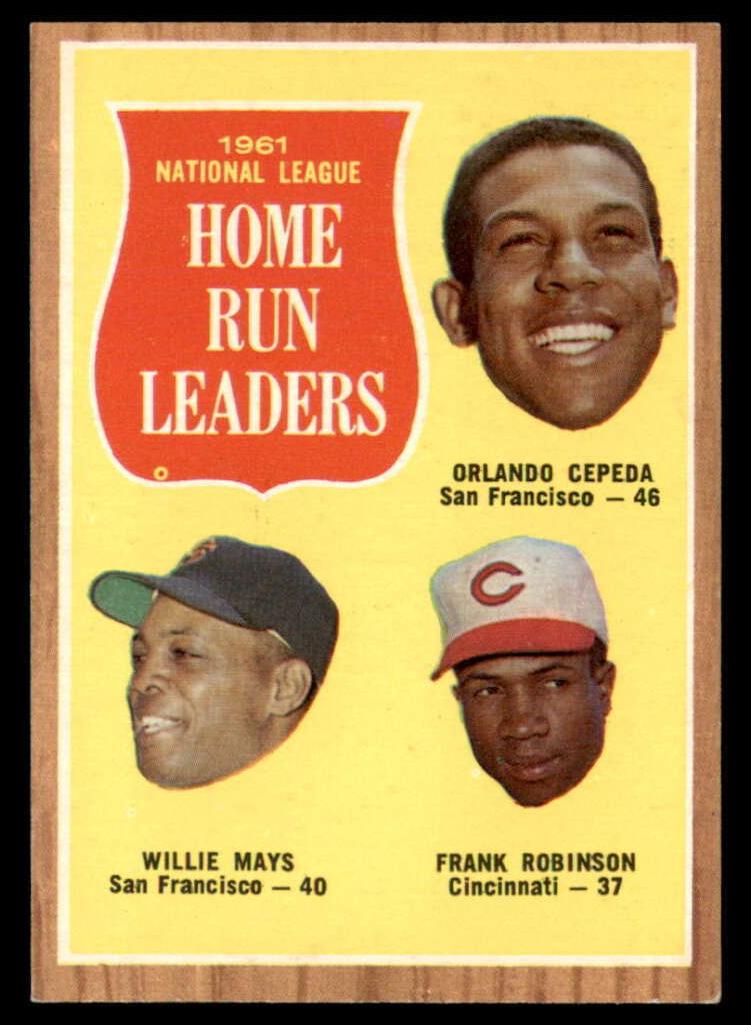
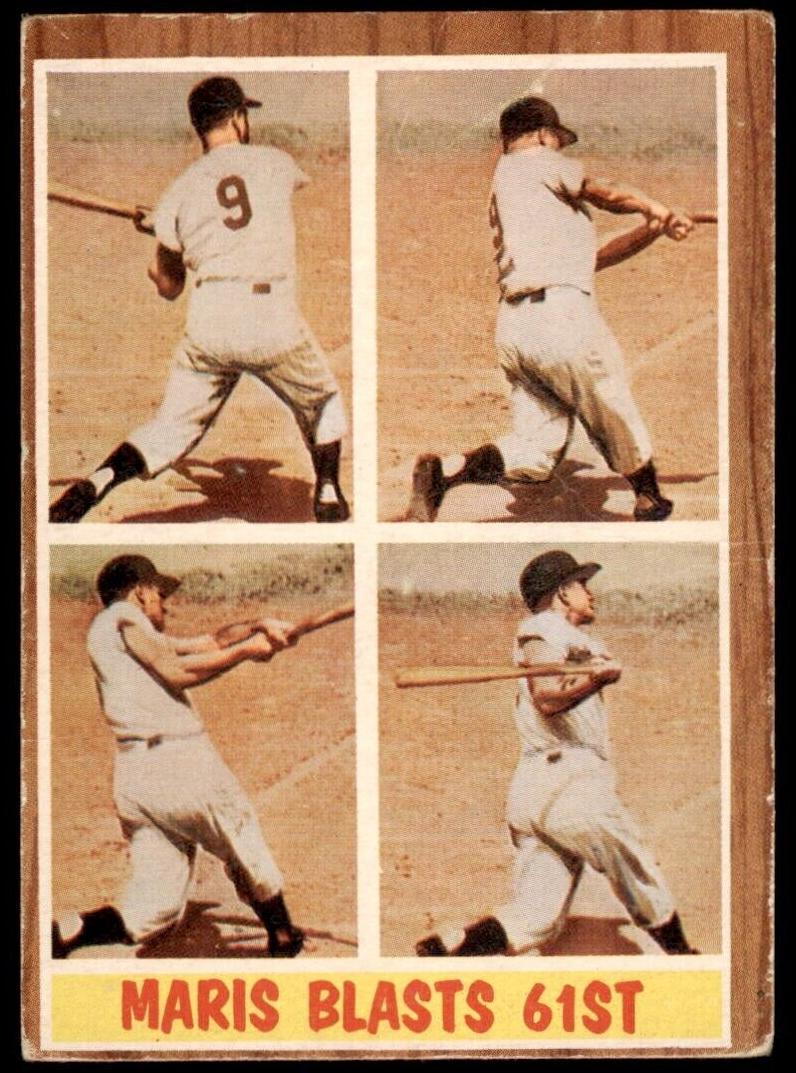
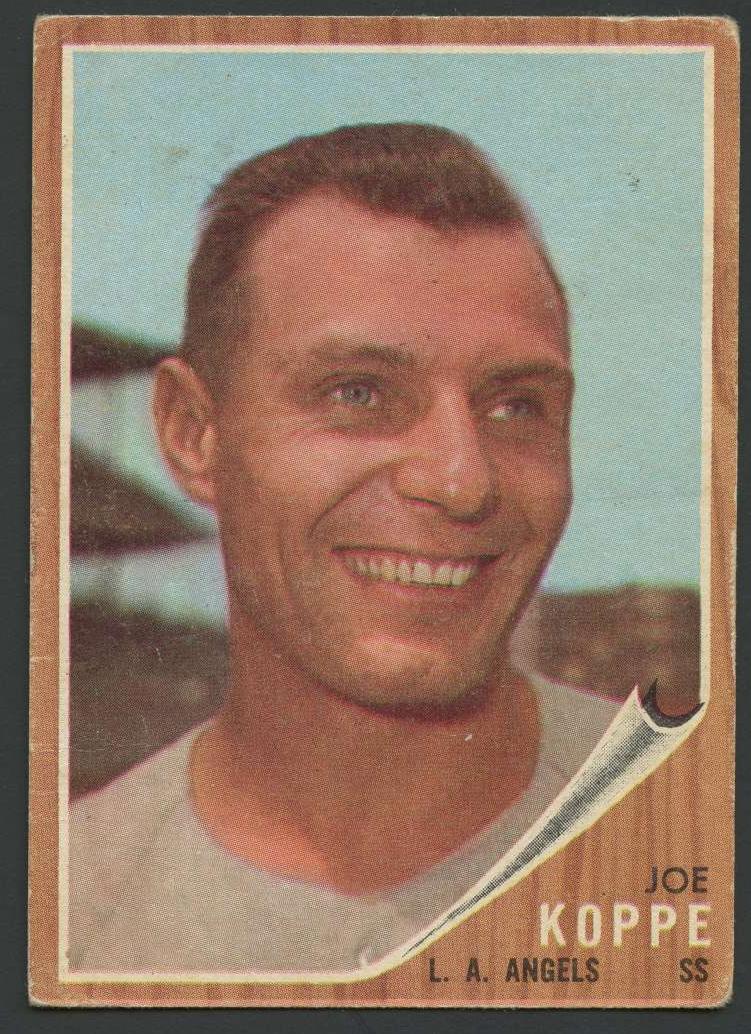
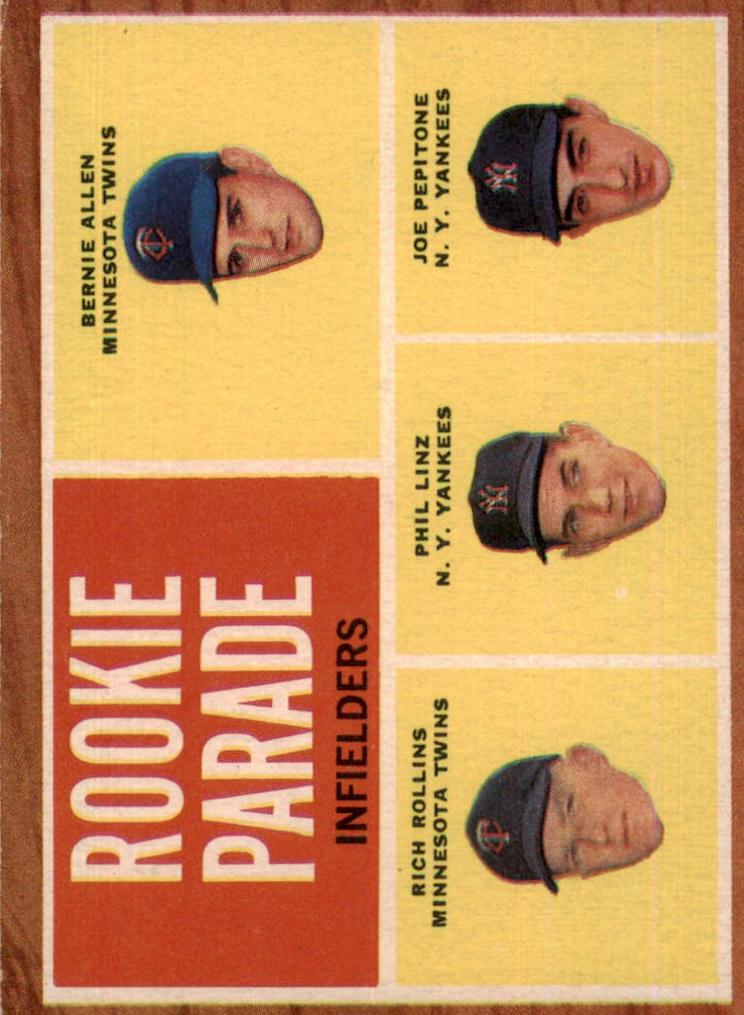
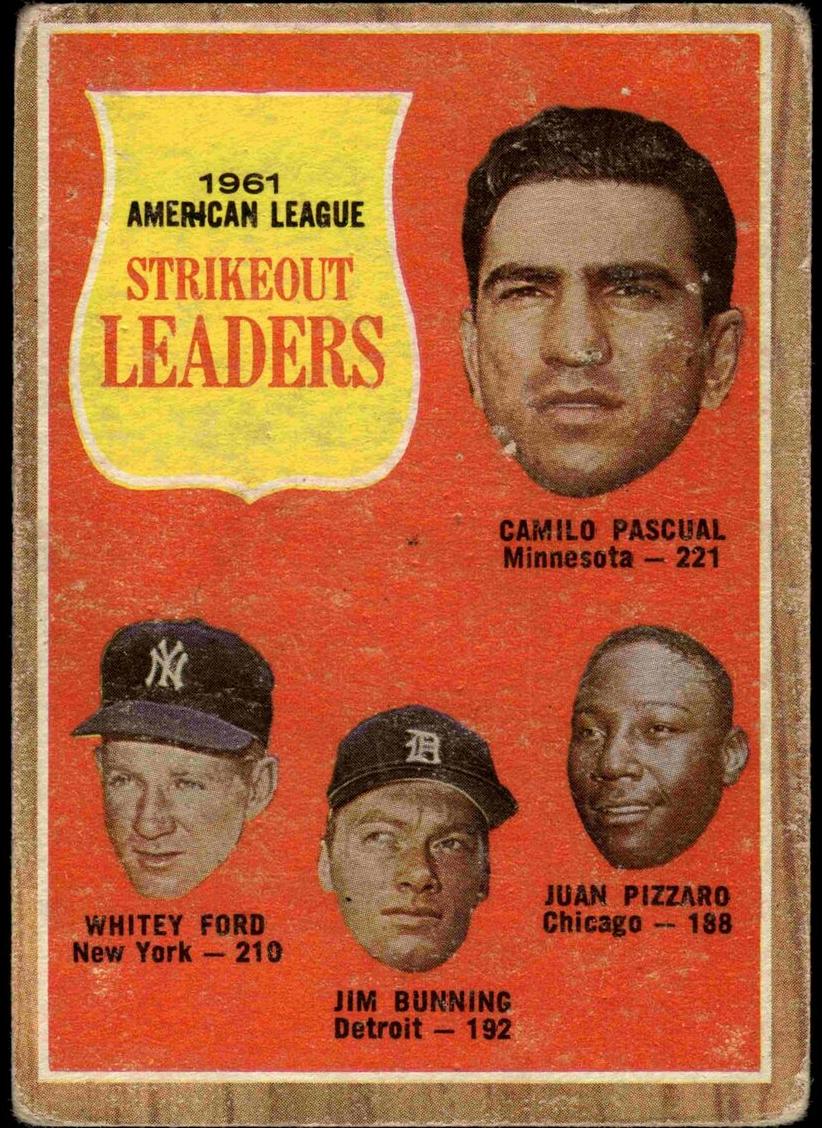
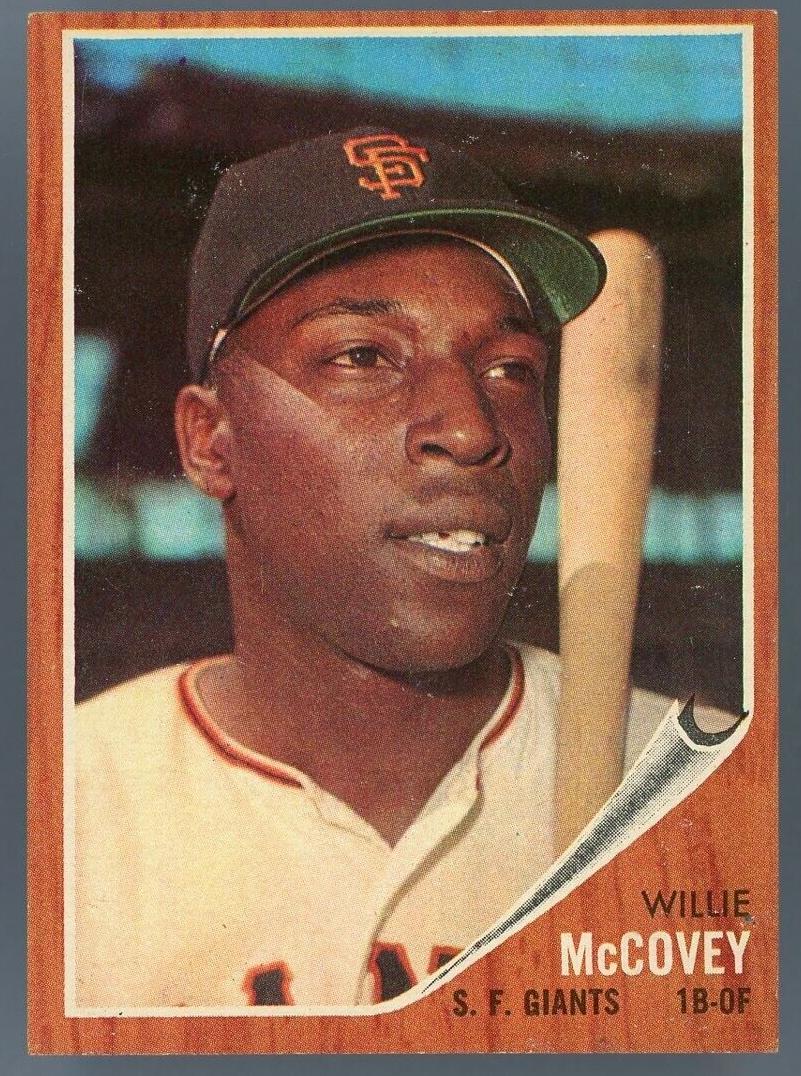
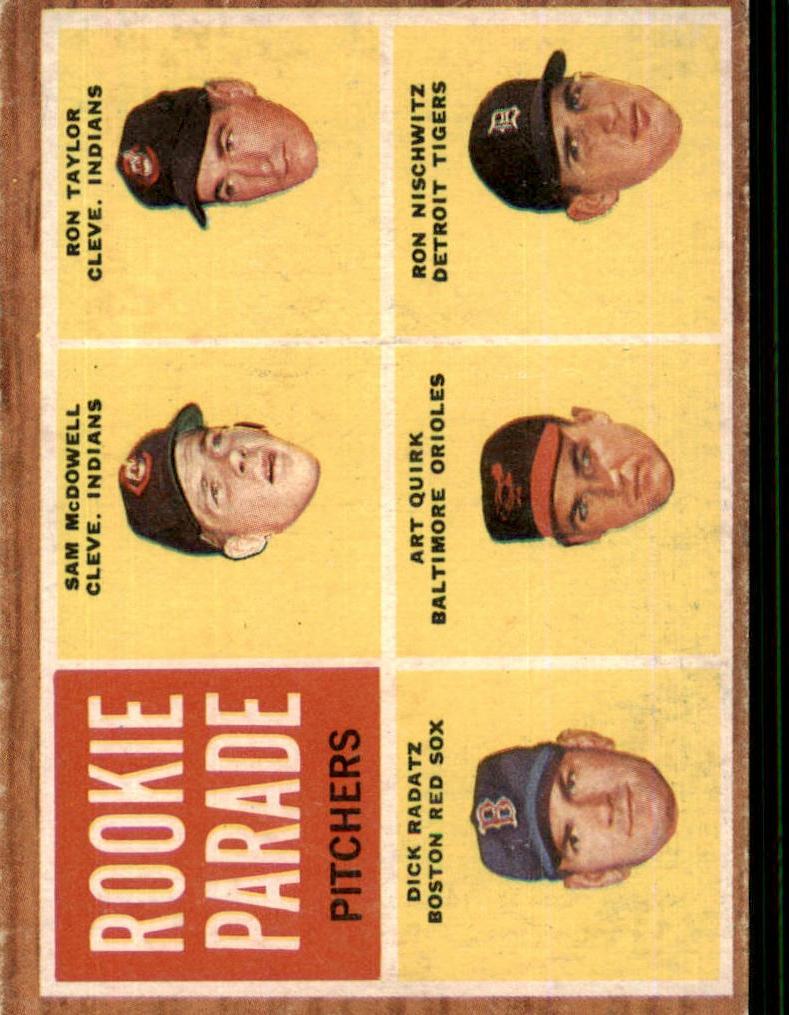
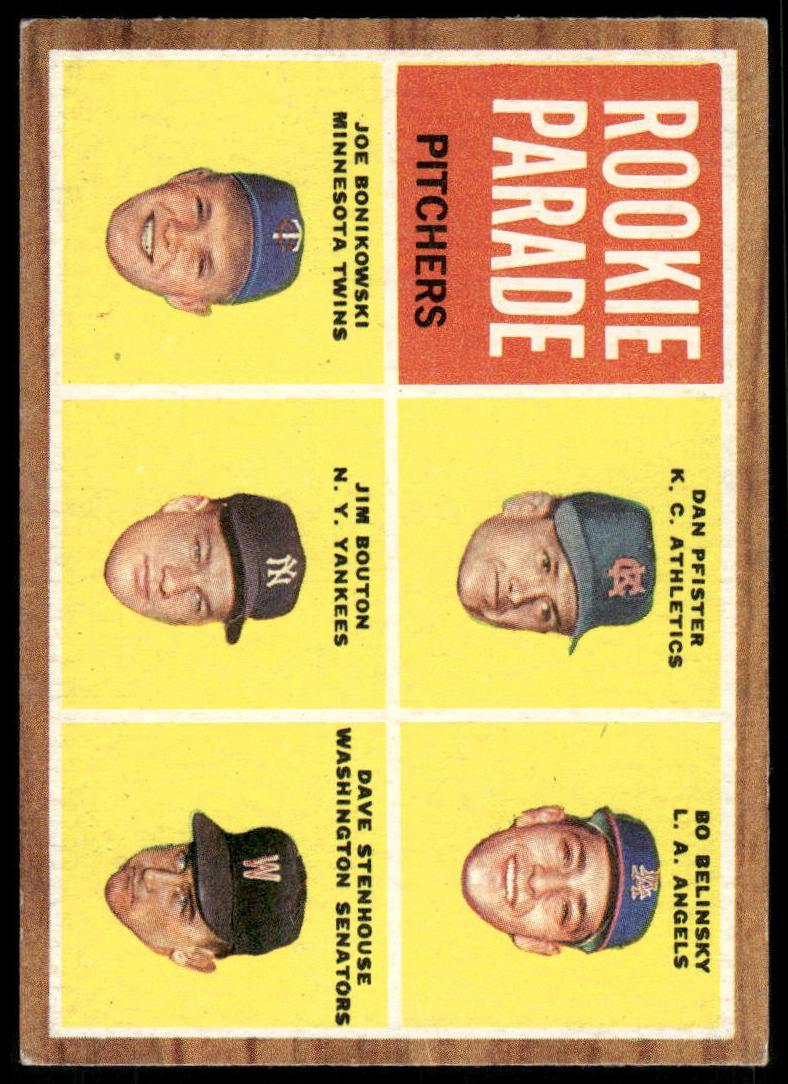
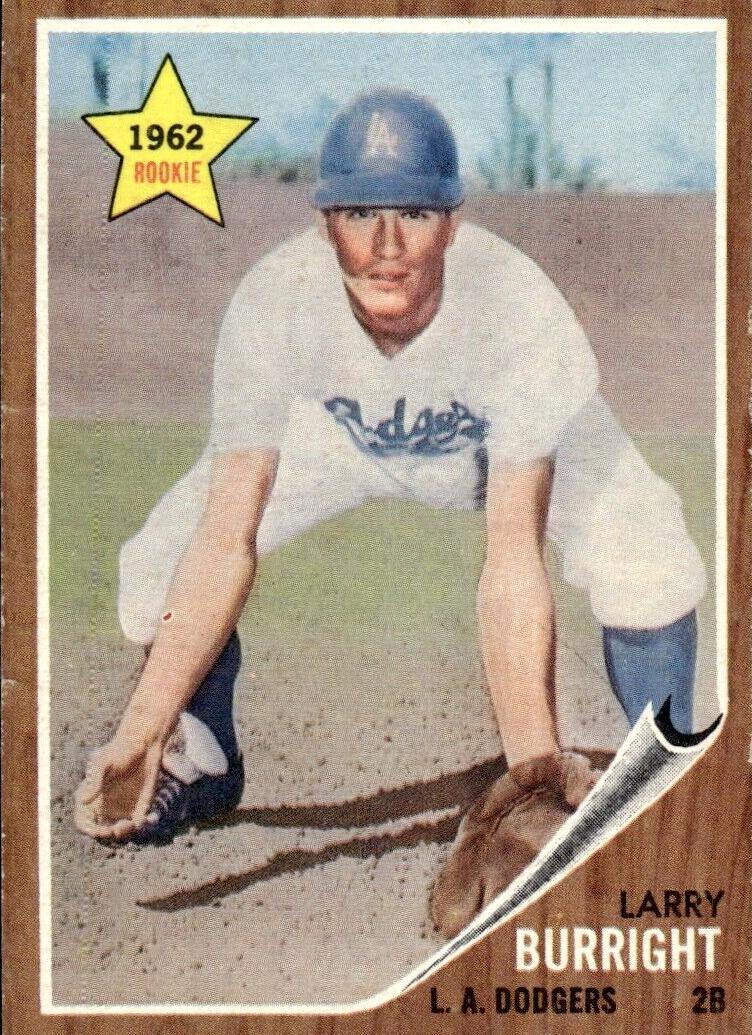
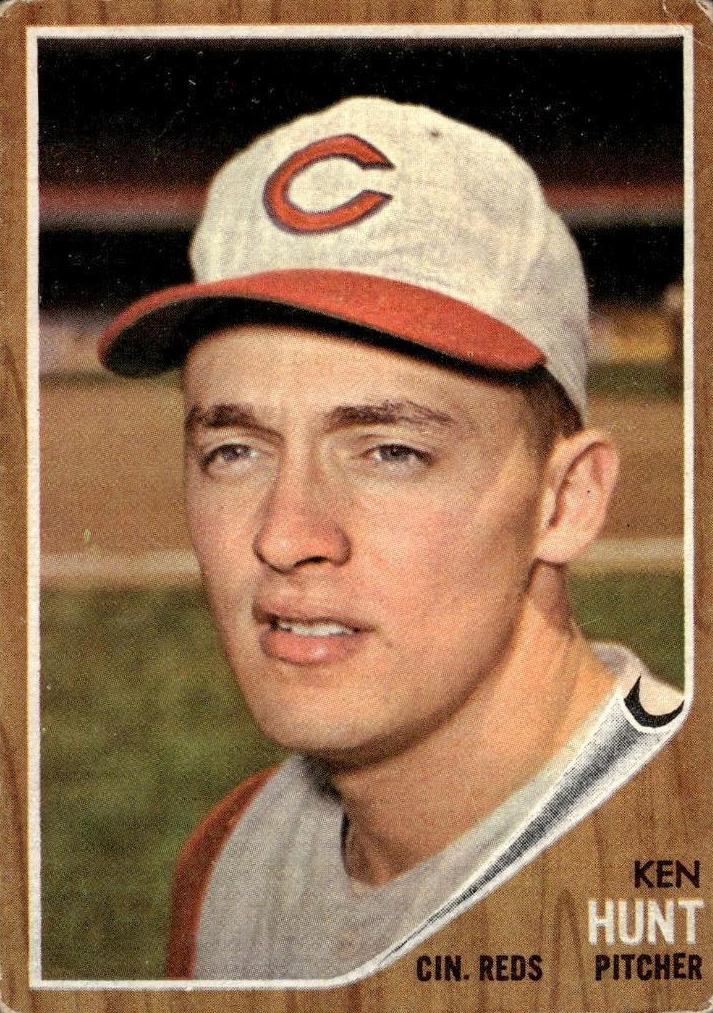
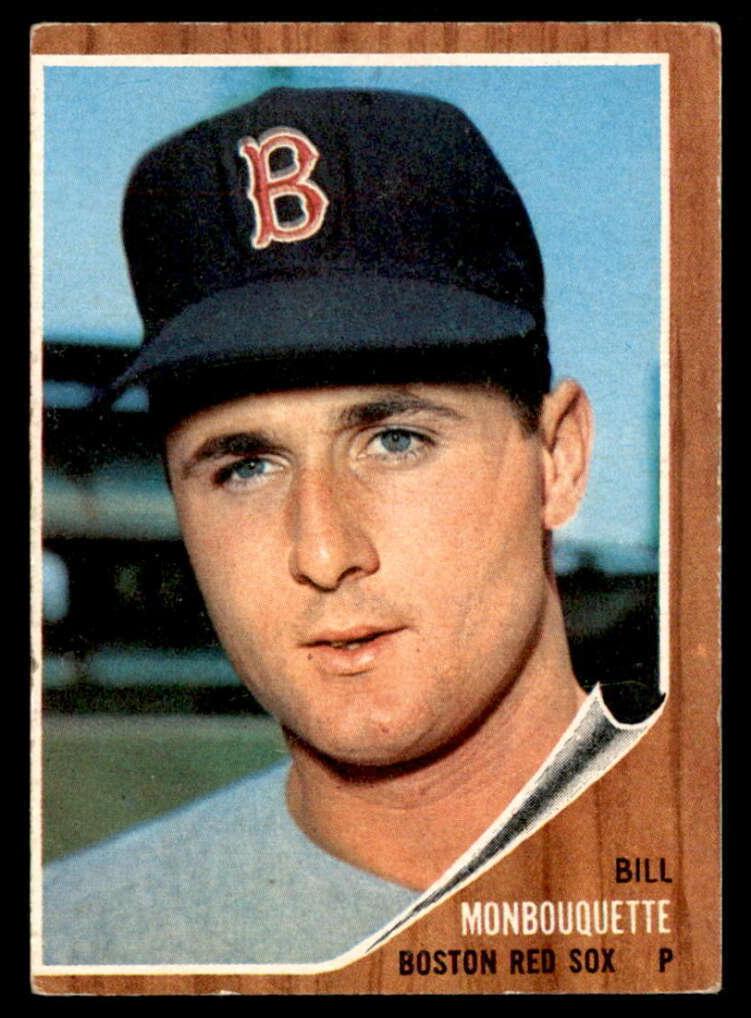
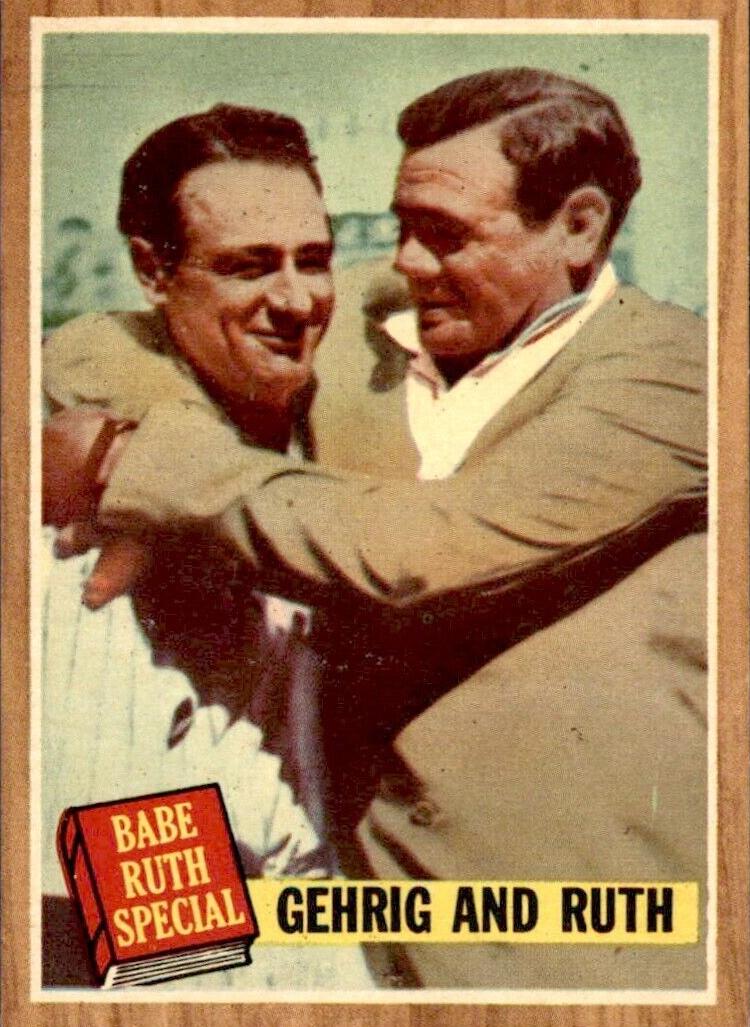
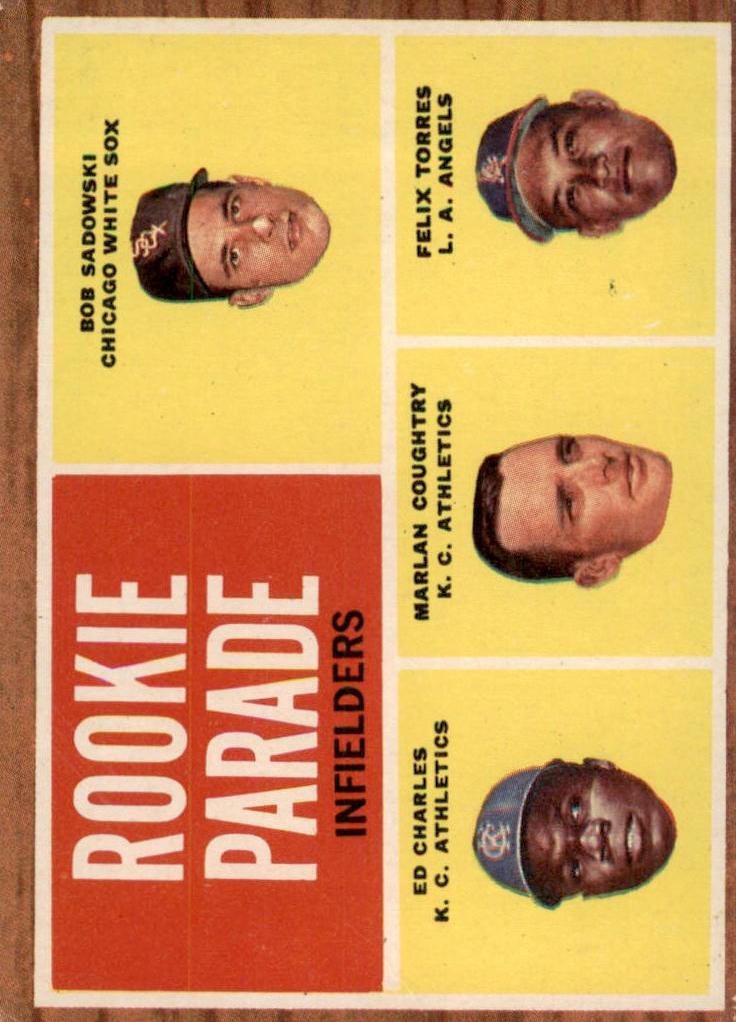
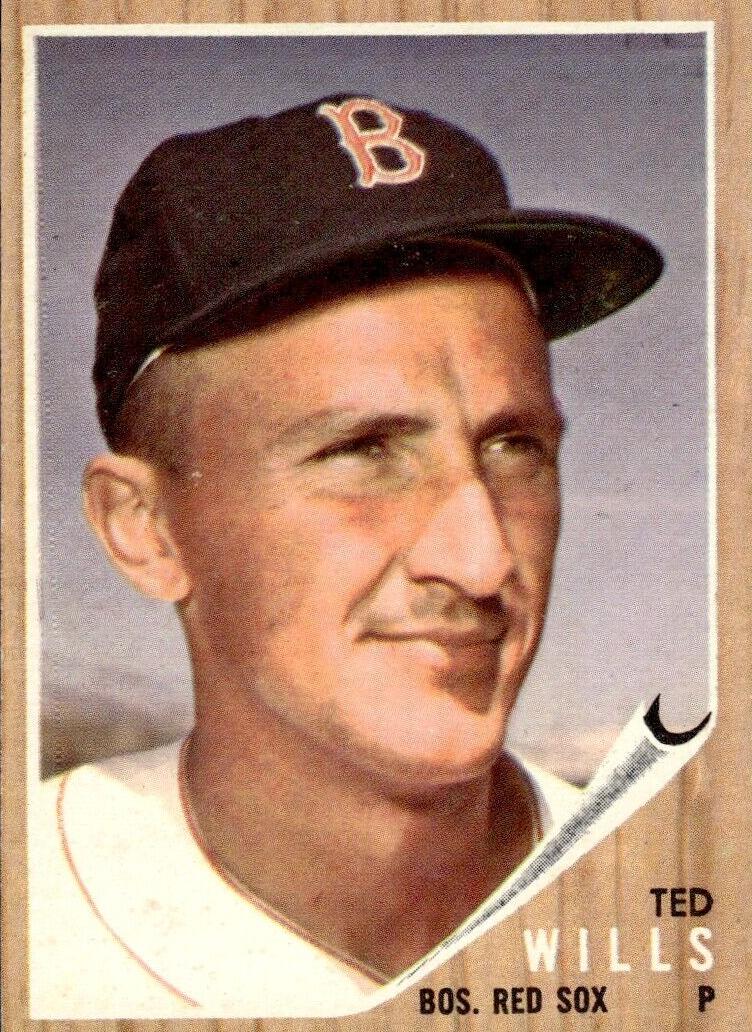
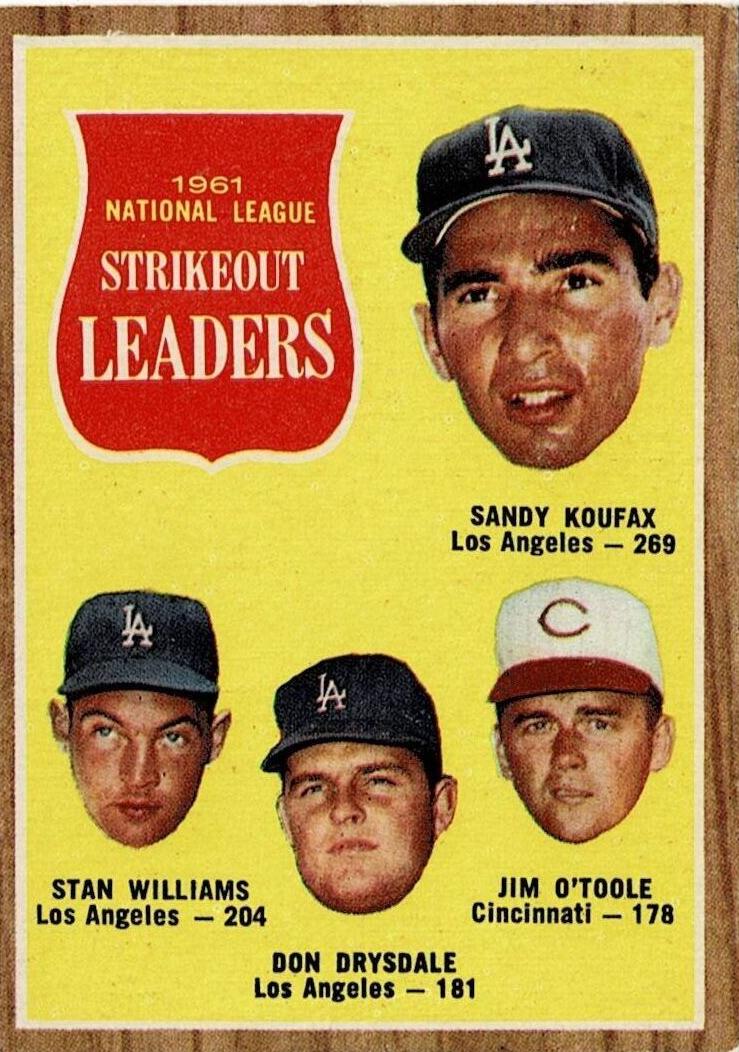
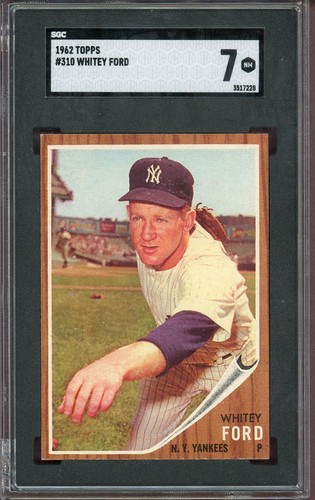
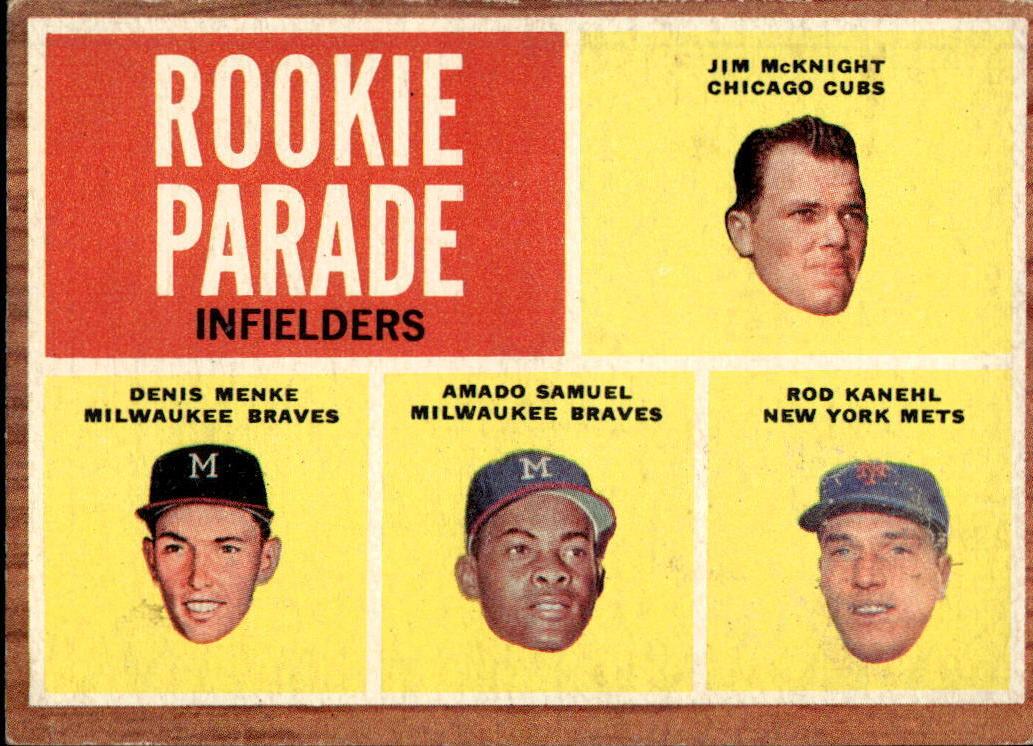
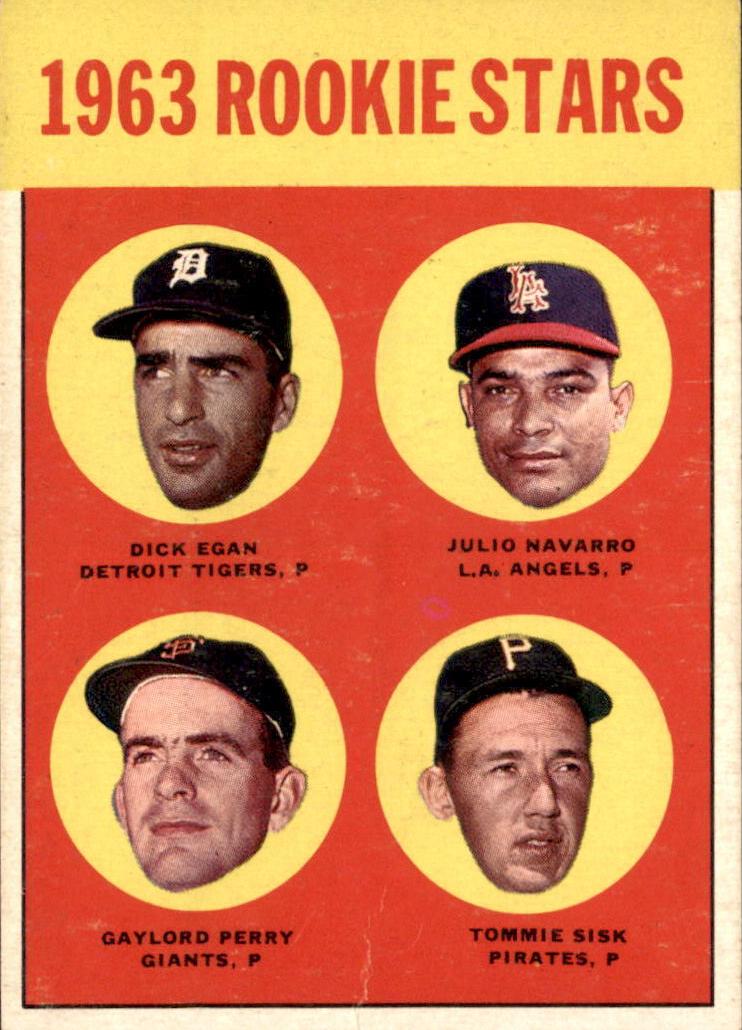
The wood-grain border set — 598 cards styled like a framed photograph, an design echoed decades later by 1987 Topps. It carries Mantle and Maris coming off the 1961 season and a rookie parade led by Gaylord Perry and Lou Brock.
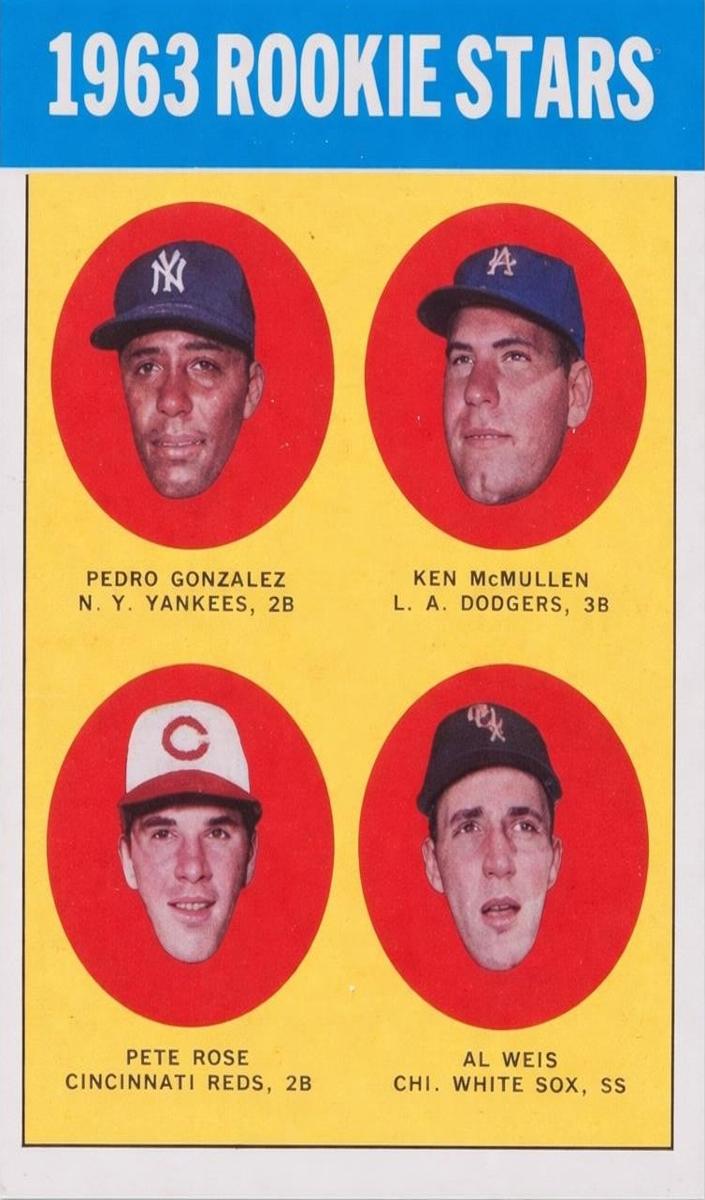
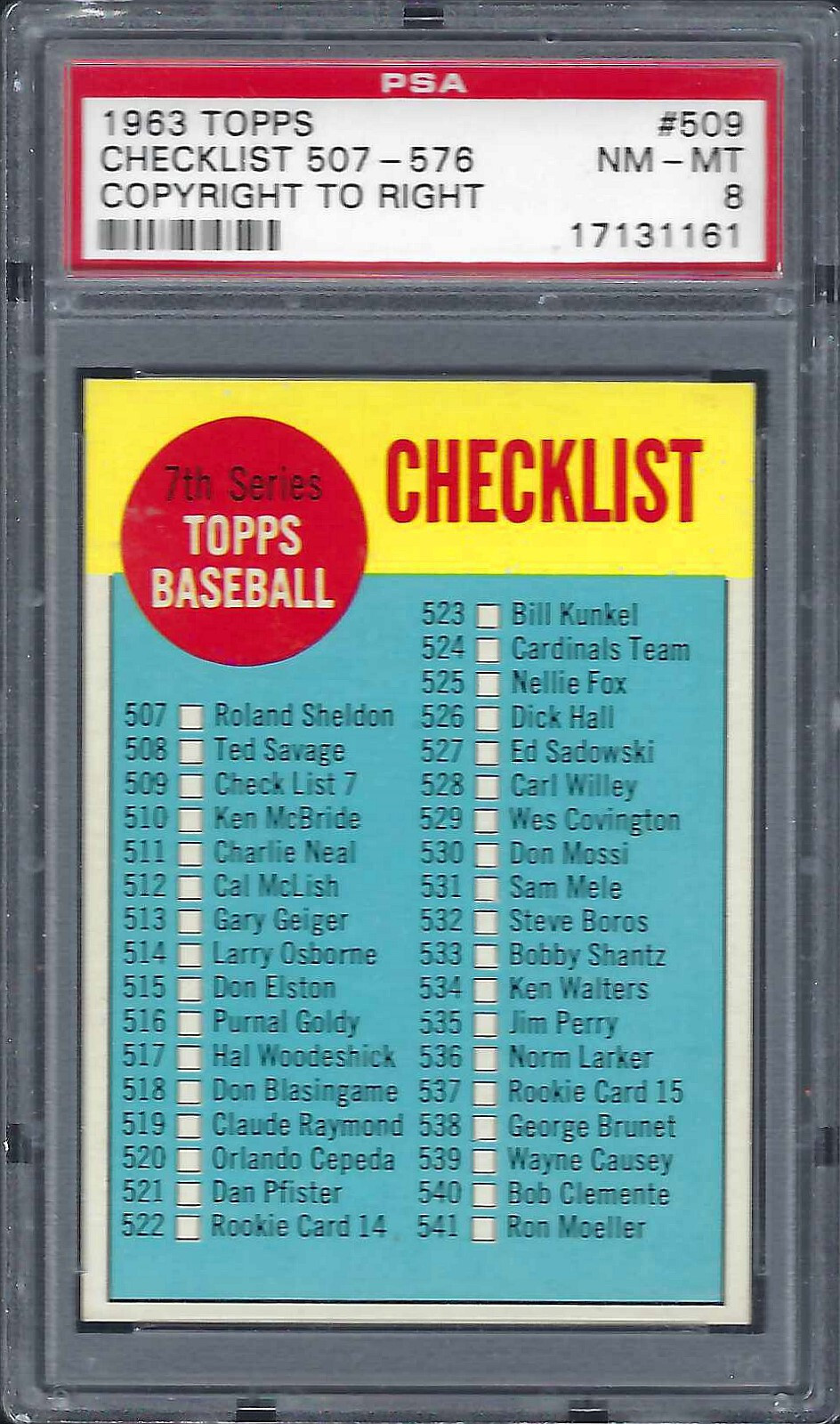
A 576-card dual-image design with a color photo above and a tinted portrait circle below. Its towering key is #537: the rookie card Pete Rose shares with three other players.
A bright, simple 587-card design with large team lettering. The Pete Rose second-year card and rookie cards of Phil Niekro and Tony Conigliaro lead it, and its "Giant" oversized parallel issue remains popular.
The pennant-flag design — 598 cards considered among Topps' best-looking of the decade. Joe Morgan and Steve Carlton rookies anchor it, alongside Mantle's iconic card from his final MVP-caliber season.
A straightforward 598-card design whose difficulty lies almost entirely in its brutally short-printed high-number series, including the Gaylord Perry and Willie McCovey cards collectors hunt for decades.
A clean, borderless-photo design across 609 cards — the largest set Topps had made — with the Rod Carew and Tom Seaver rookies as its pillars. Its high numbers are among the toughest of the sixties.
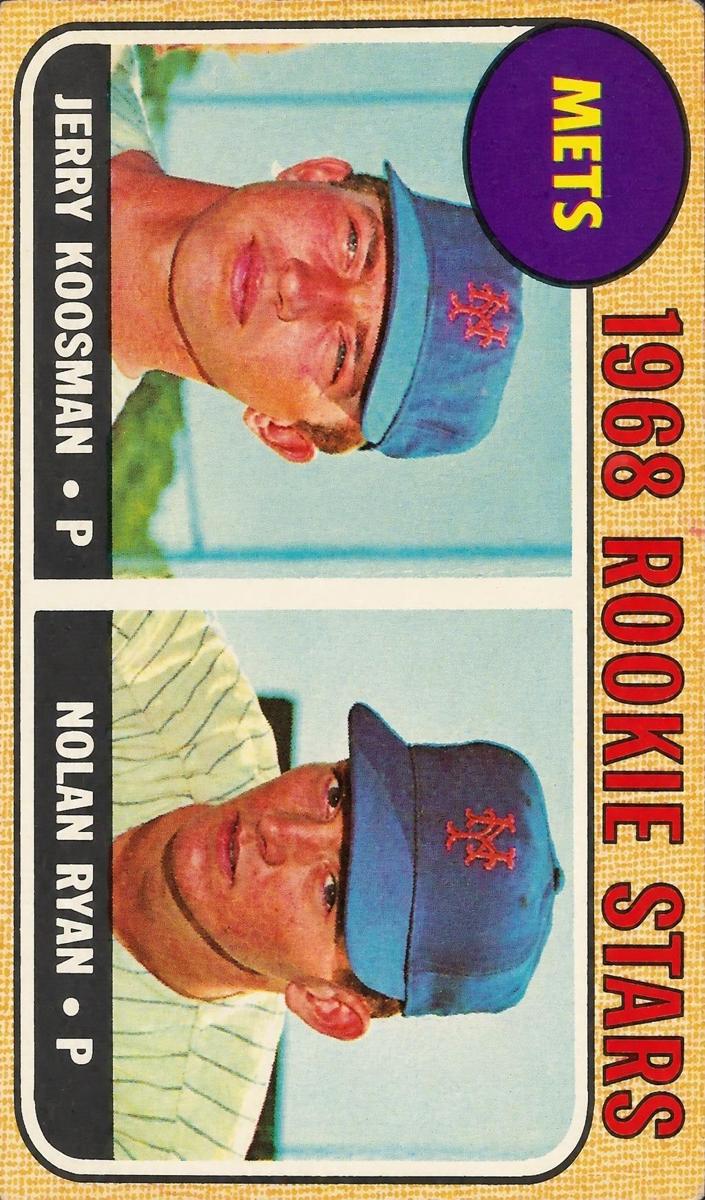
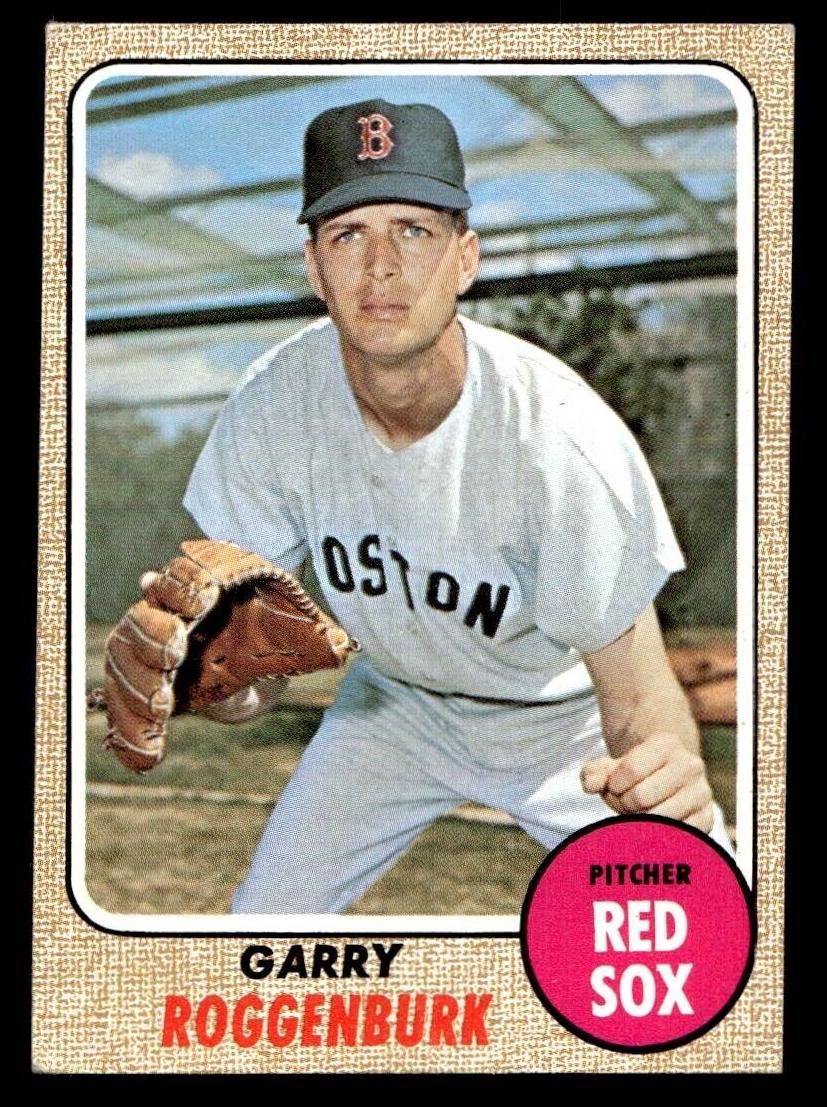
The burlap-texture border set, 598 cards including the Nolan Ryan/Jerry Koosman rookie (#177) and Johnny Bench's rookie card — two of the most significant cards of the entire decade in one checklist.
A 664-card set produced during a photo-shortage year that forced Topps to reuse old and hatless portraits — creating famous variations like the white-letter names. Reggie Jackson's rookie (#260) and Mantle's final card (#500) make it a landmark.
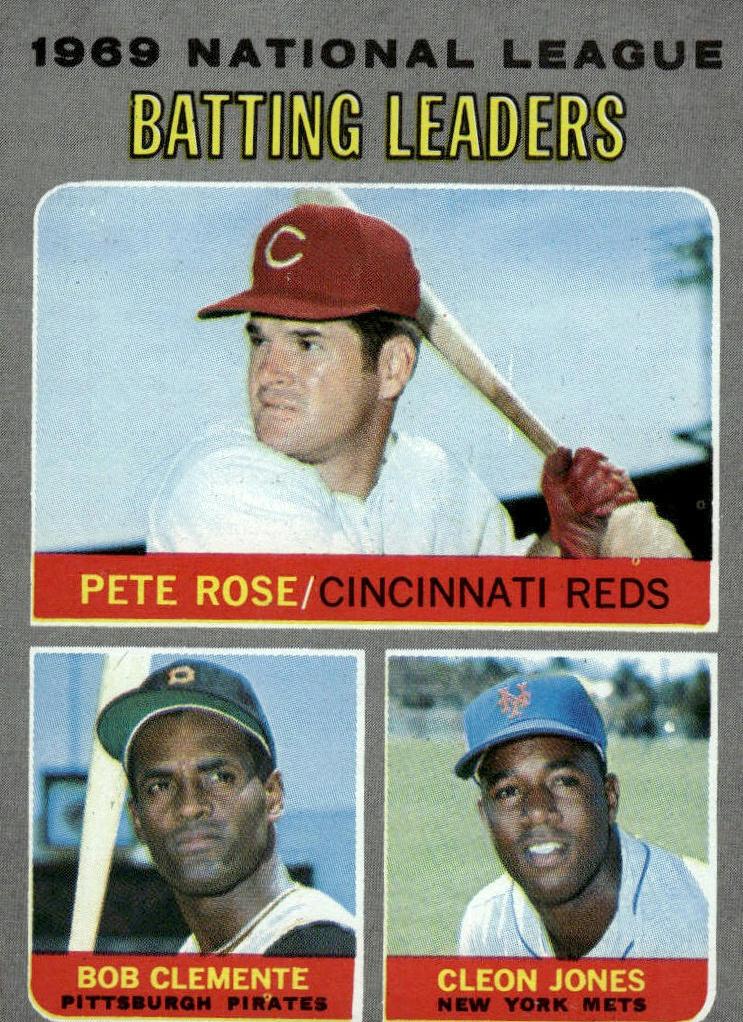
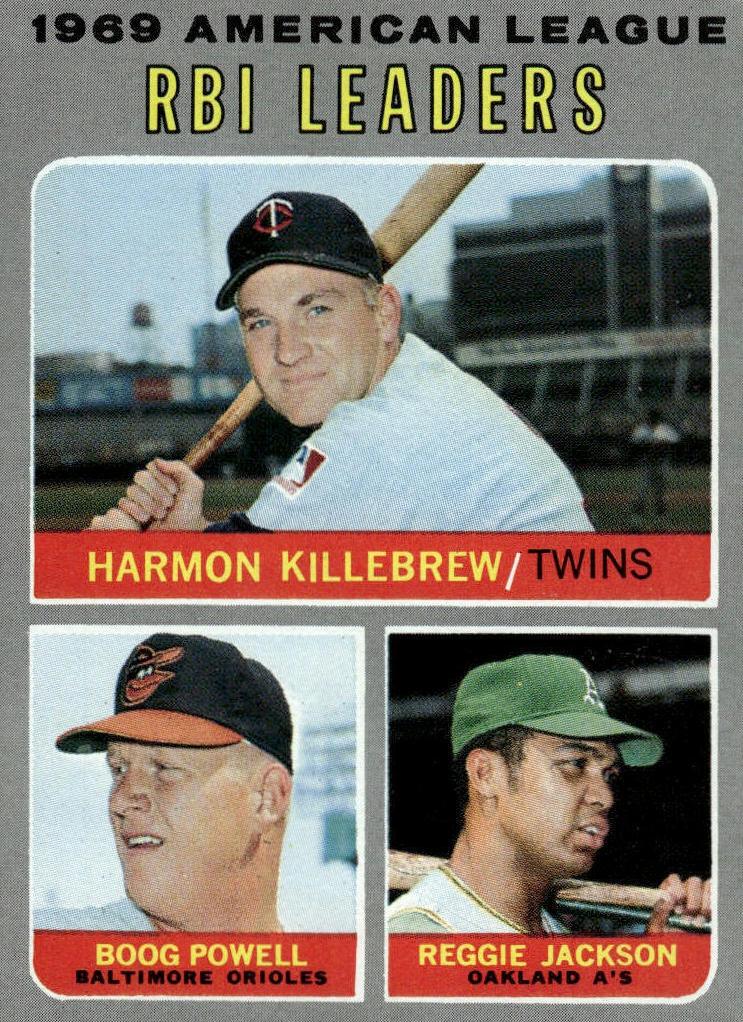
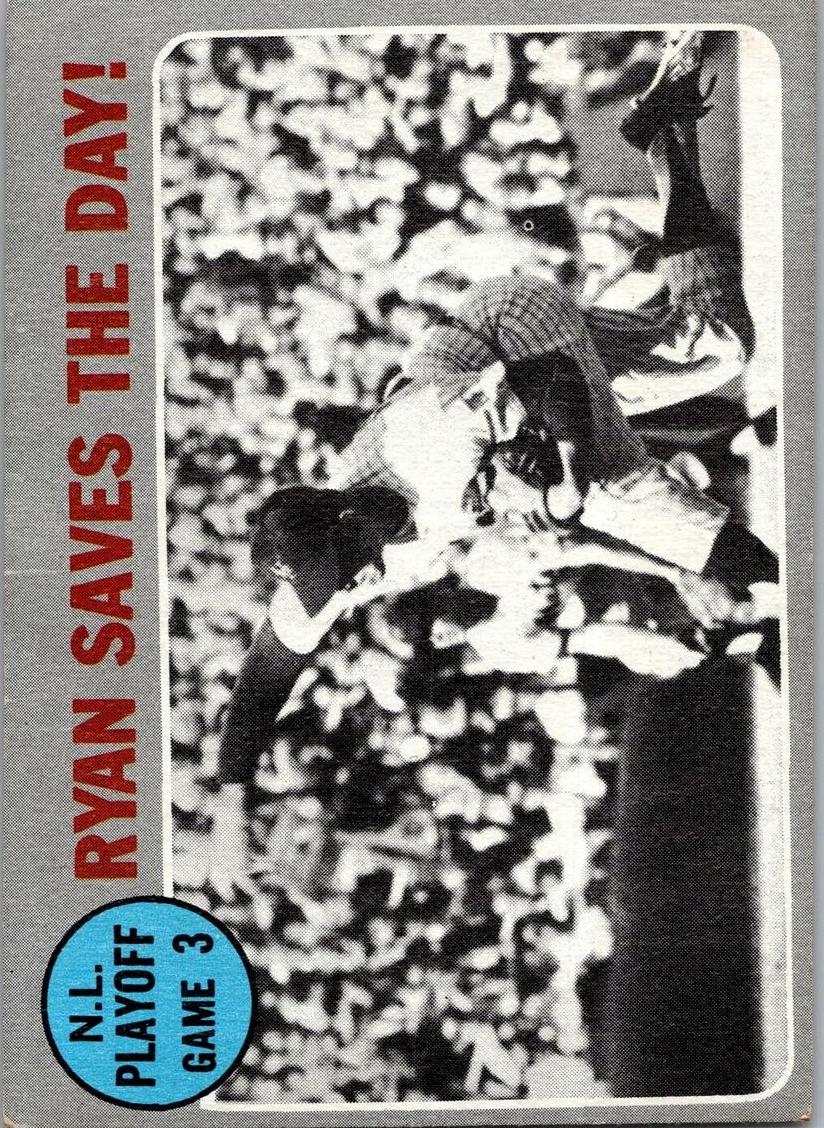
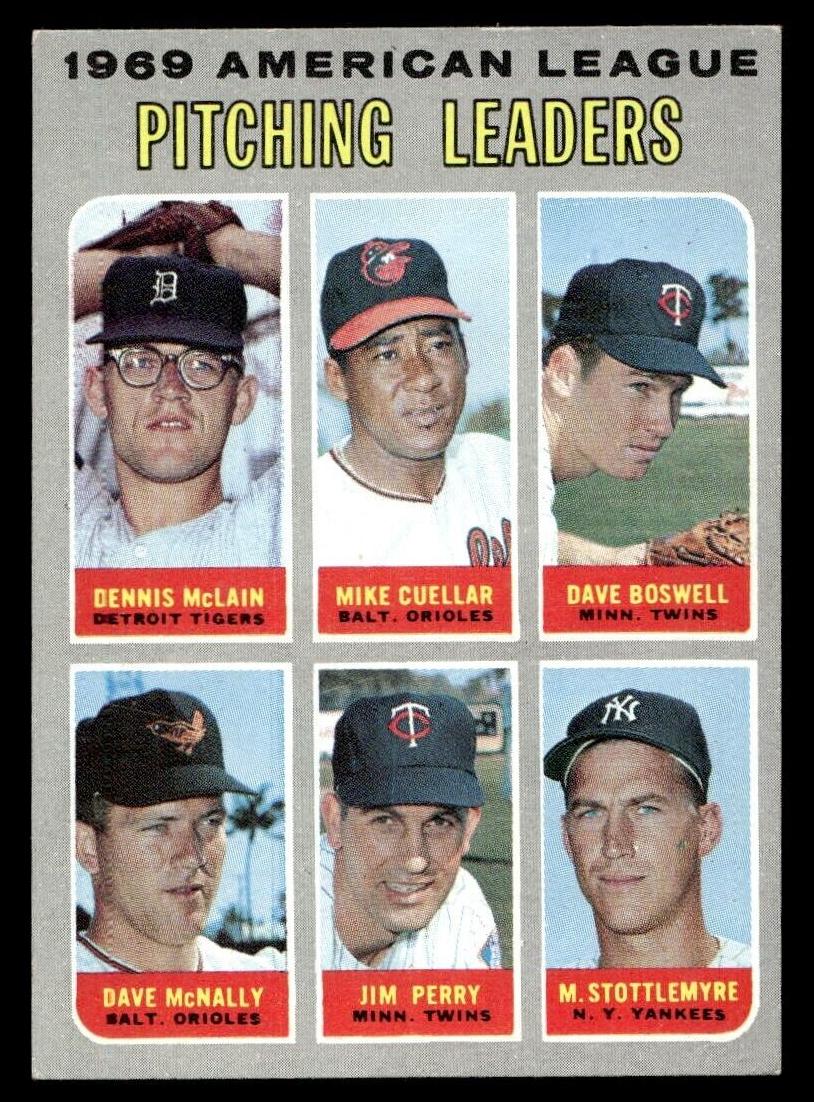
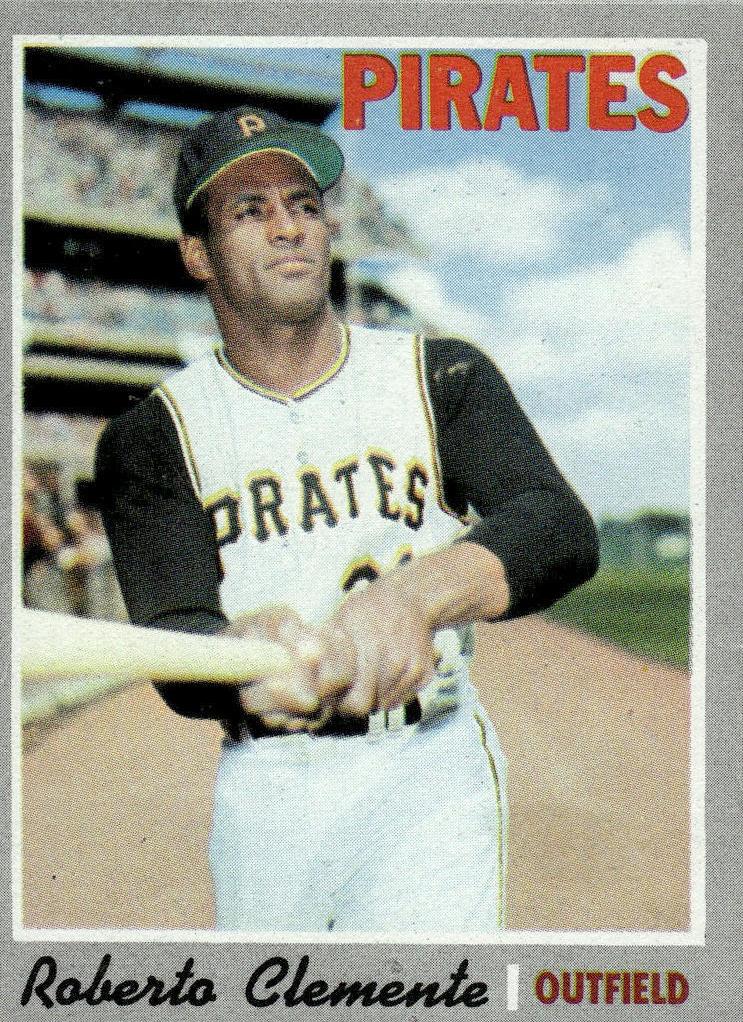
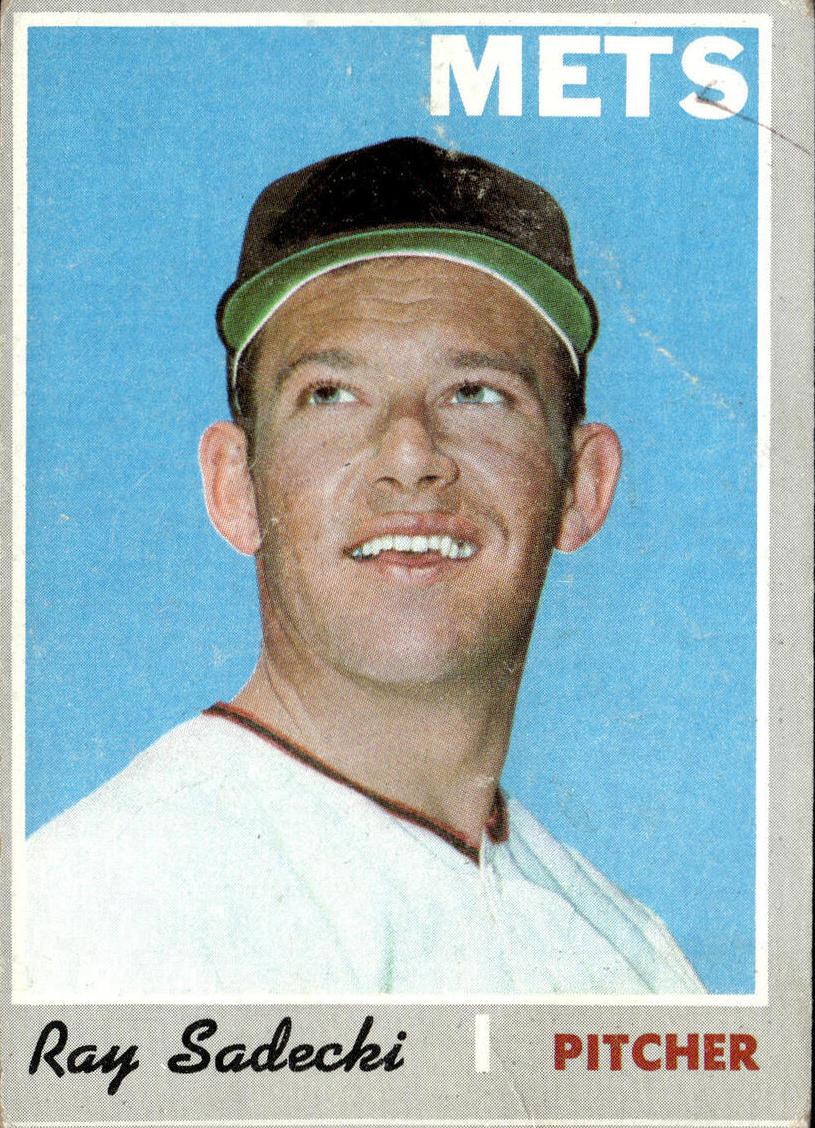
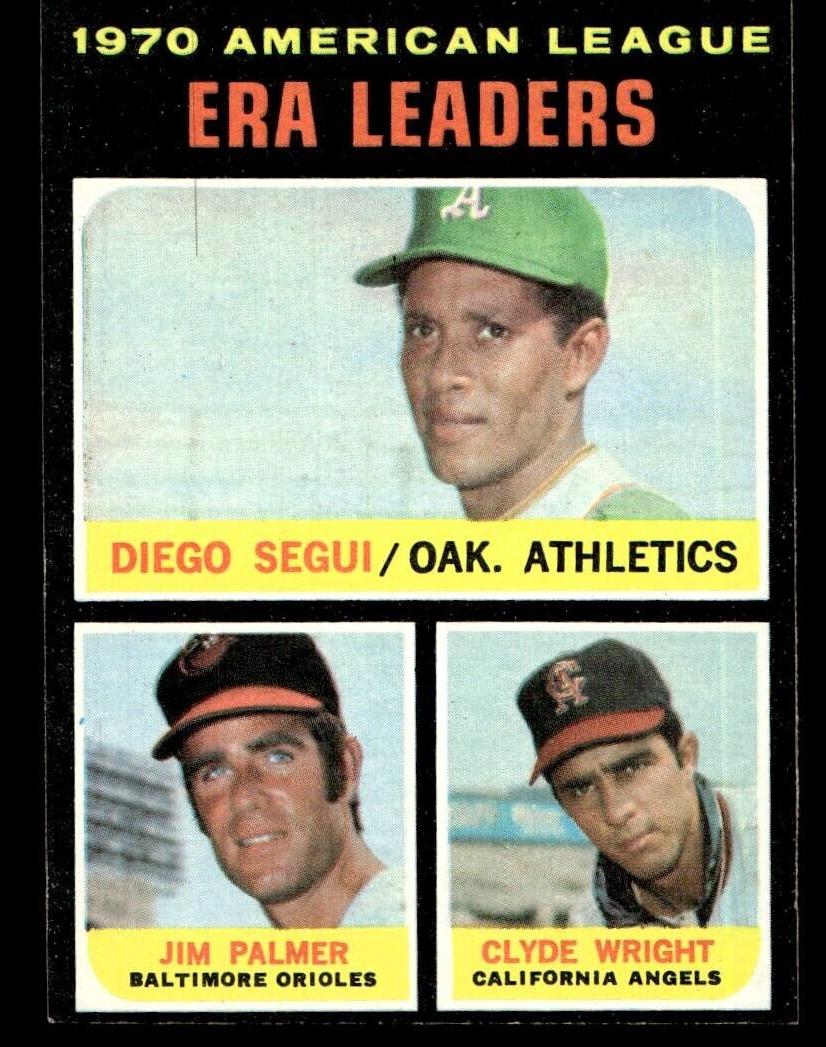
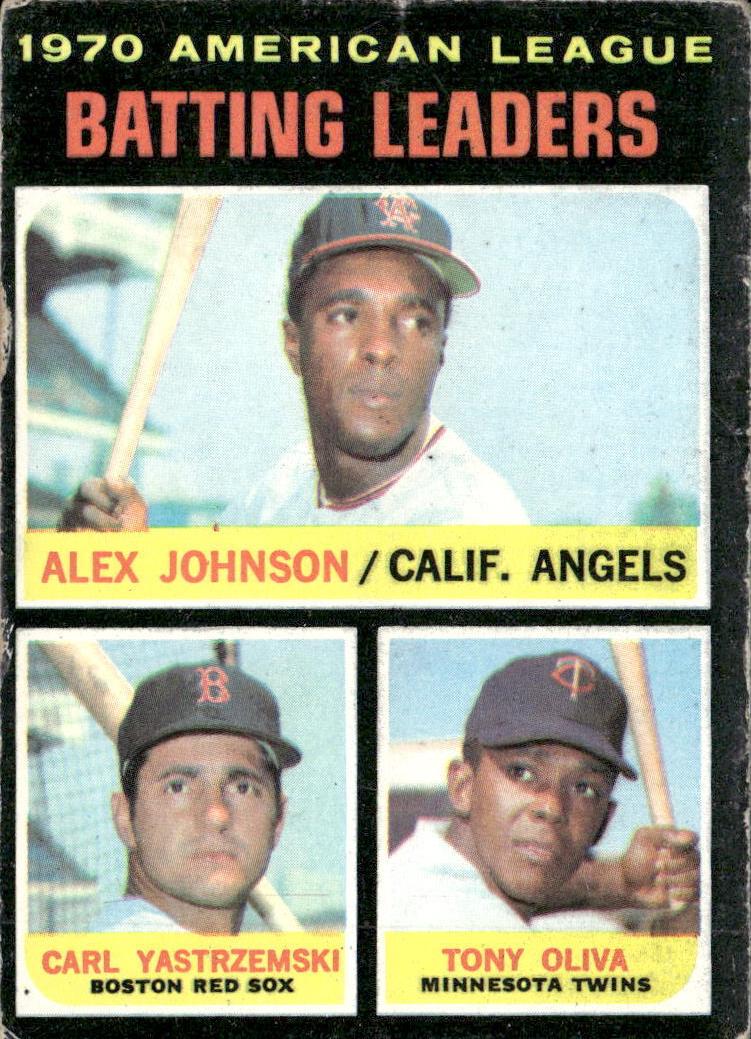
The gray-border set that closed the sixties era: 720 cards, then the largest issue ever. Thurman Munson's rookie and a strong Ryan/Bench/Clemente core carry it, with condition-sensitive gray borders punishing careless handling.



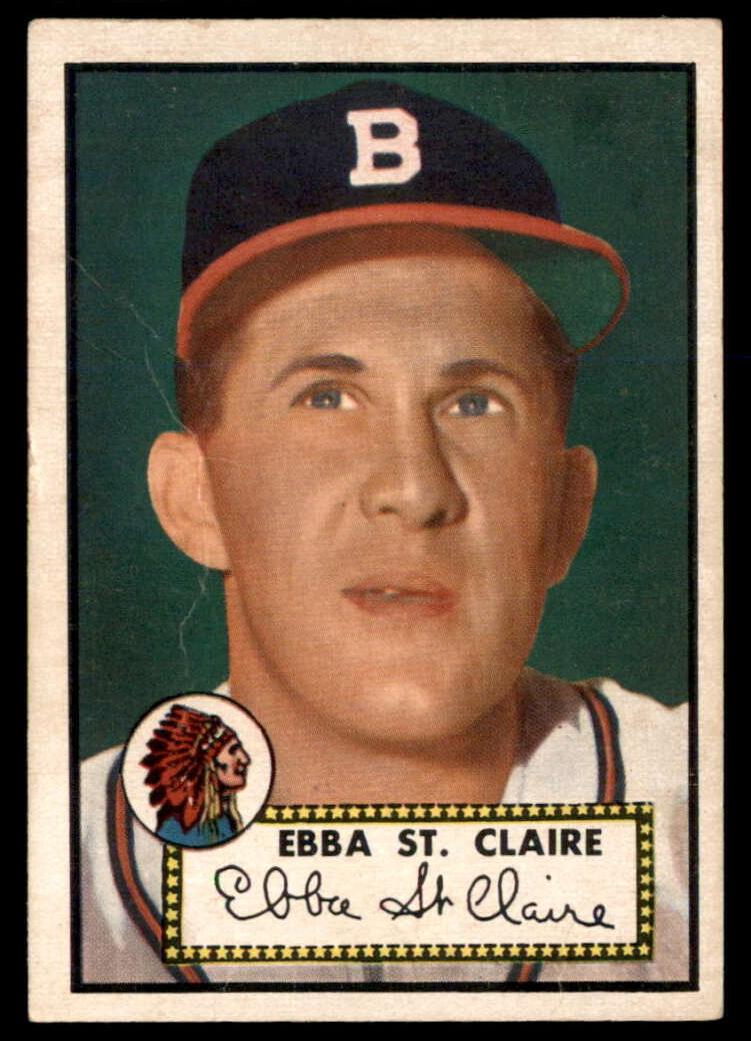
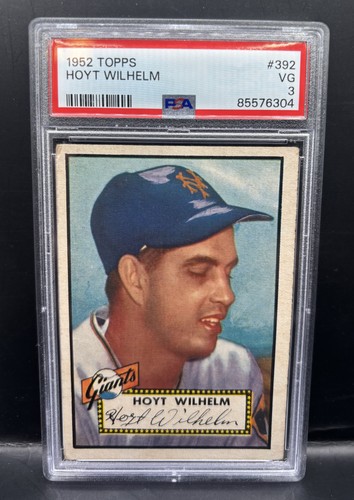
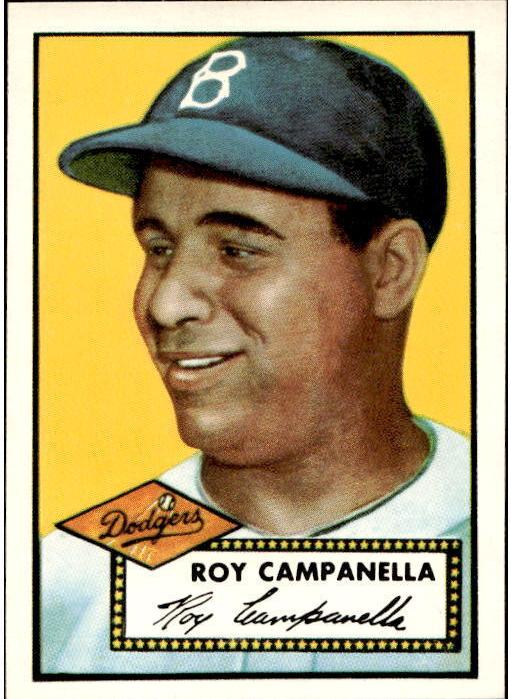
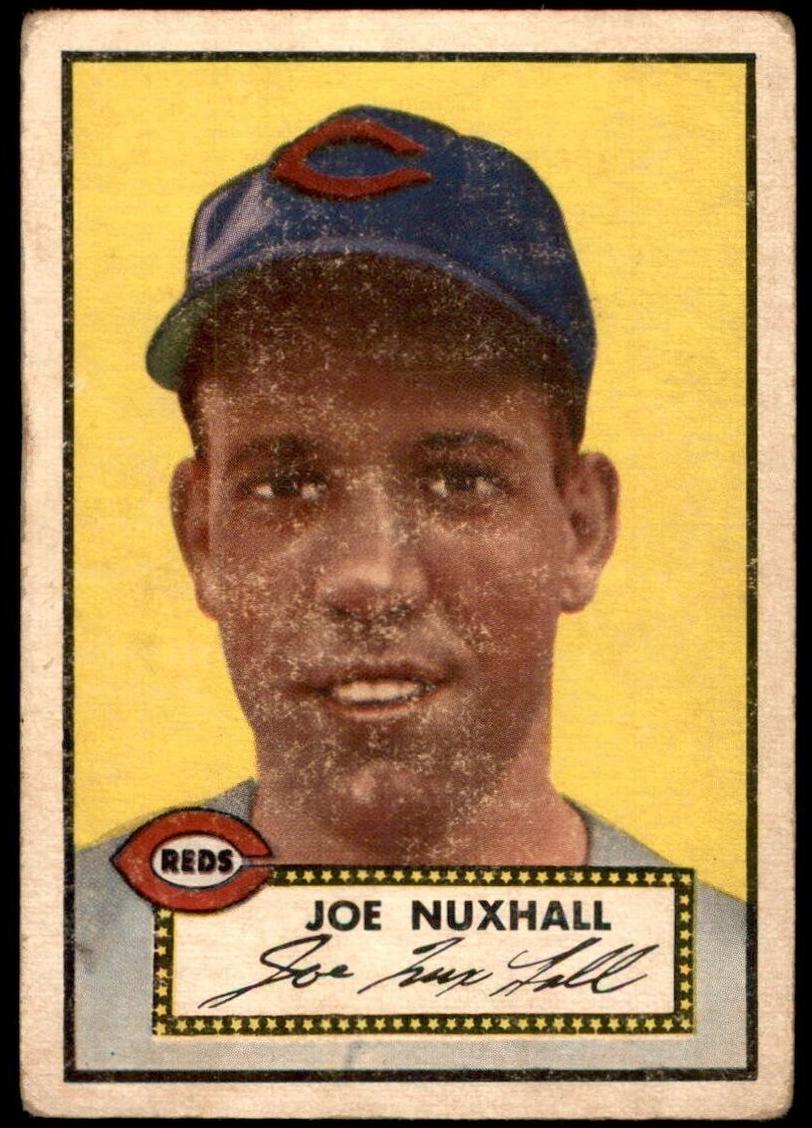






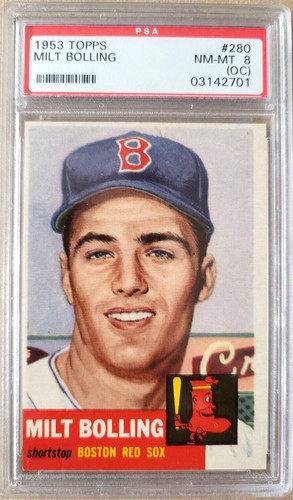
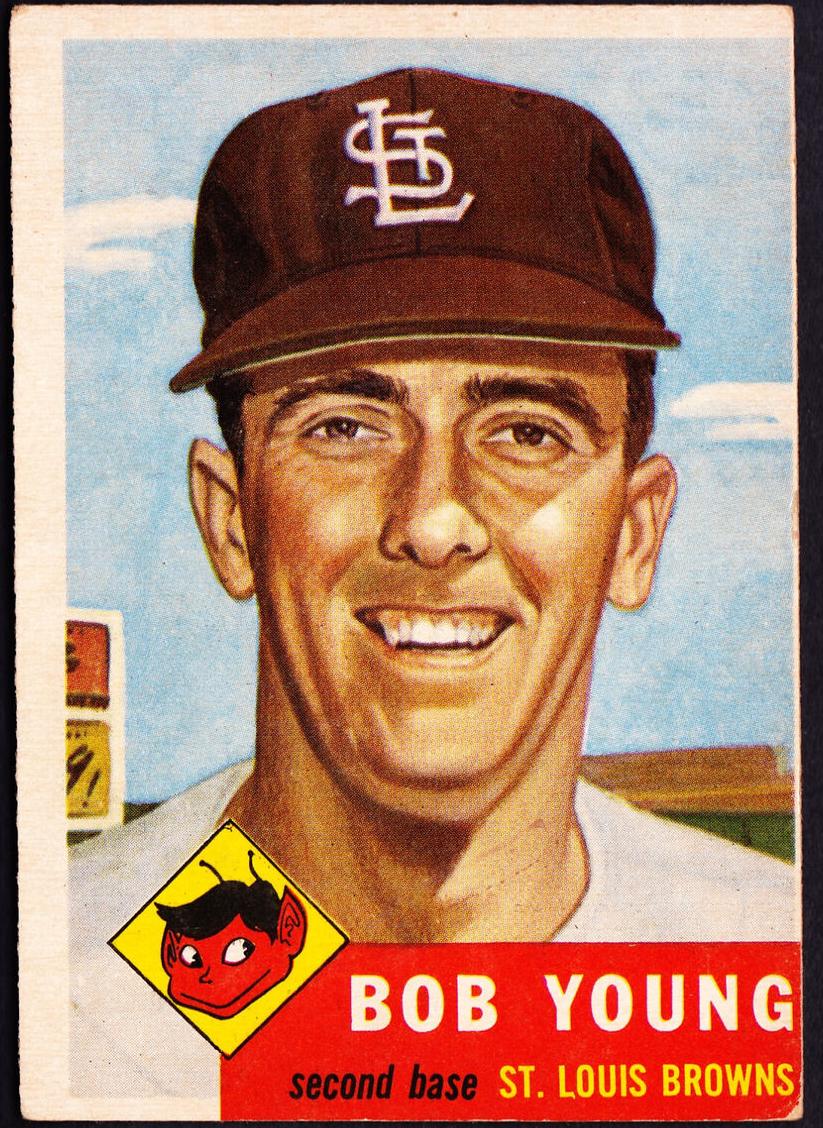
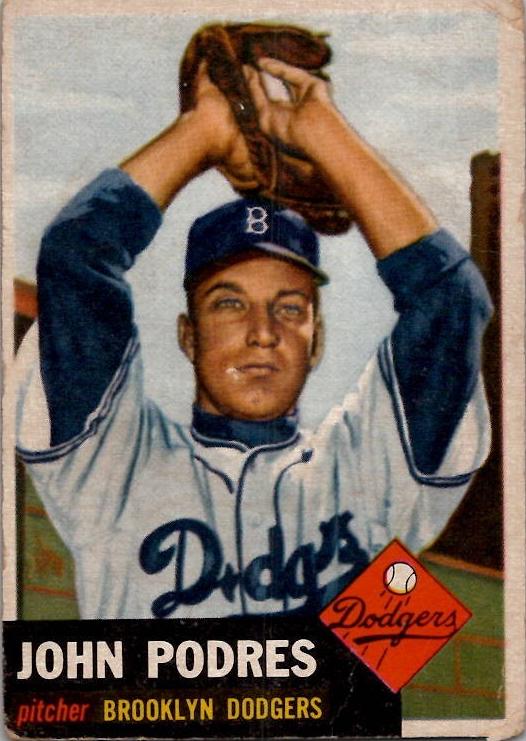
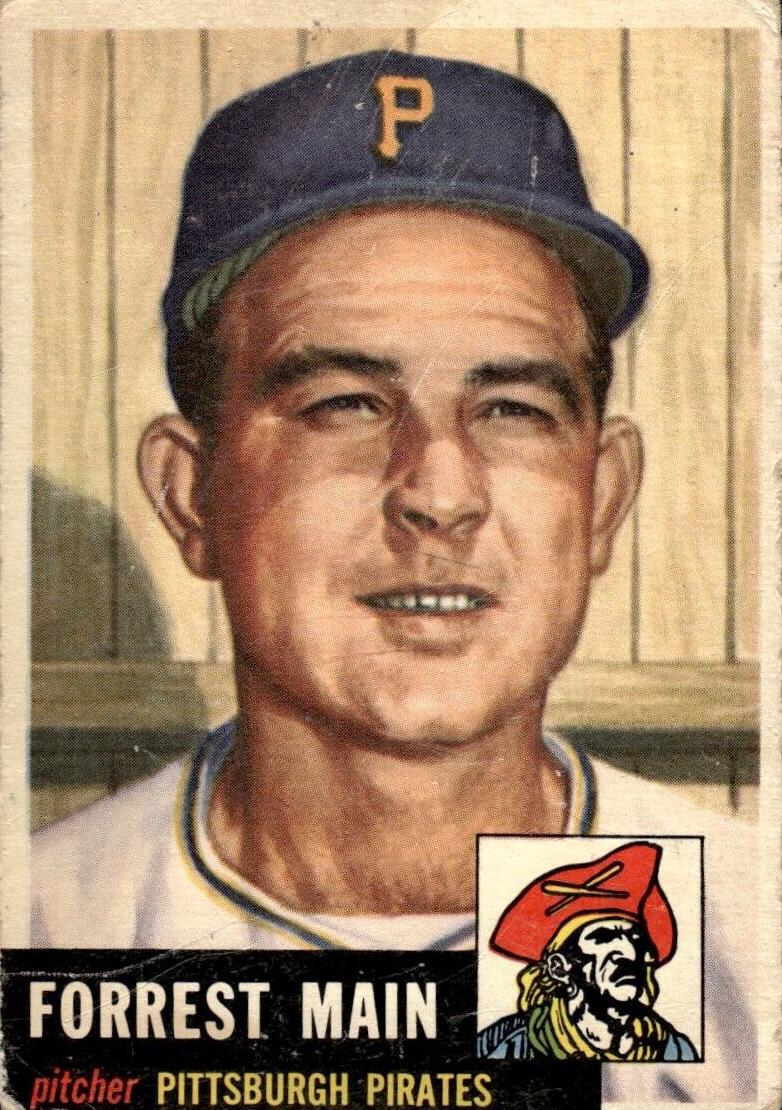










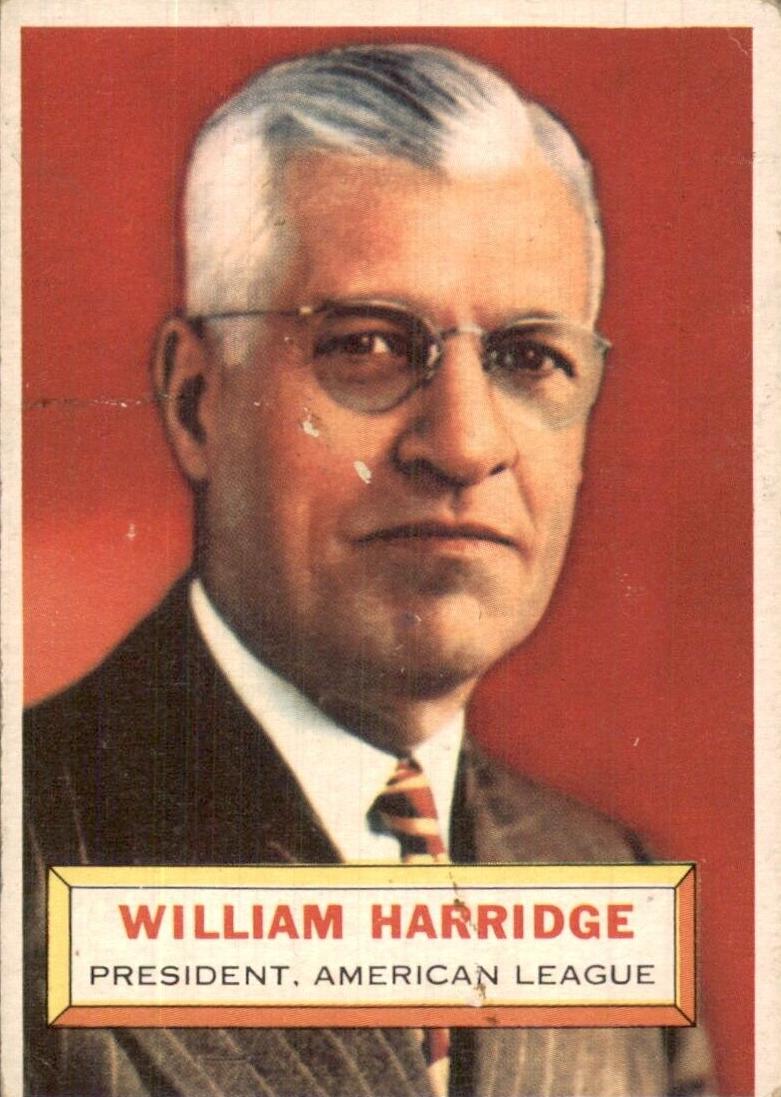
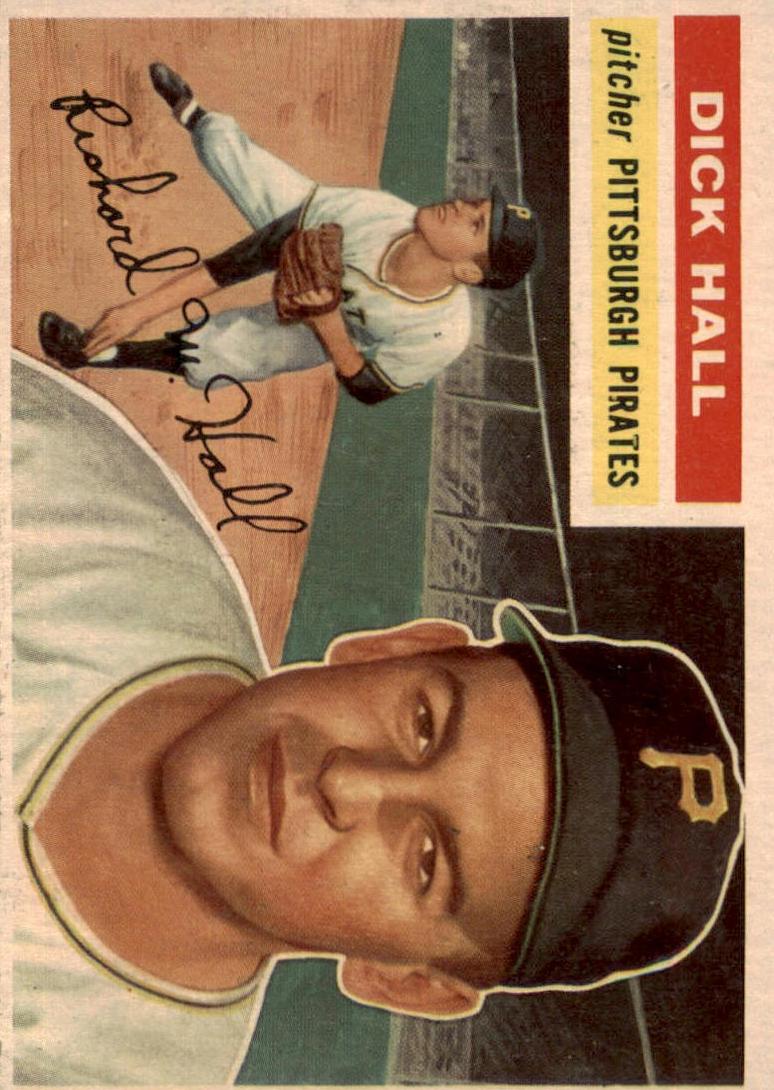
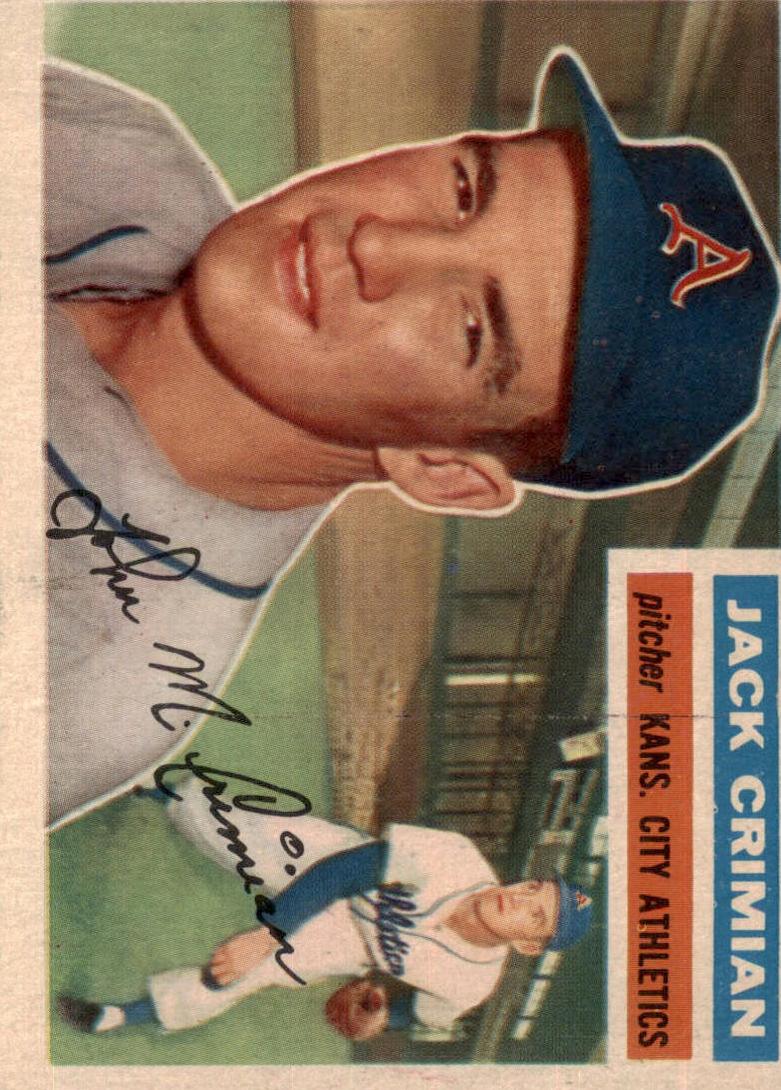


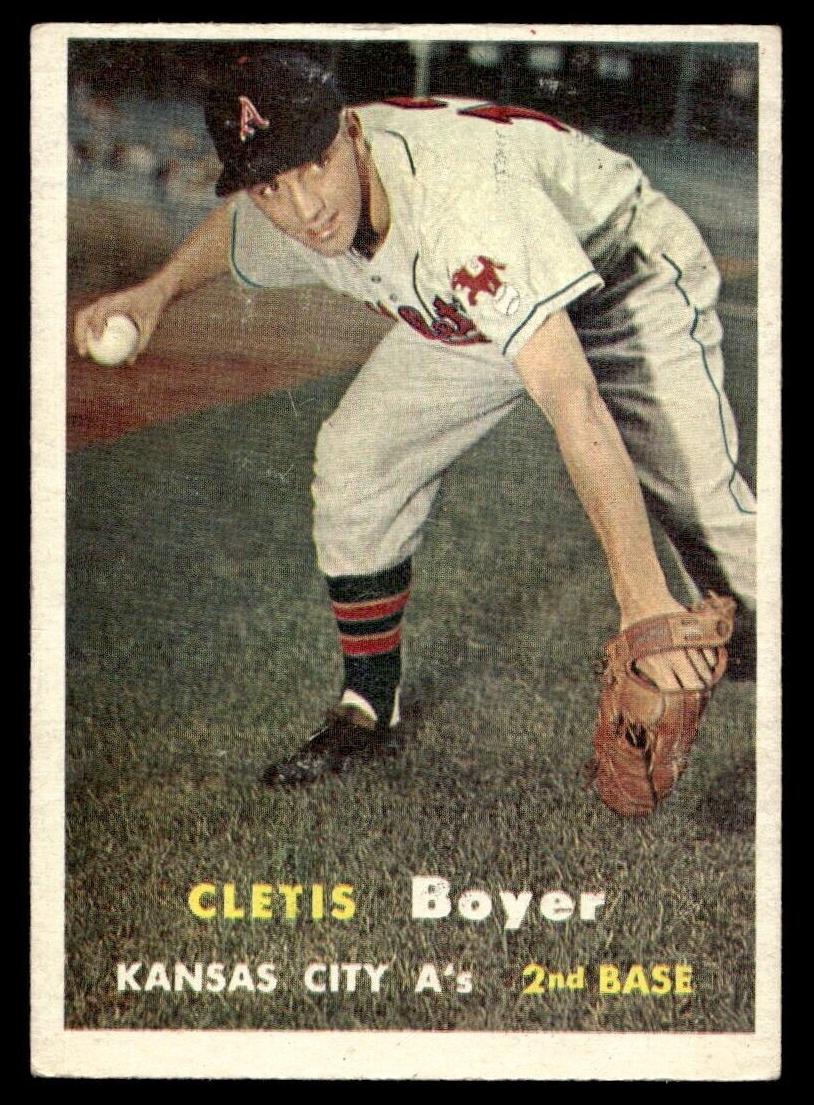
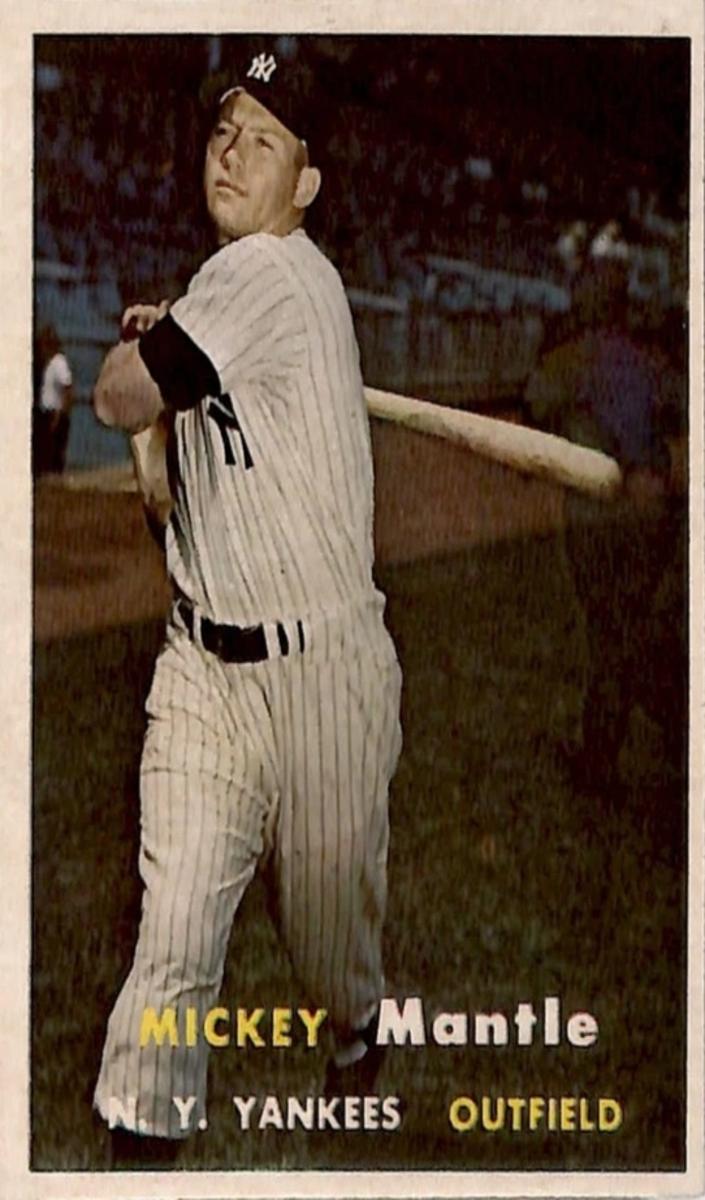

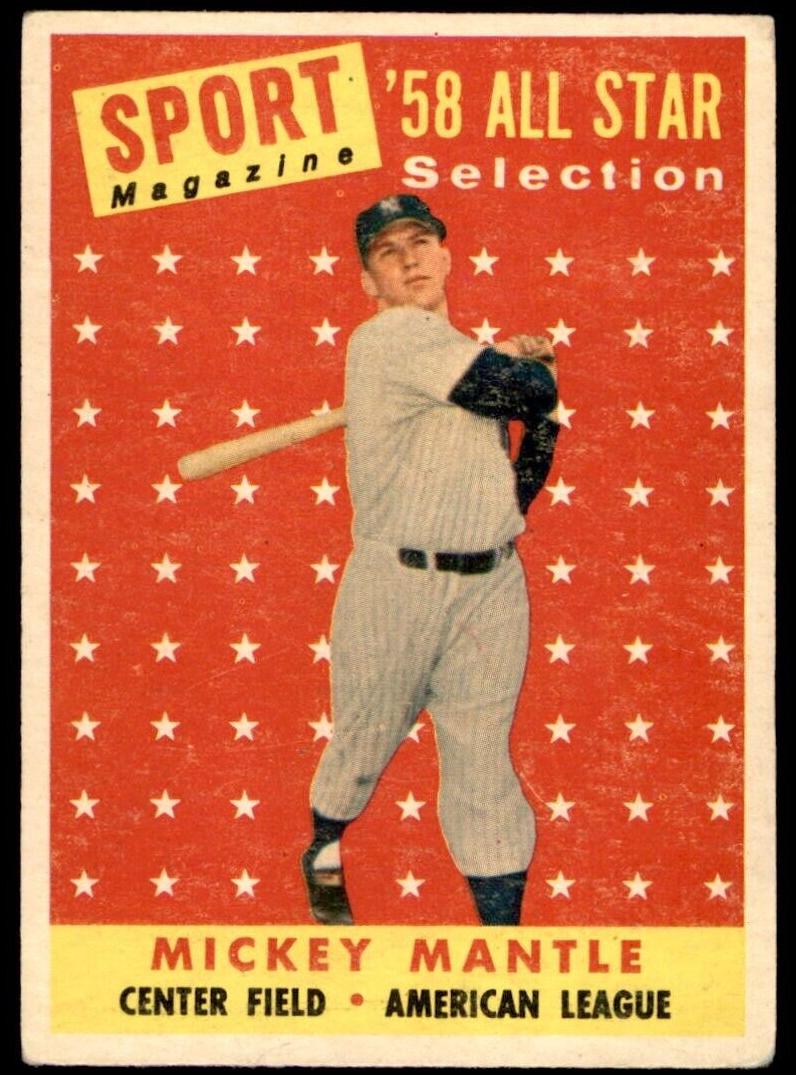

![1958 Roberto Clemente [White] #52](https://942284f33c575895b4be9de571ca6e40.cdn.bubble.io/d112/f1774129181402x724903685937761100/resize)
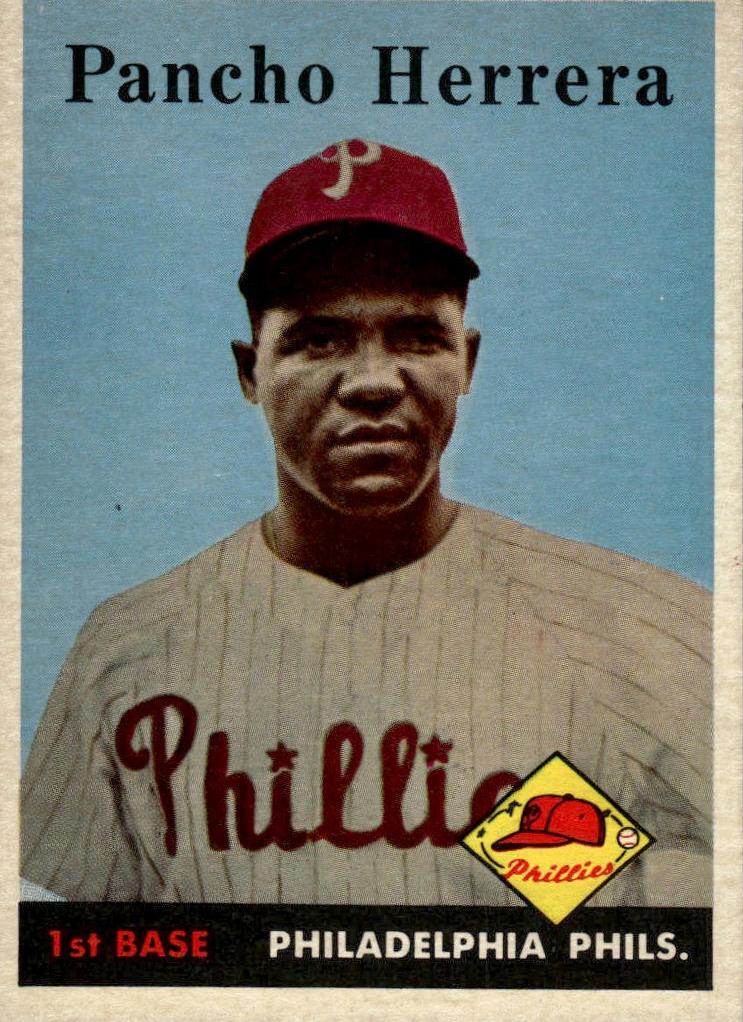
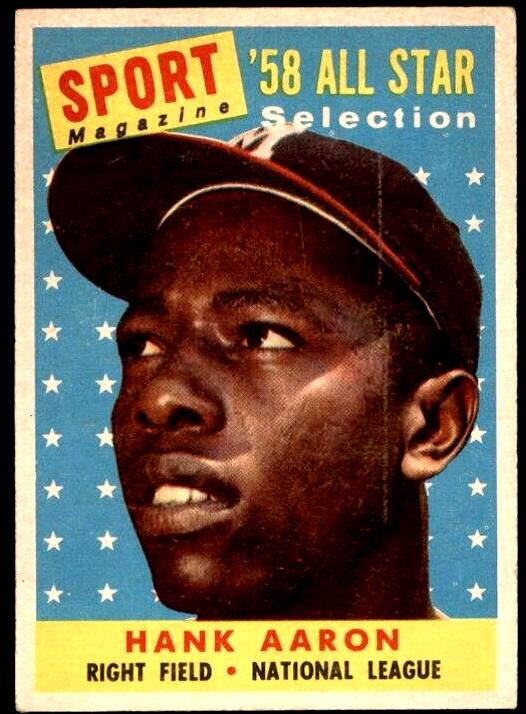
![1958 Hank Aaron [Yellow] #30](https://i.ebayimg.com/images/g/pJUAAeSwt4FqWnM7/s-l500.jpg)




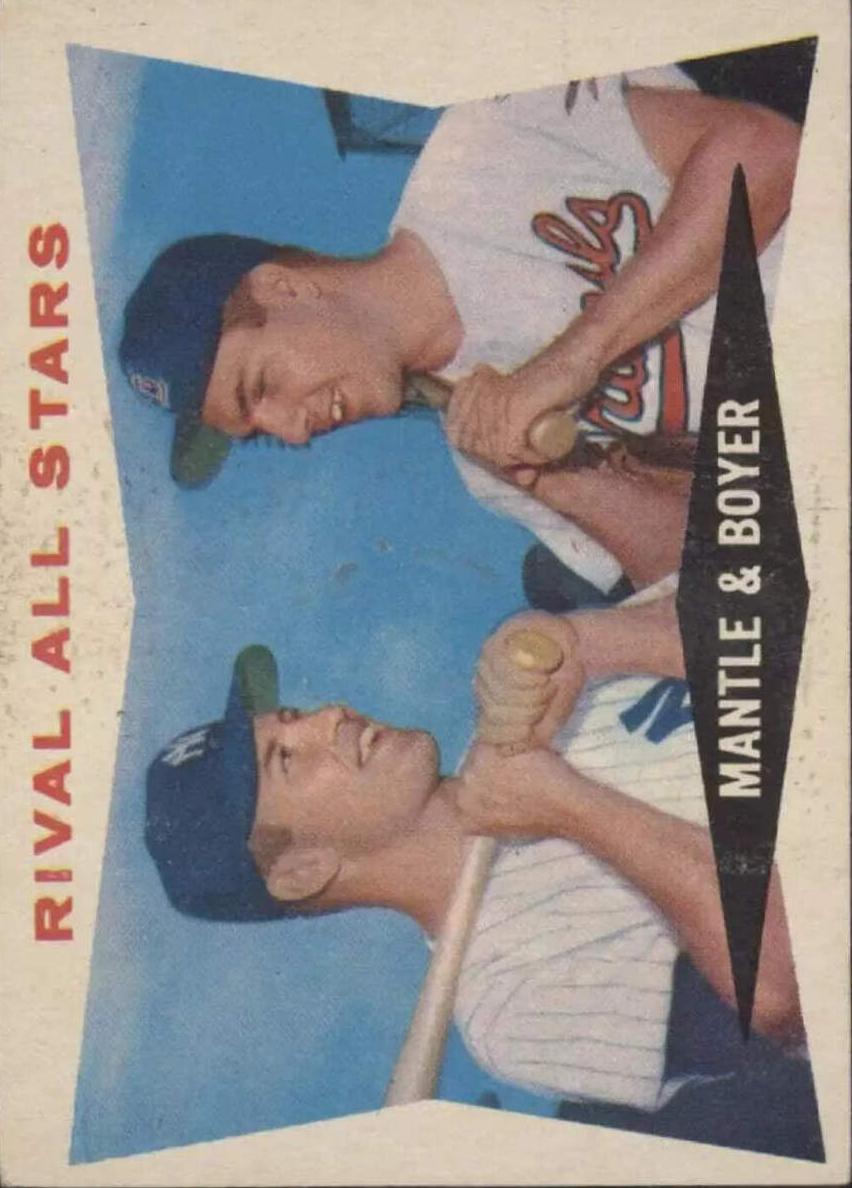
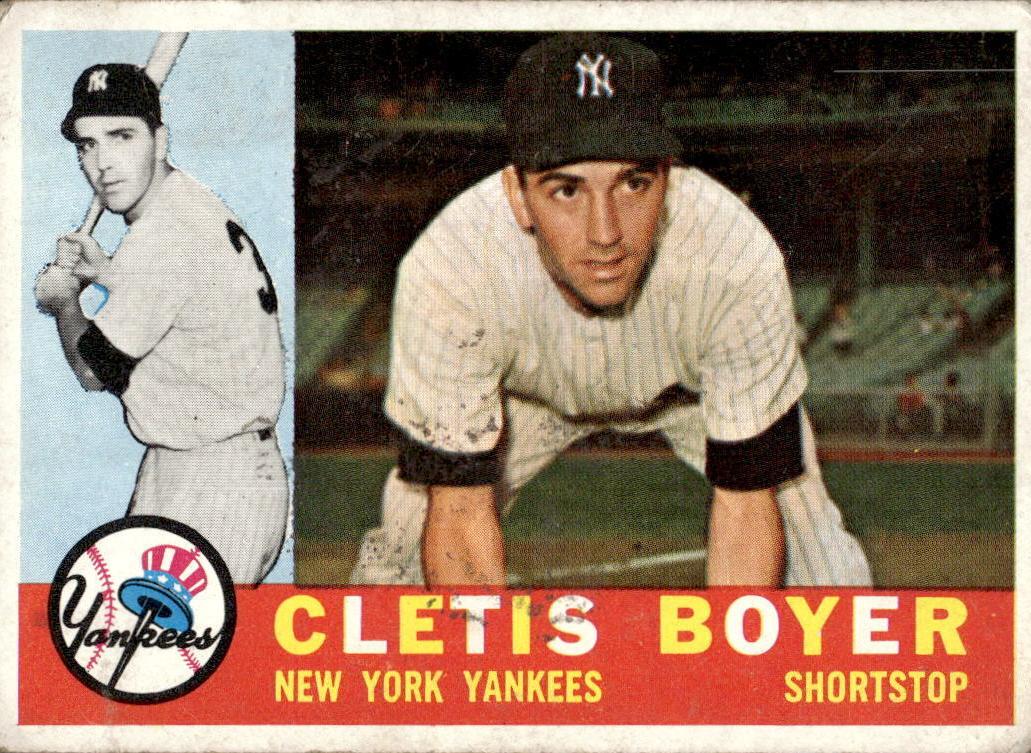
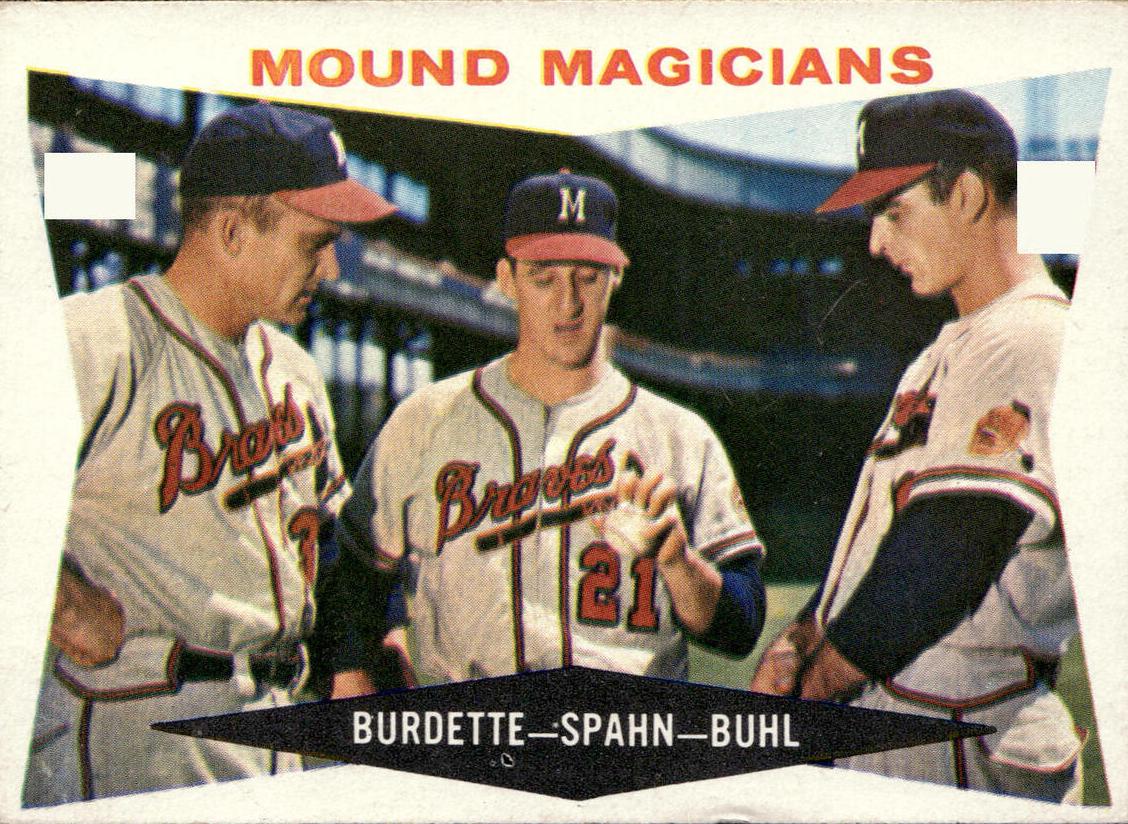
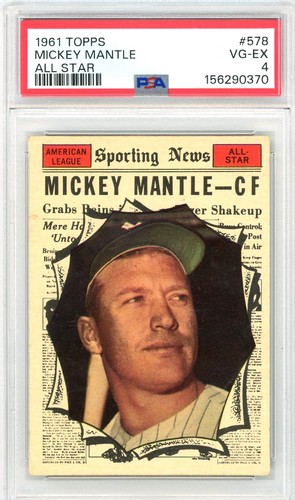
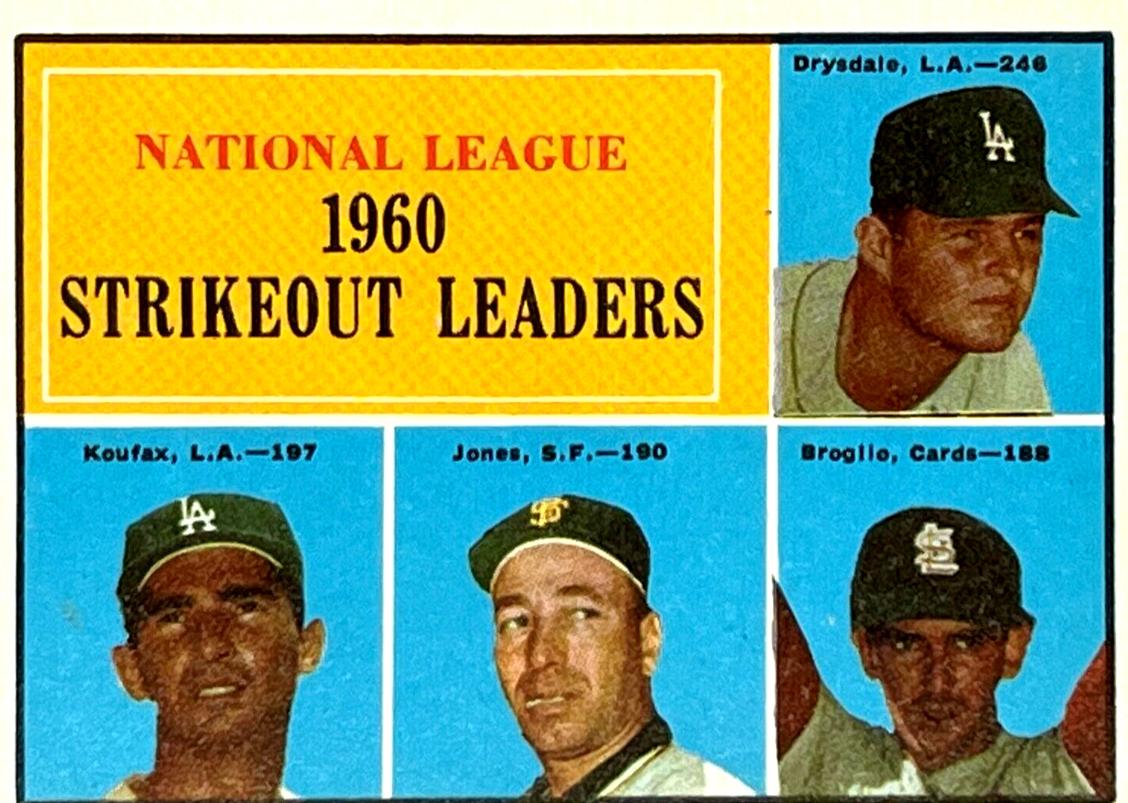
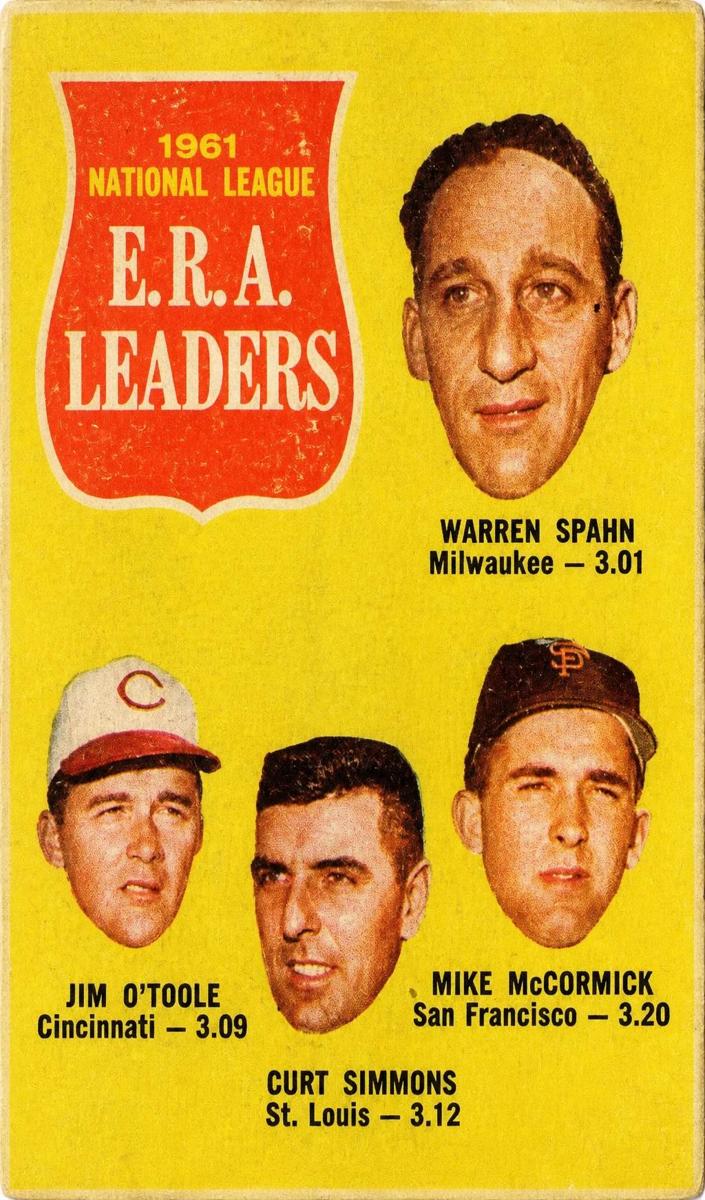

![1961 Phil Rizzuto [MVP] #471](https://storage.googleapis.com/images.pricecharting.com/wt2lbn3mzk7wqdyg/1600.jpg)
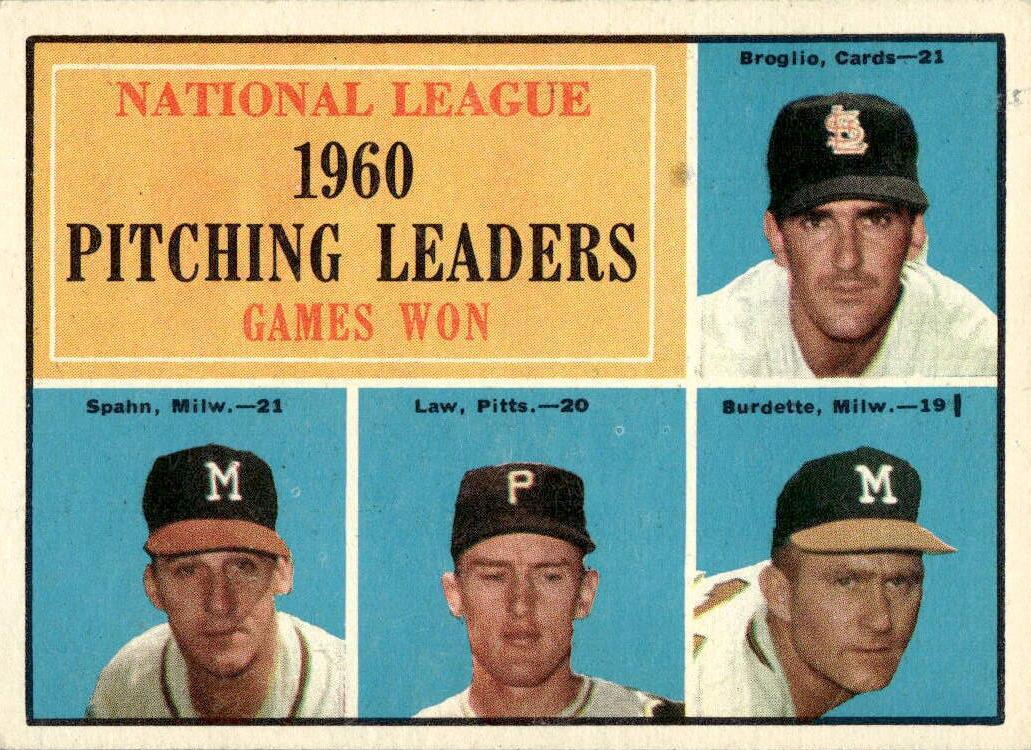


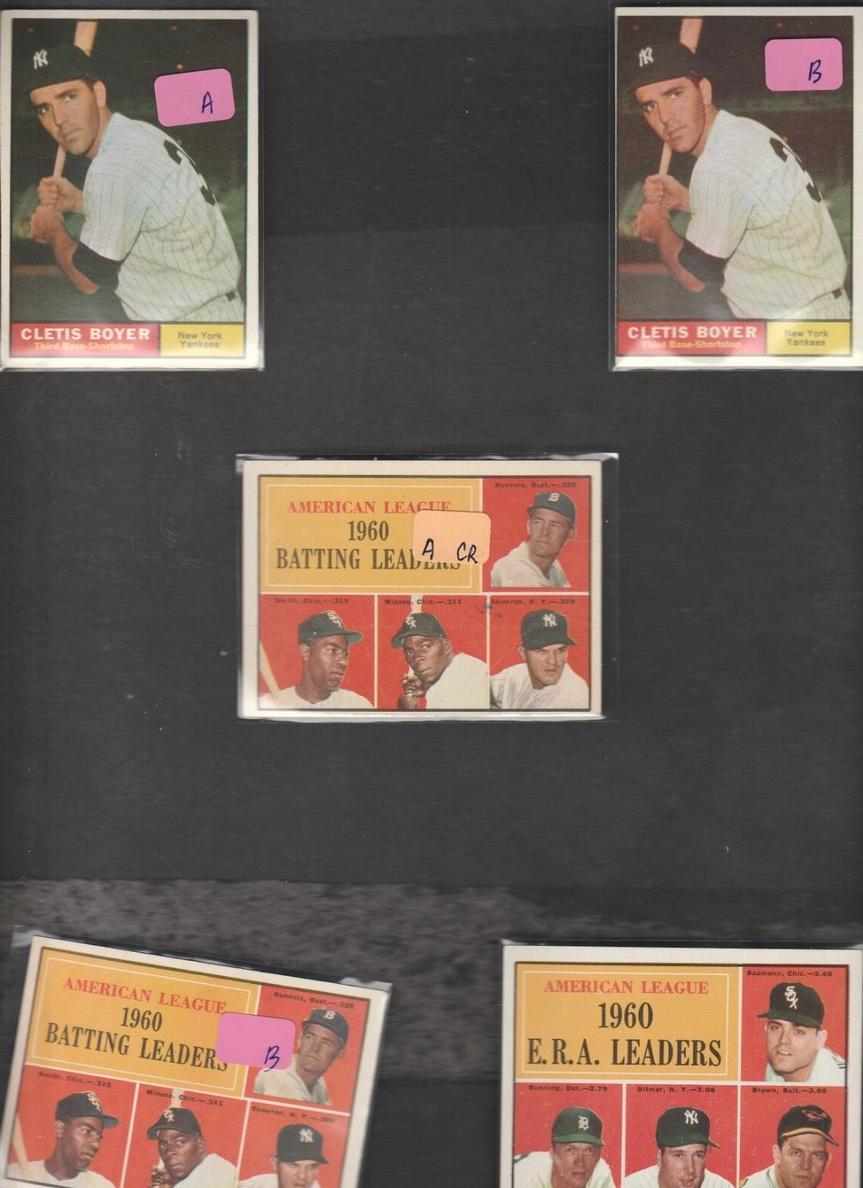













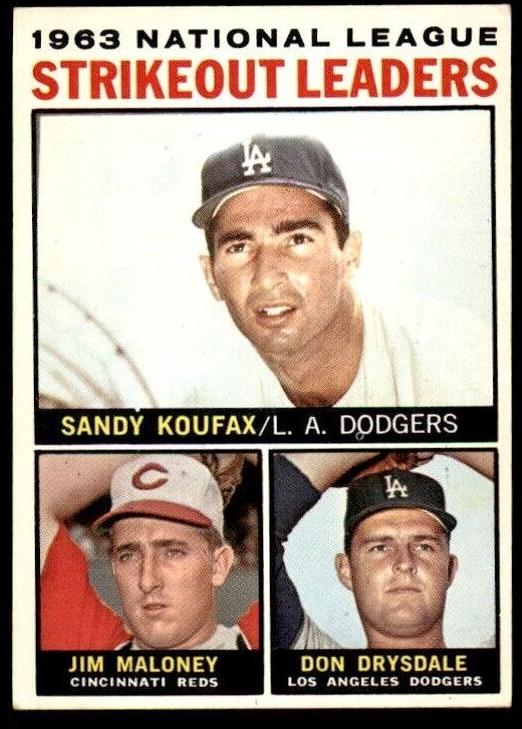

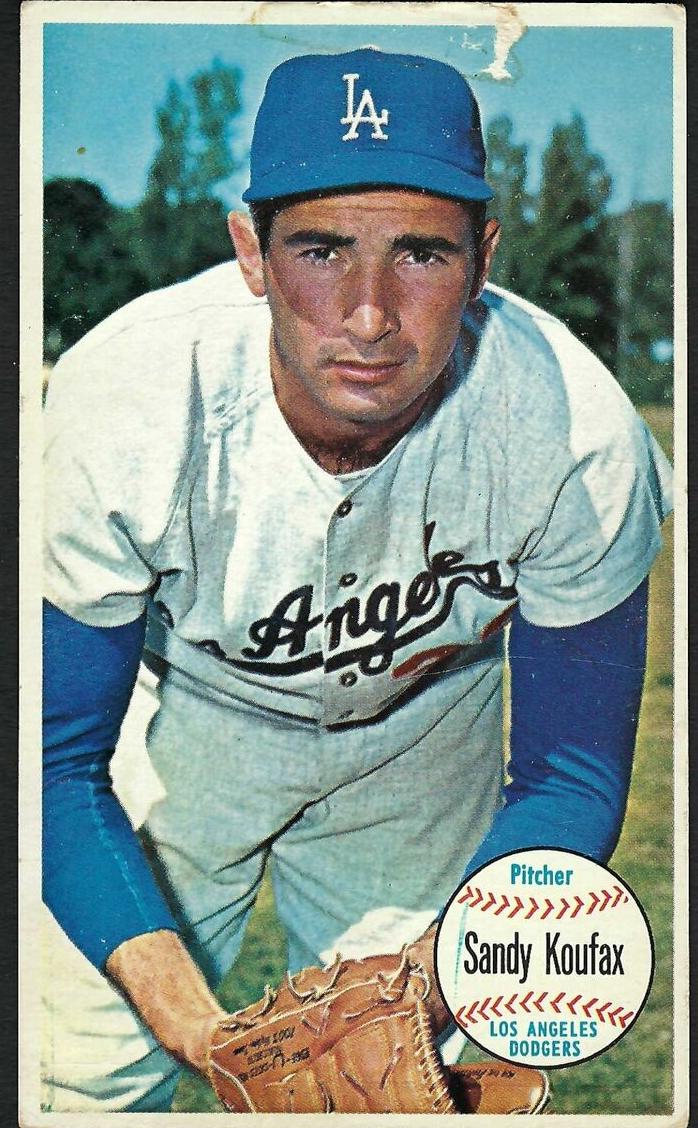
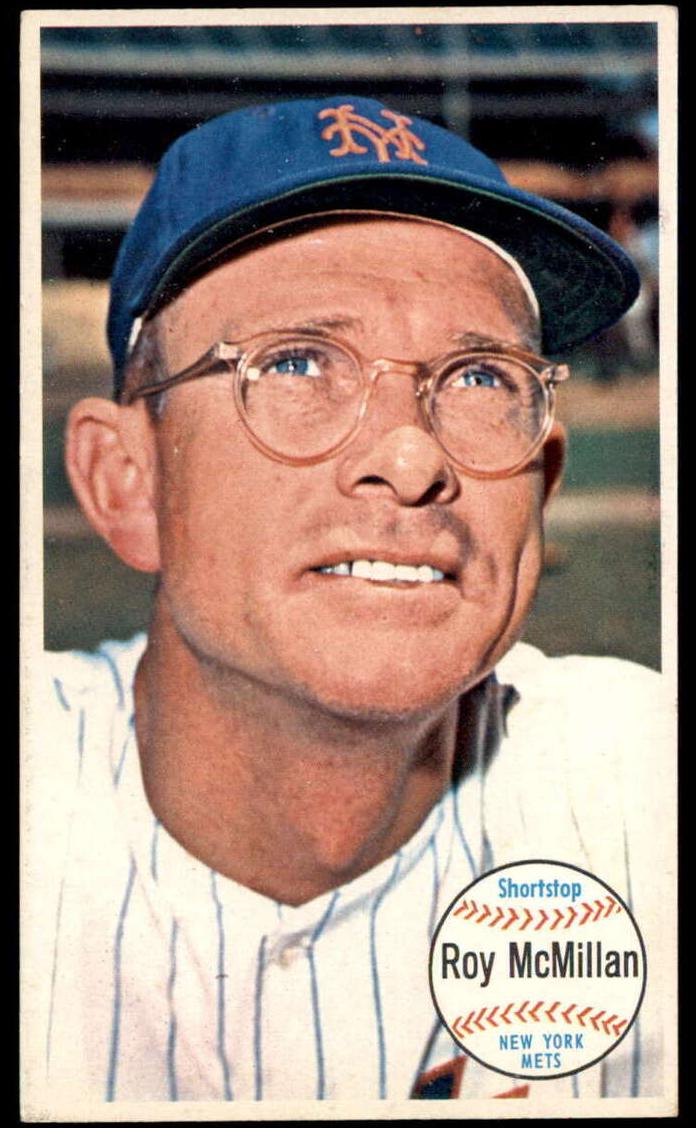

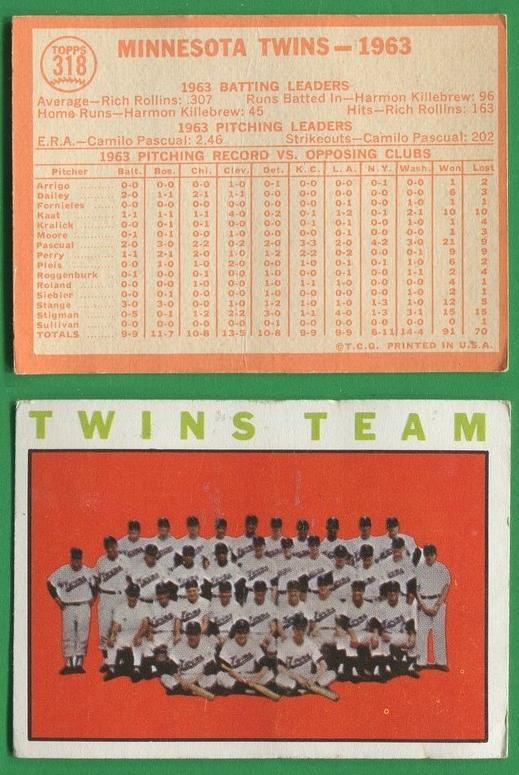


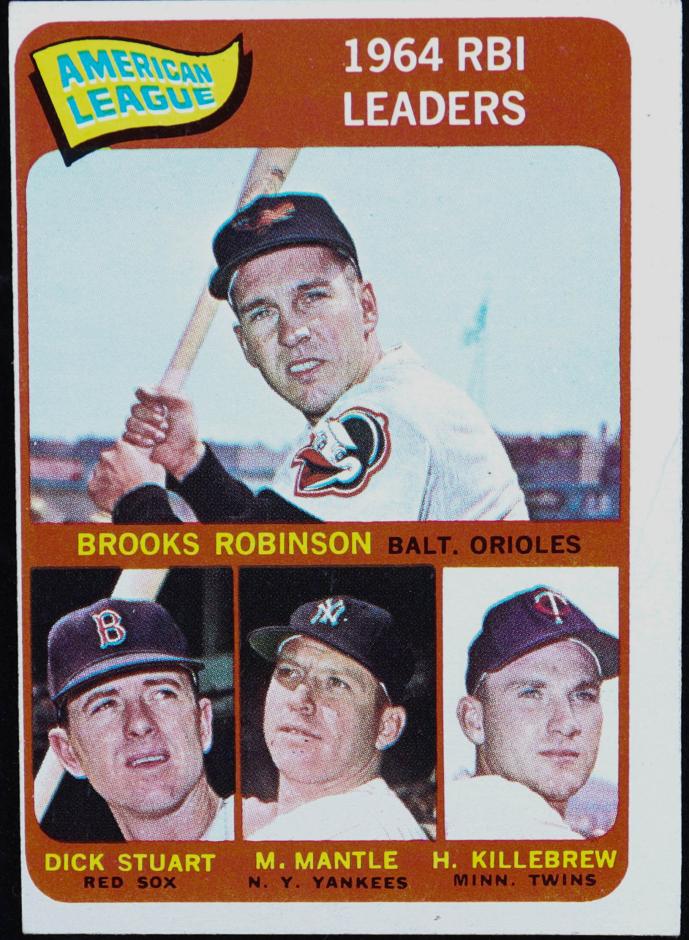
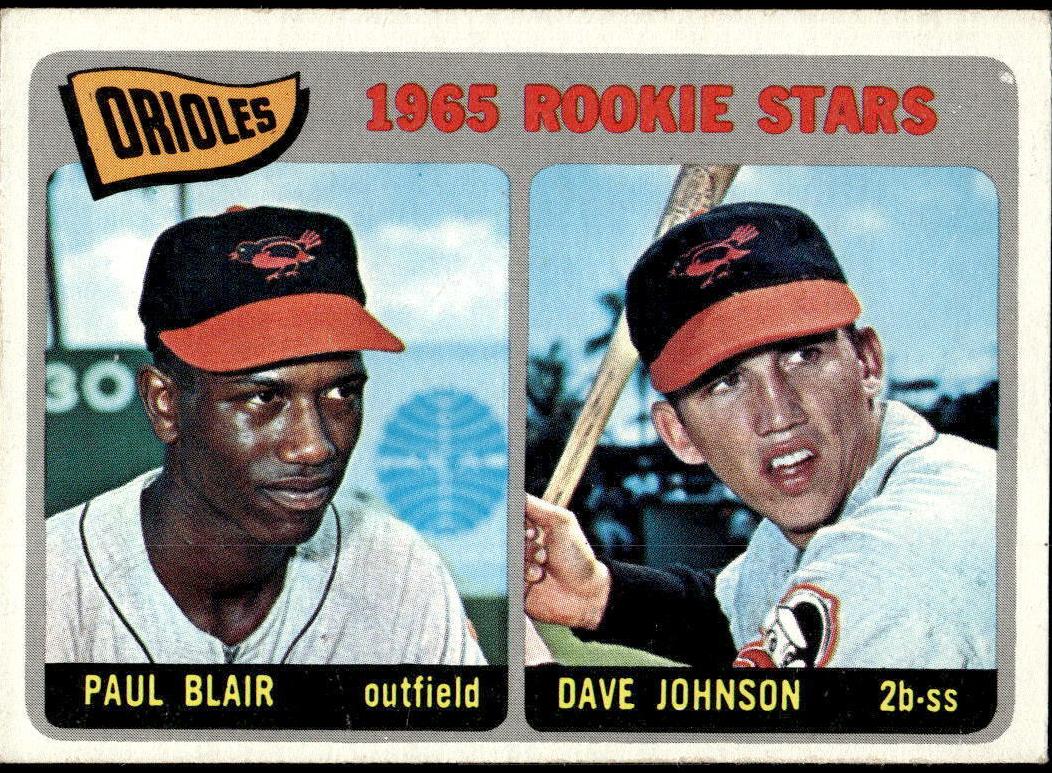
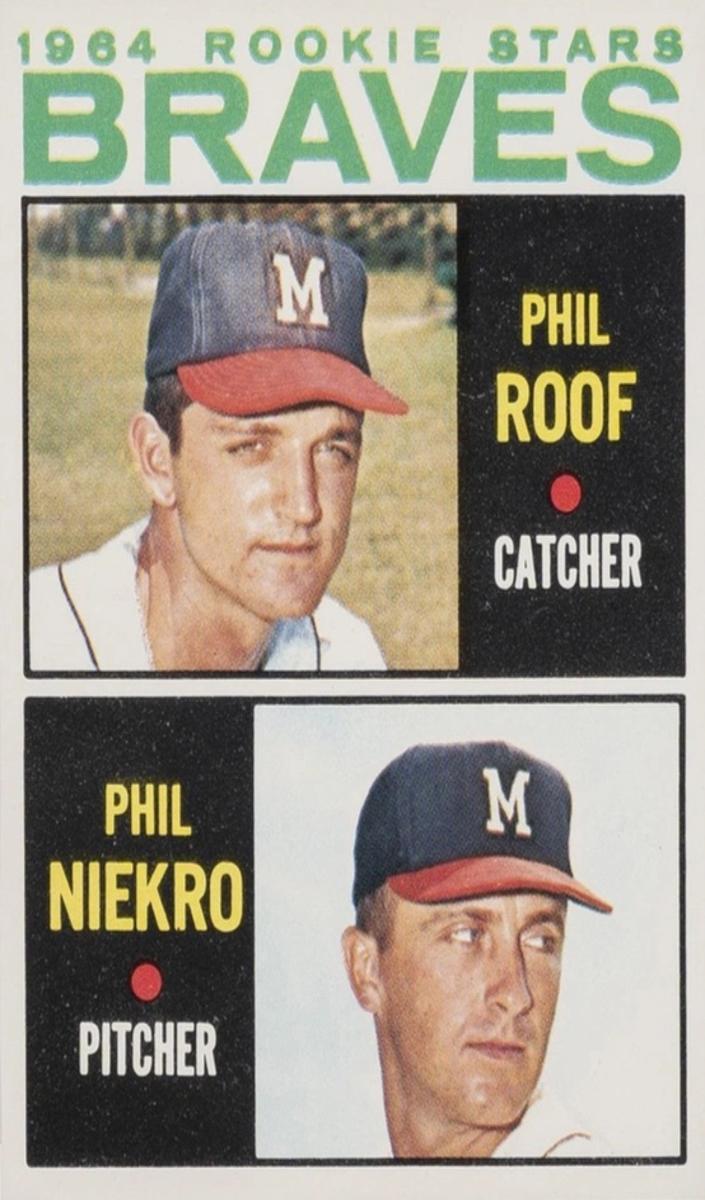

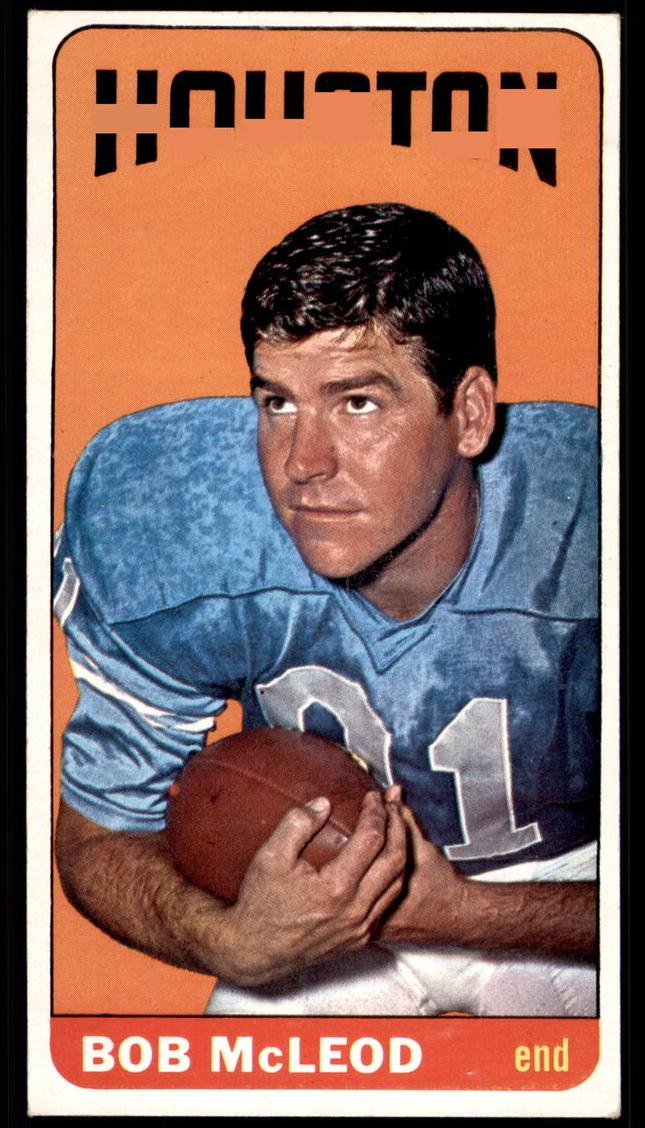


![1967 Tom Seaver [Rookie Stars] #581](https://storage.googleapis.com/images.pricecharting.com/mly72sqzx4kasrxt/1600.jpg)